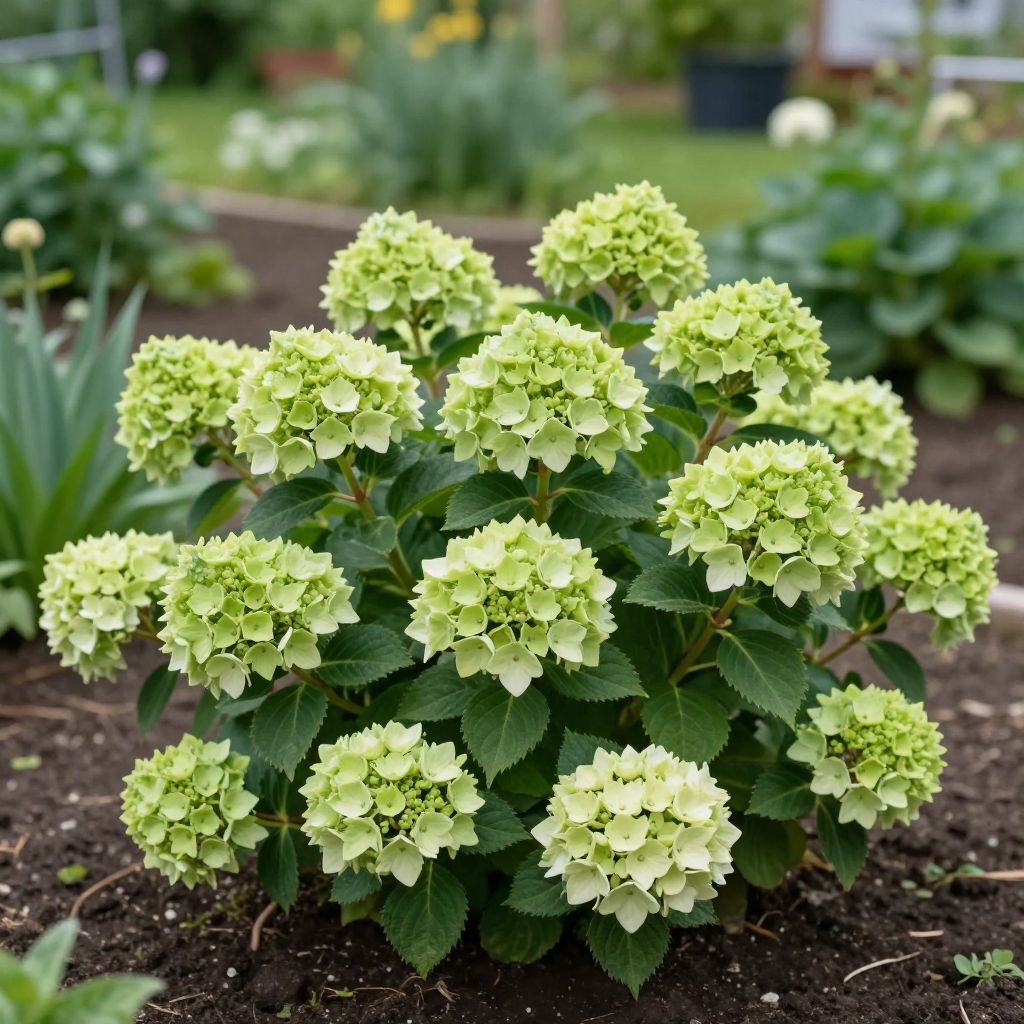
Are there green flowers? Yes—green flowers are real, and many garden plants produce blooms in shades of lime, chartreuse, apple green, or soft green-white. Some are naturally green, while others appear green because their petals are sepals or bracts rather than true petals.
Green flowers can be striking in borders, containers, and cut arrangements because they blend easily with foliage and make brighter colors stand out. If you want to grow them well, the key is choosing the right plant and giving it the light, soil, and moisture it prefers.
Are there green flowers?
Yes, there are many green-flowering plants, including annuals, perennials, shrubs, and bulbs. In some plants the green part is the true flower; in others, what looks like a flower is actually a bract or modified leaf. Green blooms often last well in the garden and are especially useful for subtle, elegant planting schemes.
What makes a flower look green?
Green flowers usually get their color from chlorophyll, the same pigment that makes leaves green. In some species, the petals stay leafy-looking, while in others the showy part is not a petal at all.
Common reasons blooms appear green
- True green petals: Some flowers naturally open green or greenish.
- Bracts instead of petals: Plants like hellebores and hydrangeas may have flower parts that look petal-like but are not true petals.
- Immature flowers: Some blossoms start green and later change color as they mature.
- Environmental stress: Poor light, cold, or nutrient imbalance can sometimes affect flower color, though this is not the same as a naturally green bloom.
Popular green flowers to grow
If you want green flowers in your garden, start with plants known for them rather than hoping another flower will turn green. The best choice depends on your climate, sun exposure, and whether you want annual color, perennial structure, or cut flowers.
Green-flowering favorites
- Hellebores (Helleborus spp.) – Often bloom in late winter or early spring with green, green-white, or flushed flowers.
- Hydrangeas (Hydrangea spp.) – Some varieties open green or age to green tones, especially in certain light and weather conditions.
- Green zinnias – Specialty cut-flower types can produce lime-green blooms, often best in warm, sunny beds.
- Green roses – Some cultivars have unusual green sepals or green-tinted blooms, though many are grown more for novelty than for mass flower production.
- Amaranthus – Many types produce green, tassel-like flower heads that are excellent for fresh or dried arrangements.
- Green chrysanthemums – Reliable for late-season color and cut flowers.
- Green-flowered euphorbias – Often grown for their chartreuse bracts and long-lasting display.
- Green nicotiana and bells of Ireland – Popular for cut gardens and cool-season planting.
How to grow green flowers successfully
Growing green flowers is usually no harder than growing any other flowering plant, but success depends on matching the plant to the right conditions. The biggest mistakes are too much shade for sun lovers, overly wet soil, and pruning at the wrong time.
1. Choose the right site
Read the plant label or variety description carefully. Some green-flowering plants want full sun, while others prefer part shade or even cool, sheltered conditions.
- Full sun: Best for many annuals and cut-flower plants such as zinnias and amaranthus.
- Part shade: Often better for hellebores, some hydrangeas, and woodland plants.
- Cooler exposure: Can help delicate blooms last longer in hot climates.
2. Prepare the soil
Most flowering plants do best in soil that drains well but still holds some moisture. Work in compost before planting to improve structure and help roots establish.
- Heavy clay: Add compost and avoid planting in low spots where water collects.
- Sandy soil: Compost helps retain moisture and nutrients.
- Containers: Use a quality potting mix, not garden soil, so roots have air and drainage.
3. Water with consistency
Green-flowering plants need steady moisture while they are getting established, but soggy soil can cause root problems and weak flowering. Water deeply, then let the top layer of soil dry slightly if the plant prefers moderate moisture.
Avoid wetting the foliage late in the day if disease is common in your area. Drip irrigation or watering at the base of the plant is often the safest approach.
4. Feed lightly and appropriately
Too much nitrogen can produce lush leaves and fewer blooms. Use compost for general soil health, and choose a balanced fertilizer only if your soil is poor or the plant shows signs of nutrient deficiency.
For many flowering plants, the goal is not heavy feeding but steady, moderate fertility. If you are unsure, a soil test is more useful than guessing.
5. Prune at the right time
Pruning can improve flowering, but timing matters. Some plants bloom on old wood, some on new wood, and some need deadheading to keep producing flowers.
- Deadhead annuals like zinnias to encourage more blooms.
- Remove spent stems from perennials if the plant benefits from tidiness or reblooming.
- Avoid hard pruning of shrubs until you know when they set flower buds.
Best growing conditions by plant type
Because “green flowers” includes many different plants, it helps to think by category. That way you can match the plant to your garden instead of forcing one type of flower into the wrong spot.
Annual green flowers
Annuals are a good choice if you want quick color for one season. They usually need more sun, regular watering, and deadheading to keep blooming.
- Plant after frost danger has passed in your area.
- Space plants for airflow to reduce mildew and leaf spot.
- Use mulch to help the soil stay evenly moist.
Perennial green flowers
Perennials often take longer to establish, but they return year after year. Many green-flowering perennials prefer well-drained soil and benefit from a spring cleanup rather than heavy summer disturbance.
- Divide crowded clumps only when the plant is actively growing or at the appropriate season for that species.
- Leave enough foliage to support next year’s blooms.
- Mulch lightly to conserve moisture without burying crowns.
Shrubs and climbers
Some shrubs produce greenish blooms that are subtle rather than showy. These plants often need more patience, but they can provide structure and seasonal interest for years.
- Plant in a location with enough room to mature.
- Prune only according to the plant’s flowering habit.
- Protect young plants from drought stress during establishment.
Common problems with green flowers
When green flowers fail to look good, the issue is often not the color itself but the growing conditions. Weak light, poor drainage, and incorrect pruning are common causes of poor bloom quality.
Flowers are green but small or sparse
This often points to too little light, overcrowding, or excess nitrogen. Move sun-loving plants to a brighter position and avoid overfeeding with high-nitrogen fertilizer.
Blooms turn brown quickly
Heat, drought, and age can shorten bloom life. Mulch the soil, water deeply during dry spells, and choose a slightly cooler site in hot climates if possible.
Leaves are healthy but flowers are weak
Plants may be putting energy into foliage instead of flowers. Check light levels, prune at the right time, and avoid overwatering or overfertilizing.
Mildew, rot, or spotting appears
These problems are more likely in damp, crowded conditions. Improve spacing, water at the base, remove affected debris, and avoid letting foliage stay wet overnight.
Using green flowers in the landscape
Green flowers are especially useful when you want a calm, sophisticated look or need a plant that pairs well with many colors. They work beautifully in white gardens, shade borders, cottage plantings, and mixed containers.
Design tips
- Pair green blooms with silver foliage, white flowers, or deep purple plants for contrast.
- Use them as a bridge between bold colors so the planting does not look too busy.
- Place them near paths or seating areas where subtle details can be appreciated up close.
- Mix different bloom shapes, such as spires, tassels, and rounded clusters, for texture.
Growing green flowers in pots
Container growing is a smart option if your soil is poor or you want to move plants for better light. Pots also make it easier to feature unusual green blooms where they can be seen clearly.
- Choose a pot with drainage holes.
- Use a free-draining potting mix.
- Water more often than in garden beds, but never leave the pot standing in water.
- Rotate pots if one side gets more sun than the other.
In hot weather, containers dry out faster than beds, so check moisture regularly rather than relying on a fixed schedule. In cooler weather, reduce watering and watch for slow drainage.
Propagation and maintenance basics
If you want more green flowers, propagation depends on the plant. Some are easy from seed, while others are better divided, cut, or purchased as young plants.
Simple propagation options
- Seed: Good for many annuals and some specialty flowers.
- Division: Useful for clumping perennials when they become crowded.
- Cuttings: Helpful for some shrubs and tender plants, depending on the species.
Keep new plants evenly moist until roots are established, and protect them from harsh afternoon sun if they are newly transplanted or in a hot climate.
Final tips for success
Yes, there are green flowers, and they can be some of the most elegant plants in the garden. The best results come from choosing a plant that naturally produces green blooms and then giving it the right light, soil, drainage, and seasonal care.
If you want to start today, pick one green-flowering plant suited to your climate, check its sun needs, and improve the soil before planting. For more related garden planning ideas, you may also want to read about choosing flowering plants for shade or how to improve garden soil with compost.