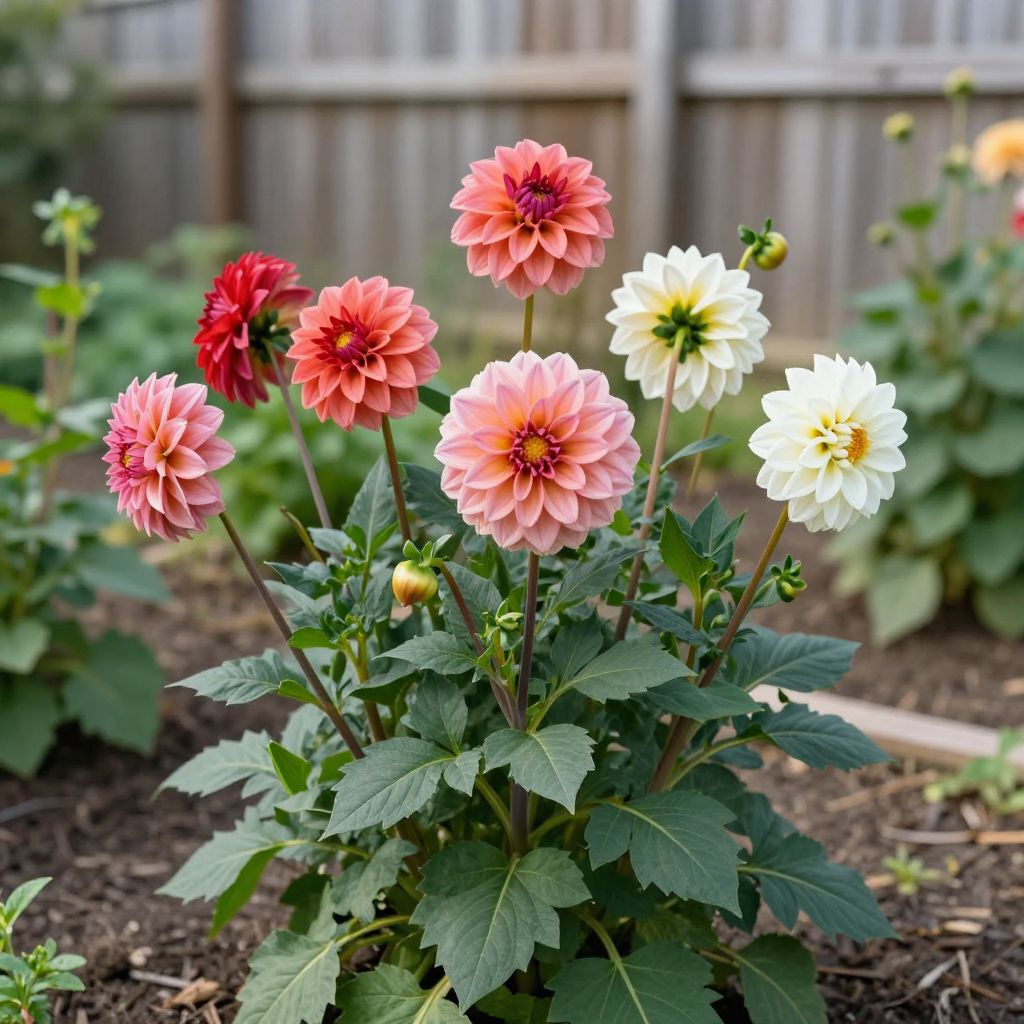
When are dahlias in season? For most gardeners, dahlias bloom from midsummer until the first frost, with the best display usually from late summer into early autumn. The exact season depends on your climate, planting time, variety, and how well you protect the tubers from cold and rot.
If you want a long, reliable dahlia season, the key is to plant after frost danger has passed, give the plants full sun and rich, free-draining soil, and keep up with deadheading and staking. A little early-season care can make the difference between a few flowers and weeks of continuous bloom.
When are dahlias in season?
Dahlias are typically in season from mid-summer through fall, with peak flowering often in August, September, and October in many temperate gardens. They begin blooming about 8 to 12 weeks after planting, then continue until cold weather stops them. In mild climates, they may flower even longer.
What affects dahlia season length?
The season for dahlias is not fixed by the calendar alone. It changes with your local frost dates, summer heat, soil warmth, and whether you start plants early indoors or plant tubers directly outside.
Climate and frost dates
Dahlias are frost-tender. In cool regions, they may not start blooming until late summer, while in warmer areas they can begin earlier and keep going longer. The first autumn frost usually ends the outdoor season quickly, blackening the foliage and flowers.
Planting time
Plant tubers only when the soil has warmed and the danger of frost has passed. If you plant too early into cold, wet soil, tubers can rot before they sprout. If you plant late, flowering will be pushed back.
Variety and plant size
Different dahlia types bloom at slightly different times. Smaller, quicker-growing plants may flower earlier, while larger decorative or dinner-plate types often need more time before they reach peak bloom.
How to time dahlias for the best bloom season
If you want the longest possible season, start with healthy tubers or young plants and time planting to your local weather. Dahlias reward patience, but they do best when they are not rushed into cold soil.
- Wait until after the last frost and the soil is workable.
- Choose a sunny site with at least 6 to 8 hours of direct sun.
- Plant in loose, fertile, well-drained soil.
- Water lightly at first, then more deeply once growth begins.
- Stake tall varieties early so stems do not break later.
- Deadhead spent flowers to encourage more buds.
Starting indoors or in pots
In short-season climates, you can get an earlier bloom by starting tubers in pots indoors or in a protected space before transplanting them out. This gives them a head start, but they still need warmth and bright light to grow well.
When moving potted dahlias outside, harden them off gradually over 7 to 10 days so the leaves do not scorch or wilt in sudden sun and wind.
Growing conditions that extend dahlia season
Dahlias flower longer and more heavily when they grow in the right conditions. Healthy plants produce more buds, recover faster from cutting, and handle summer stress better.
Sunlight
Give dahlias full sun for strong stems and abundant blooms. In very hot climates, light afternoon shade can help prevent stress, especially where summers are intense and dry.
Soil and drainage
Dahlias prefer fertile soil that drains well but still holds some moisture. Heavy clay that stays wet can cause tuber rot, while very sandy soil may dry too quickly and reduce flowering.
Before planting, work in compost to improve structure and fertility. If your soil is dense, raised beds or mounded planting areas can help prevent waterlogging.
Watering
Keep soil evenly moist once plants are actively growing, but avoid soggy conditions. Water deeply at the base rather than sprinkling the foliage, which helps reduce disease problems.
Newly planted tubers need less water than established plants. Too much water before growth appears is a common mistake and can lead to rot.
How to keep dahlias blooming longer
The flowering season can be extended with a few simple maintenance tasks. Dahlias are generous bloomers, but they perform best when you stay on top of basic care.
- Deadhead regularly by removing faded flowers down to a strong side shoot or leaf node.
- Cut flowers often for arrangements; this also encourages more branching and more buds.
- Pinch young plants once they are 12 to 16 inches tall if you want bushier growth and more stems.
- Use stakes, cages, or netting for taller varieties to prevent wind damage.
- Mulch lightly after the soil warms to help conserve moisture and suppress weeds.
Feeding dahlias
Dahlias benefit from fertile soil, but too much nitrogen can produce lots of leaves and fewer flowers. Use compost at planting time and, if needed, a balanced feed later in the season according to the product label and your soil’s needs.
If plants are lush but not blooming, the problem is often excess nitrogen, too little sun, or inconsistent watering rather than a lack of fertilizer alone.
Common problems that shorten the season
Several issues can reduce flowering or end the season early. Catching them quickly helps you keep plants productive for as long as possible.
Slugs and snails
These pests can chew young shoots and leaves, especially in damp gardens. Check plants at dusk or early morning, use physical barriers if needed, and keep the area around plants tidy.
Aphids and spider mites
Aphids often cluster on soft new growth, while spider mites are more common in hot, dry weather. A strong jet of water can knock aphids off, and improving airflow and avoiding drought stress can help reduce mite pressure.
Powdery mildew and rot
Powdery mildew may appear as a white coating on leaves late in the season, especially when days are warm and nights are cool. Good spacing, watering at soil level, and removing badly affected leaves can help.
Tuber rot is usually linked to poor drainage or overwatering. If stems collapse and tubers feel soft or smell bad, the plant may not recover.
Frost damage
The first hard frost ends the above-ground season. Flowers and leaves blacken quickly, but the tubers can often be saved if you lift and store them properly in cold-winter regions.
What to do at the end of the dahlia season
As temperatures fall, decide whether you will overwinter tubers or leave them in the ground, depending on your climate. In frost-prone areas, tubers are usually lifted after the foliage is damaged by frost and before the soil becomes very cold and wet.
- Cut stems back after frost blackens the top growth.
- Lift tubers carefully if your winters are too cold or wet for them to survive in the ground.
- Let them dry briefly in a sheltered place.
- Store them in a cool, frost-free location with some air circulation.
In milder regions, some gardeners leave tubers in the ground with a thick mulch, but success depends on winter wetness and soil drainage. If your soil stays soggy, lifting is usually safer.
Can you buy dahlias in season?
Yes. Garden centers and flower markets usually carry dahlias or dahlia tubers during spring and summer, while cut dahlias are most available when plants are in full bloom from late summer into fall. If you want the widest choice of colors and forms, shop earlier for tubers and later for cut flowers.
Quick seasonal guide for gardeners
- Spring: Plant tubers after frost danger passes and soil is warming.
- Early summer: Plants establish roots and foliage before heavy flowering starts.
- Midsummer to fall: Main bloom season, with peak flowers in many gardens.
- After first frost: Lift, store, or protect tubers depending on your climate.
Conclusion
So, when are dahlias in season? In most gardens, they shine from midsummer until the first frost, with the richest display in late summer and early autumn. For the longest bloom period, plant after frost, give them full sun and well-drained soil, and keep deadheading through the season.
If you want to plan your planting calendar more carefully, it can also help to read about how to grow dahlias in pots and how to store dahlia tubers over winter.