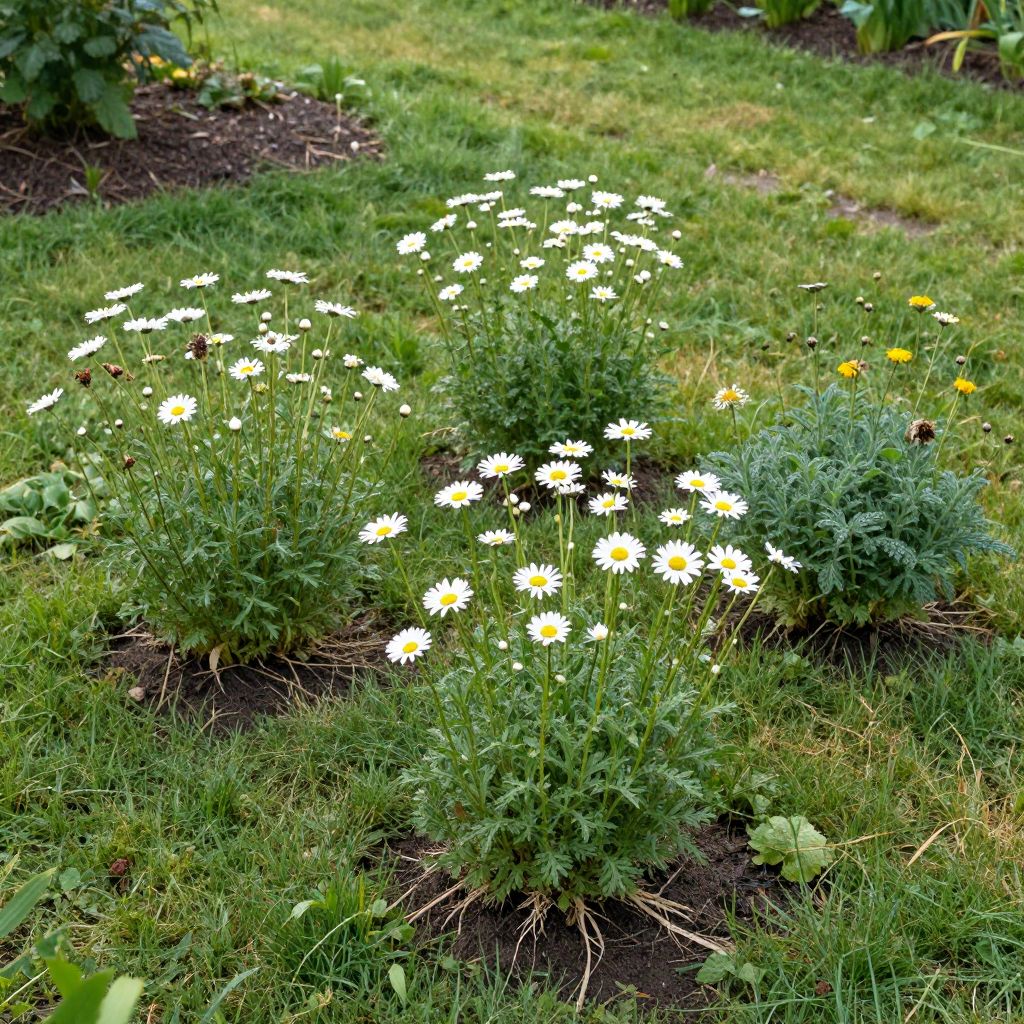
Are wildflowers perennials? The short answer is: some are, but many are annuals or biennials, and plenty of wildflower mixes contain a blend of all three. If you want a patch that returns year after year, you need to know which species you’re growing and how your site supports them.
That matters because wildflowers succeed best when matched to the right soil, sunlight, and moisture. A “wildflower meadow” can look self-sustaining, but in most gardens it still needs smart establishment and light maintenance to keep the balance in your favor.
Are wildflowers perennials?
Yes, some wildflowers are perennials, meaning they live for multiple years and regrow from the same root system each season. Others are annuals, which complete their life cycle in one year, or biennials, which usually flower in their second year. A mixed planting often gives the longest bloom season and the most reliable reseeding.
Understanding the three wildflower life cycles
Perennials
Perennial wildflowers come back from established roots, crowns, or rhizomes. They may die back above ground in winter, then re-emerge when temperatures warm.
Common perennial wildflowers include coneflower (Echinacea), black-eyed Susan (Rudbeckia), purple coneflower, bee balm (Monarda), and many native asters and goldenrods.
Annuals
Annual wildflowers germinate, bloom, set seed, and die within one growing season. They are useful when you want quick color and easy reseeding.
Examples often include California poppy in some climates, cornflower (Centaurea cyanus), and annual coreopsis types. In the right conditions, some annuals self-sow so readily that they seem perennial.
Biennials
Biennials usually spend the first year building leaves and roots, then flower in the second year before dying. They can be easy to overlook because the first season may look like simple foliage growth.
Foxglove (Digitalis) and sweet William (Dianthus barbatus) are familiar examples. In a garden, biennials often bridge the gap between annual color and perennial structure.
How to tell if your wildflowers will come back
Check the seed packet, plant label, or native plant list for the exact species. “Wildflower mix” is not a plant name, and the return habit depends on what is actually inside the blend.
- Perennial means the plant should return for several years if conditions suit it.
- Annual means it must reseed to return.
- Biennial means you may not see flowers until the second season.
Also look at whether the wildflowers are native to your region. Native perennials often persist better because they are adapted to local rainfall, temperature swings, and soil conditions.
What wildflowers need to behave like perennials
Even perennial wildflowers only return reliably when their growing conditions are right. Poor drainage, heavy fertility, dense shade, or overwatering can shorten their lifespan or make them flop and fade.
Sunlight
Most meadow and prairie-type wildflowers need full sun, which means at least 6 hours of direct sunlight daily. Some woodland species tolerate partial shade, but many popular wildflowers bloom best in bright light.
Soil
Wildflowers often prefer average to lean soil rather than rich, heavily amended beds. Too much compost or fertilizer can push leafy growth at the expense of flowers, especially in native perennial species adapted to lower fertility.
If your soil is very poor, sandy, or compacted, a modest amount of compost can help seedlings establish. Use enough to improve structure, not so much that you create a rich garden bed that favors weeds and weak stems.
Drainage
Good drainage is essential for many perennial wildflowers. Roots that sit in wet soil are more likely to rot, especially in winter or in heavy clay gardens.
If water puddles after rain, consider raised beds, slope planting, or choosing species that naturally tolerate moisture. Improving drainage is often more effective than trying to “feed” a struggling wildflower patch.
Watering
Newly sown wildflowers need consistent moisture to germinate, but established perennials usually prefer deeper, less frequent watering. Let the top layer of soil dry slightly between waterings unless your chosen species naturally grows in moist ground.
Overwatering is a common mistake. It can encourage weak roots, fungal disease, and excessive foliage, especially in mixed plantings where some species need drier conditions than others.
Planting wildflowers for long-term return
Choose the right mix
If your goal is a patch that comes back, select a mix that includes perennial species rather than only annuals. A good blend often combines:
- Long-lived perennials for structure
- Annuals for first-year color
- Biennials for second-year blooms
This approach gives you quicker results while the perennials mature. It also helps fill gaps while slower species establish.
Prepare the site carefully
Wildflower seeds compete poorly with established weeds and turf. Clear the area thoroughly before sowing, because weeds can outgrow seedlings and prevent perennial wildflowers from getting established.
- Remove grass and weeds from the planting area.
- Rake the soil surface lightly.
- Break up crusted soil without overworking it.
- Scatter seed evenly according to the packet directions.
- Press seed into the soil for good contact, but do not bury it too deeply unless the species requires it.
Many wildflower seeds need light to germinate, so avoid covering them with a thick layer of soil. A very light dusting of fine soil or compost may be enough for some species, but always follow the seed instructions.
Time your sowing to your climate
Because climates vary, the best sowing time depends on your local weather and the species you choose. In many regions, sowing can happen in fall or spring, but the right window is the one that gives seeds suitable moisture and temperature for germination without extreme heat or frost damage.
For perennial wildflowers, fall sowing can be especially useful in areas with cold winters, because natural cold exposure may help some seeds sprout in spring. In warmer climates, late winter or early spring sowing may be better.
How to care for perennial wildflowers after planting
First-year care
Perennial wildflowers often spend the first year building roots rather than producing a dramatic display. That is normal, and it is one reason gardeners think wildflowers “failed” when they were actually establishing underground.
- Keep the seedbed lightly moist until germination.
- Water young plants during dry spells.
- Remove aggressive weeds before they shade seedlings.
- Avoid heavy feeding, which can encourage weak growth.
Patience matters here. A perennial wildflower patch often looks better in year two than in year one.
Second and later years
Once established, many perennial wildflowers need less frequent watering and little to no fertilizer. Deadheading can extend bloom on some species, but leaving some seedheads in place supports self-sowing and wildlife value.
At the end of the season, you can cut back spent stems if you want a tidier look. However, leaving some stems and seedheads through winter can shelter beneficial insects and provide food for birds.
Common problems that make wildflowers seem non-perennial
They were annuals all along
This is the most common reason. If you planted a mix heavy in annuals, the flowers may disappear after one season unless they reseed naturally.
The soil is too rich
Overly fertile soil can favor fast-growing grasses and weeds over slower perennial wildflowers. It can also cause tall, floppy growth that weakens the planting over time.
They were crowded out
Perennial wildflowers are not always aggressive enough to compete with turf, invasive weeds, or dense groundcovers. If they disappear, competition is often the real cause.
The site stays too wet
Many perennial wildflowers dislike soggy roots. If crowns rot or plants fail after wet winters, drainage is likely part of the problem.
They were cut back too hard at the wrong time
Some perennials need their foliage to recharge roots after blooming. Repeatedly cutting them too low during the growing season can reduce vigor and flowering the next year.
Practical maintenance tips for a lasting wildflower patch
A low-maintenance wildflower area is not the same as a no-maintenance area. A little seasonal attention helps perennials survive and keeps the planting attractive.
- Weed early and often while seedlings are small.
- Thin overcrowded patches if plants are competing for light and airflow.
- Cut back dead growth in late winter or early spring if needed.
- Divide some perennial clumps every few years if they become crowded, depending on species.
- Top-dress only lightly with compost if the soil is extremely poor.
If you want a naturalized look, let some plants reseed themselves. If you want a cleaner border, deadhead before seed dispersal and remove unwanted volunteers.
Best uses for perennial wildflowers in the garden
Perennial wildflowers are useful anywhere you want lasting color with a natural look. They work well in pollinator gardens, meadow-style borders, roadside strips, and mixed native plantings.
They are especially valuable when paired with grasses or other structural plants, because that combination helps support upright growth and creates a more stable planting over time.
When to replace or refresh a wildflower bed
Even a healthy wildflower planting may thin out after a few years. If the area becomes patchy, overrun with weeds, or dominated by a few species, it may need reseeding, division, or a complete reset.
Refresh the bed if:
- Perennials are declining due to shade or poor drainage.
- Annuals have vanished and reseeding is weak.
- Weeds or grasses have taken over.
- The mix no longer matches your site conditions.
Sometimes the best fix is not more fertilizer or more water, but a better plant choice for your soil and light conditions.
Conclusion
Are wildflowers perennials? Some are, and those are the ones that can return for years when you give them the right sun, drainage, and light maintenance. The key is to identify the species in your mix and manage the site so perennial roots can establish and persist.
If you are planning a wildflower bed, start by checking whether your mix contains perennial species, then prepare the site well and keep weeds under control during the first season. For more ideas on creating a balanced planting, you may also find related gardening reading helpful on native plant selection and pollinator-friendly borders.