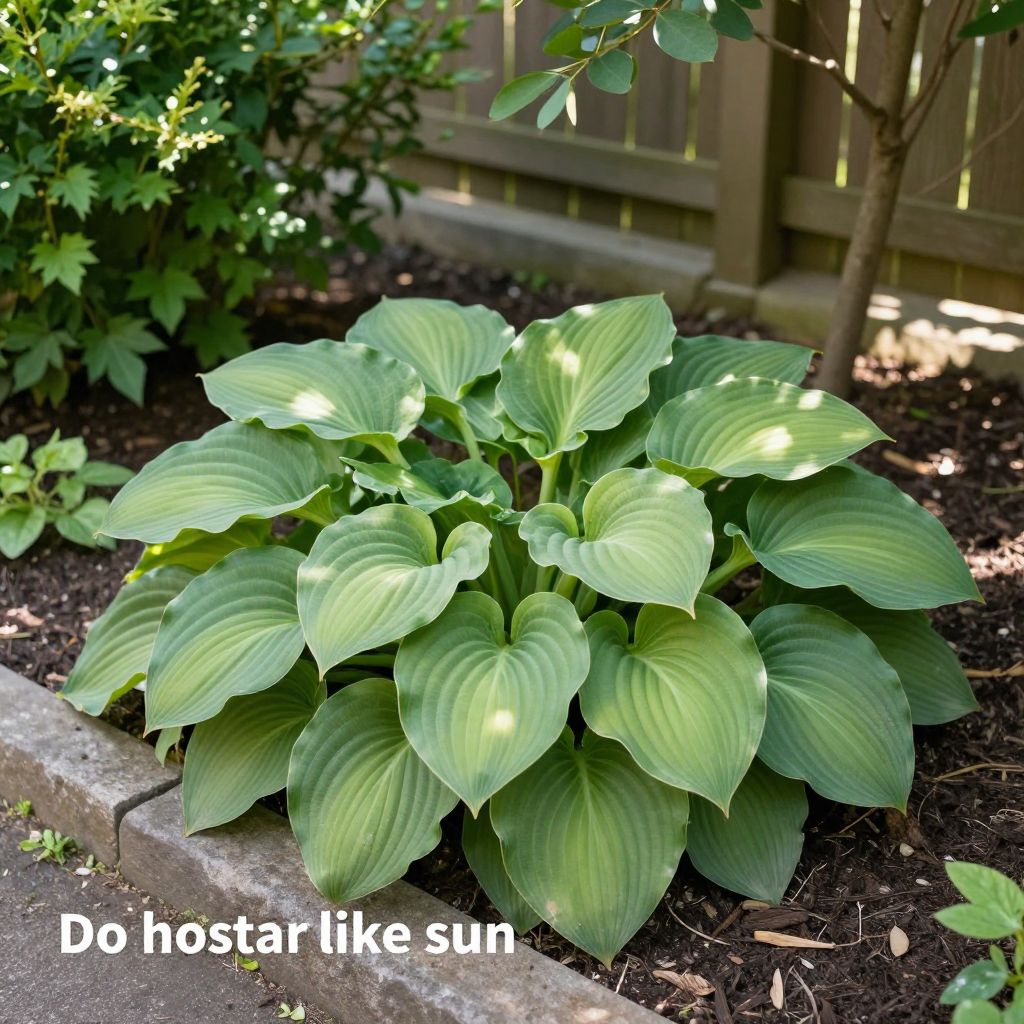
Do hostas like sun? The short answer is yes, but usually only gentle morning sun or dappled light. Most hostas grow best in partial shade, especially in hot climates, where too much direct afternoon sun can scorch leaves and dry the soil too quickly.
If you want fuller plants, better leaf color, and fewer crispy edges, the key is matching the amount of light to your climate, soil moisture, and the specific hosta variety. With the right placement, hostas can handle more sun than many gardeners expect.
Do hostas like sun?
Hostas can tolerate some sun, and many varieties actually need a bit of light to keep good color and growth. The safest rule is morning sun with afternoon shade, or bright filtered light all day. In cooler regions, more sun is often fine; in hot climates, too much direct sun can damage leaves.
How much sun hostas can handle
Hostas are usually sold as shade plants, but “shade” does not mean deep darkness. Most perform best with 2 to 4 hours of direct morning sun or bright, indirect light for much of the day.
What affects sun tolerance
- Climate: Cooler summers allow more sun exposure.
- Soil moisture: Moist, well-drained soil helps hostas tolerate more light.
- Leaf color: Blue hostas often need more shade than gold or yellow types.
- Variety size: Large-leaved hostas may scorch faster in strong sun.
- Tree cover: Light shade from open branches is ideal in many gardens.
Signs your hosta is getting too much sun
- Brown, crispy leaf edges
- Washed-out or faded color
- Leaves curling or drooping by afternoon
- Soil drying out very quickly
- Smaller leaves than usual
Best light conditions for hostas
For most gardens, the best spot is one that gets morning sun and afternoon shade. This gives hostas enough light to grow well without the stress of the hottest part of the day.
Ideal placements in the landscape
- East-facing beds
- North or northeast sides of buildings
- Under open-canopy trees
- Near shrubs that cast light shade
- Along paths where they receive filtered light
If you only have a sunnier site, choose a location where the plant is protected from hot afternoon sun and reflected heat from walls, pavement, or fences. Those surfaces can intensify sun damage.
Which hostas handle more sun?
Not all hostas react the same way. In general, green and gold-leaved hostas tend to tolerate more light than blue-leaved varieties, which often keep their best color in shade or very light sun.
General color guidance
- Blue hostas: Usually prefer more shade to preserve their blue tone.
- Green hostas: Often adapt well to a bit more sun.
- Gold or yellow hostas: Many need some sun to develop strong color, but still need protection from hot afternoon exposure.
- Variegated hostas: Often do best in bright shade; too much sun can bleach or scorch the lighter leaf areas.
Because cultivars vary, watch the plant itself rather than relying only on the label. A hosta that looks healthy and rich in color is in the right spot; one with pale, scorched leaves needs more protection.
How to plant hostas for better sun tolerance
Good planting conditions help hostas cope with more light. Even a sun-tolerant hosta struggles if the soil is dry, compacted, or poorly drained.
Step-by-step planting tips
- Choose a site with morning sun and afternoon shade if possible.
- Work in compost to improve moisture retention and soil structure.
- Make sure the soil drains well, because soggy roots can rot.
- Plant at the same depth the hosta was growing in its pot.
- Water thoroughly after planting to settle the soil around the roots.
- Mulch around the plant, keeping mulch a few inches away from the crown.
Mulch is especially helpful in sunnier locations because it slows moisture loss and keeps roots cooler.
Watering hostas in sunnier spots
Hostas in more sun usually need more consistent moisture than those in shade. The goal is evenly moist soil, not constant saturation.
Practical watering guidance
- Check the soil with your finger before watering.
- Water deeply when the top inch or two begins to dry.
- Water early in the day when possible.
- Avoid frequent shallow watering, which encourages weak roots.
If your hosta wilts in the afternoon but recovers by evening, it may simply be heat-stressed. If it stays limp overnight, it likely needs more water or less sun.
Soil and compost needs
Hostas do best in rich, moisture-holding soil with good drainage. Compost is one of the easiest ways to improve both conditions at once.
What to aim for
- Loose, fertile soil
- Consistent moisture without standing water
- Organic matter mixed into the root zone
- Neutral to slightly acidic conditions in many gardens
Heavy clay soil can be improved with compost and careful watering. Very sandy soil may need extra organic matter and mulch to prevent rapid drying, especially in sunnier areas.
Pruning and maintenance in sunny conditions
Hostas do not need heavy pruning, but regular cleanup helps them stay tidy and healthy. In sunnier sites, damaged leaves can appear faster, so light maintenance matters.
What to remove
- Brown or badly scorched leaves
- Yellowing leaves near the base
- Spent flower stalks if you prefer a neater look
- Dead foliage in fall or early spring cleanup
Use clean pruners or scissors to cut damaged leaves at the base. This improves appearance and can reduce hiding places for pests.
Common problems when hostas get too much sun
Too much direct sun does not always kill a hosta, but it can reduce vigor and make the plant more vulnerable to other problems. Dry, stressed hostas are more likely to suffer pest damage and leaf decline.
Heat stress
Leaves may wilt in the afternoon, especially during hot spells. If the plant recovers overnight, increase watering and consider temporary shade cloth or moving potted hostas to a cooler spot.
Leaf scorch
Scorch usually shows up as brown edges or patches on the sunniest side of the plant. Once damaged, those leaves will not recover, but new growth can improve if conditions are corrected.
Slugs and snails
Hostas are famous for slug damage, and stressed plants can be more noticeable targets. Keep the area free of debris, water in the morning, and inspect leaves regularly for holes and slime trails.
Fungal issues
Poor airflow, wet foliage, and crowded plantings can encourage disease. Give hostas room to breathe and water at the soil line rather than overhead when possible.
Can hostas grow in full sun?
Some hostas can survive more sun, especially in cooler climates with moist soil, but full sun is rarely ideal for long-term appearance. Even sun-tolerant hostas usually look best with some protection during the hottest part of the day.
If you must grow hostas in a brighter area, choose a variety known for better sun tolerance, keep the soil evenly moist, and watch the leaves closely through the first season. The plant will tell you whether the site is suitable.
Growing hostas in pots with more sun
Potted hostas dry out faster than in-ground plants, so sun exposure is more challenging in containers. A pot on a sunny patio may need more frequent watering and more shade than the same hosta planted in the ground.
Container tips
- Use a large pot with drainage holes.
- Choose a high-quality potting mix that holds moisture but drains well.
- Place containers where they get morning sun only.
- Check moisture often during warm weather.
- Rotate pots if one side gets more intense light.
Simple checklist for healthy hostas
- Give them morning sun, not hot afternoon sun.
- Keep soil evenly moist.
- Improve soil with compost.
- Mulch to conserve water.
- Watch for leaf scorch and adjust placement if needed.
- Choose the right hosta type for your light conditions.
Conclusion
So, do hostas like sun? Yes, but usually only gentle sun and never intense all-day exposure unless the climate is cool and the soil stays consistently moist. Start by giving your hosta morning light, rich soil, and regular watering, then adjust if the leaves begin to scorch.
If you want to keep learning about shade-garden plants and practical care, look for more guidance on planting in partial shade and improving soil with compost for healthier growth.