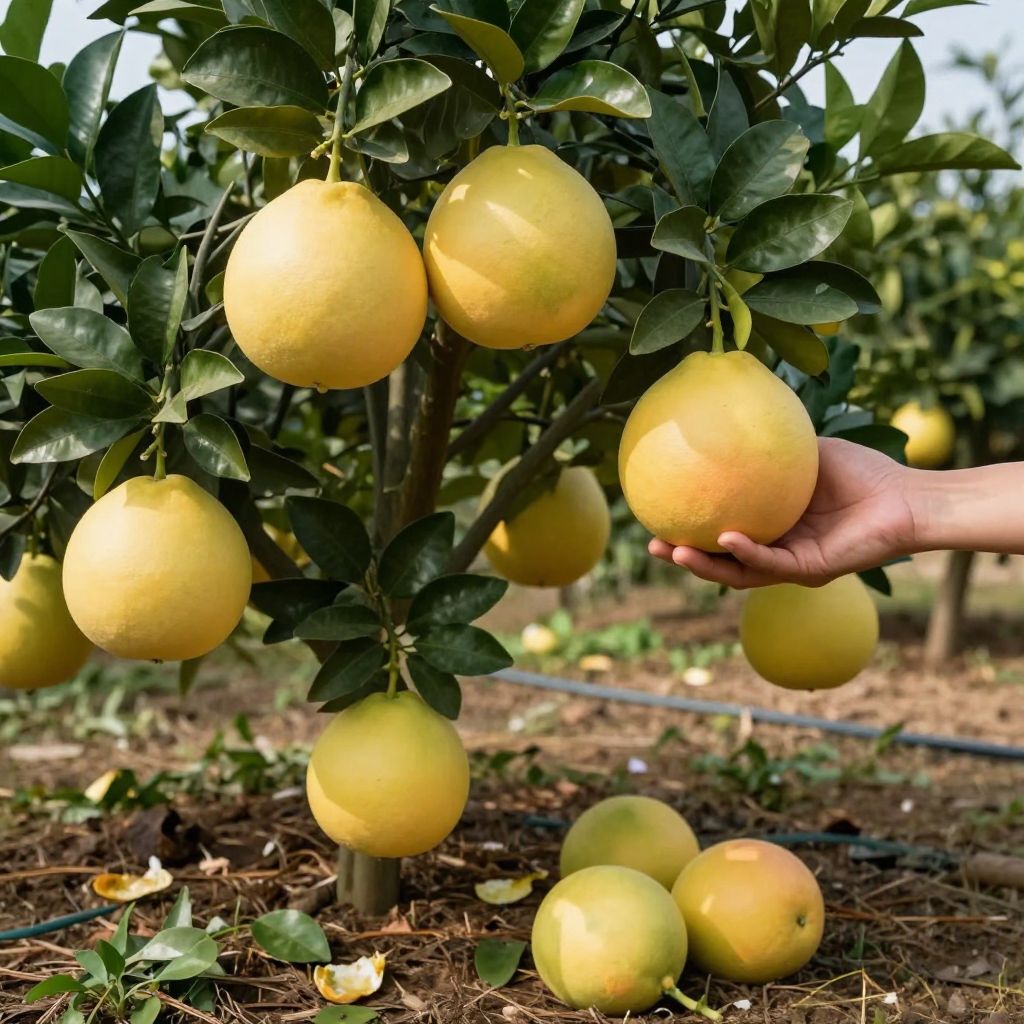
Wondering when is grapefruit season, and how that affects the fruit you buy or grow? Grapefruit timing depends on variety and climate, but in many warm regions the harvest window runs from late fall through spring. The exact season matters because flavor, sweetness, and juice quality can change as fruit hangs on the tree.
If you grow grapefruit at home, seasonal timing also affects planting, watering, feeding, pruning, and harvest decisions. Knowing the rhythm of the tree helps you avoid common mistakes and get better fruit year after year.
When is grapefruit season?
Grapefruit season usually starts in late fall and can last through spring, with peak harvest often in winter. In warm citrus-growing regions, fruit may stay on the tree for months, so the best time to pick depends on color, flavor, and local weather rather than the calendar alone.
What affects grapefruit season?
Grapefruit timing is shaped by climate, variety, and how long the fruit can remain on the tree without quality loss. In frost-free areas, fruit often matures slowly and can be harvested over an extended window. Cooler winters can improve color and sweetness, but hard freezes can damage both fruit and tree.
Climate and region
In subtropical and warm temperate areas, grapefruit generally ripens during the cooler months. In very mild climates, fruit can hang well into spring. In places with colder winters, the growing season is shorter, and trees need protection from frost.
Variety matters
Different grapefruit types ripen at different times. Some mature earlier in the season, while others are later and may hold on the tree longer. If you are planting a tree, check the expected harvest window for the specific cultivar from a reputable nursery or extension source.
Tree age and crop load
Younger trees may produce fewer fruit and can take several years before they settle into a reliable harvest pattern. Heavier crops may also delay maturity slightly, while a light crop can sometimes ripen sooner.
How to tell grapefruit is ready to pick
Color alone is not enough to judge ripeness. Grapefruit can look mature before it tastes fully sweet, and some varieties keep a greenish tint even when ready. Use a combination of size, aroma, taste, and ease of picking to decide when to harvest.
- Fruit size: It should be close to the expected mature size for the variety.
- Skin color: The peel may shift from green to yellow or yellow-pink, depending on type.
- Flavor: Sample one fruit before harvesting the whole tree.
- Ease of picking: Ripe fruit usually twists off with a gentle lift or snip.
- Fragrance: A ripe grapefruit often has a noticeable citrus aroma near the stem.
If you are unsure, pick one fruit and taste it. Grapefruit does not get sweeter after picking, so testing a sample is the safest way to avoid harvesting too early.
Signs you picked too soon
Underripe grapefruit may taste sharply acidic, have less juice, and feel heavy but bland. If the fruit is still too sour, leave the rest on the tree a little longer if frost is not a concern.
Growing grapefruit successfully at home
Grapefruit trees are best suited to frost-free or very mild climates. They need full sun, well-drained soil, and regular care during establishment. If your winters are cold, consider growing in a large container that can be moved to shelter.
Best planting conditions
Choose a site with at least 6 to 8 hours of direct sun daily. Grapefruit prefers soil that drains well and does not stay soggy after rain. Slightly sandy or loamy soil is ideal, but the key is drainage.
- Plant in a spot protected from strong wind.
- Avoid low areas where cold air and frost settle.
- Keep trees away from lawn sprinklers that wet the trunk repeatedly.
Soil and compost
Before planting, loosen the soil in a wide area and mix in compost if your soil is poor or compacted. Use compost to improve structure, not to create a rich planting hole that holds too much water. Citrus roots dislike waterlogged conditions.
Do not bury the trunk flare. Plant at the same depth the tree was growing in its nursery container or slightly higher if your soil drains slowly.
Watering through the seasons
Young grapefruit trees need consistent moisture while they establish, but the soil should dry slightly between waterings. Mature trees are more drought-tolerant, yet fruit quality often improves with steady moisture during flowering and fruit development.
Adjust watering to weather and soil type. Sandy soils dry faster, while clay soils hold moisture longer. In rainy periods, reduce irrigation to prevent root stress and fruit drop.
Feeding and mulch
Use mulch to conserve moisture and moderate soil temperature, but keep it a few inches away from the trunk. A 2 to 4 inch layer of organic mulch is usually enough. Feed according to your soil and tree vigor rather than on a rigid schedule.
If growth is weak or leaves yellow, a soil test can help you determine whether nutrient imbalance, poor drainage, or pH is the real issue. Citrus often struggles when roots cannot access nutrients properly because of wet soil or compacted ground.
Pruning and maintenance during the year
Grapefruit trees usually need light, selective pruning rather than heavy cutting. The goal is to keep the canopy open to sunlight and air while removing dead, damaged, or crossing branches. Heavy pruning can reduce flowering and expose fruit to sunburn.
When to prune
Prune after the main harvest or during a mild period when severe frost is unlikely. Avoid major pruning right before cold weather or during intense summer heat. Small corrective cuts are fine anytime if you are removing broken wood or suckers.
What to remove
- Dead, diseased, or broken branches
- Low branches that touch the soil
- Dense inward-growing shoots
- Suckers from below the graft union
Use clean, sharp pruners and disinfect them if you are cutting diseased wood. Good tools help reduce tearing and make the tree heal faster.
Common pests and diseases to watch for
Healthy grapefruit trees are less likely to have serious problems, but citrus pests and diseases can still affect fruit quality and tree vigor. Catching issues early is easier than fixing advanced damage.
Common pests
- Aphids: Can distort new growth and attract ants.
- Scale insects: Often appear as small bumps on stems and leaves.
- Spider mites: May cause stippling and leaf bronzing in hot, dry weather.
- Leaf miners: Damage young leaves and can stunt new flushes.
Inspect new growth regularly, especially in spring and early summer. A strong spray of water can dislodge some pests, while severe infestations may need targeted treatment based on the pest and your local recommendations.
Common diseases and problems
- Root rot: Often linked to poor drainage or overwatering.
- Fruit drop: Can happen after stress from drought, cold, or nutrient imbalance.
- Sunburn: Usually affects exposed fruit or limbs after heavy pruning.
- Greening and other citrus diseases: Regional issues that require local guidance and prevention.
If your tree shows sudden yellowing, dieback, or unusual fruit decline, check watering first. Many grapefruit problems start with roots that are too wet or too dry.
How to harvest grapefruit without damaging the tree
Harvest grapefruit by cutting or gently twisting the stem rather than yanking the fruit. A clean snip with hand pruners is the safest method, especially if the stem is tough. Avoid pulling hard, which can tear bark and damage nearby fruiting wood.
- Test one fruit for flavor before harvesting the rest.
- Use clean pruners or garden snips.
- Cut the stem close to the fruit without nicking the peel.
- Handle fruit gently to avoid bruising.
- Store harvested fruit in a cool, dry place for short-term keeping.
If fruit is exposed to frost, harvest before a hard freeze. Even if the fruit looks fine, cold damage can affect texture and storage life.
Can you grow grapefruit in a container?
Yes, grapefruit can be grown in a large container if you have bright sun and enough space. Container growing is especially useful in colder climates because you can move the tree to a protected location during winter.
Container basics
- Choose a very large pot with drainage holes.
- Use a well-draining citrus or container mix.
- Place the tree where it gets full sun.
- Water more often than in-ground trees, but never let the pot sit in water.
Container trees dry out faster and may need more frequent monitoring. They also benefit from occasional repotting or root pruning when they become crowded.
Common mistakes to avoid
Many grapefruit problems come from trying to treat the tree like a fast-growing landscape plant. Citrus is productive when it gets steady care and enough light, but it dislikes extremes.
- Planting in heavy, poorly drained soil
- Overwatering during cool weather
- Pruning too hard or too late in the season
- Harvesting based only on peel color
- Ignoring frost protection in marginal climates
- Letting mulch touch the trunk
The most important habit is observation. Check your tree regularly for fruit color, leaf health, soil moisture, and pest activity, and adjust care to your local conditions.
Conclusion
So, when is grapefruit season? In most warm-growing regions, it runs from late fall through spring, with the best fruit often coming in winter. For home growers, the real key is watching your tree closely and harvesting when flavor, aroma, and fruit size tell you it is ready.
If you want to keep learning about citrus care, look for more guidance on how to grow citrus trees in containers and pruning fruit trees for better harvests.