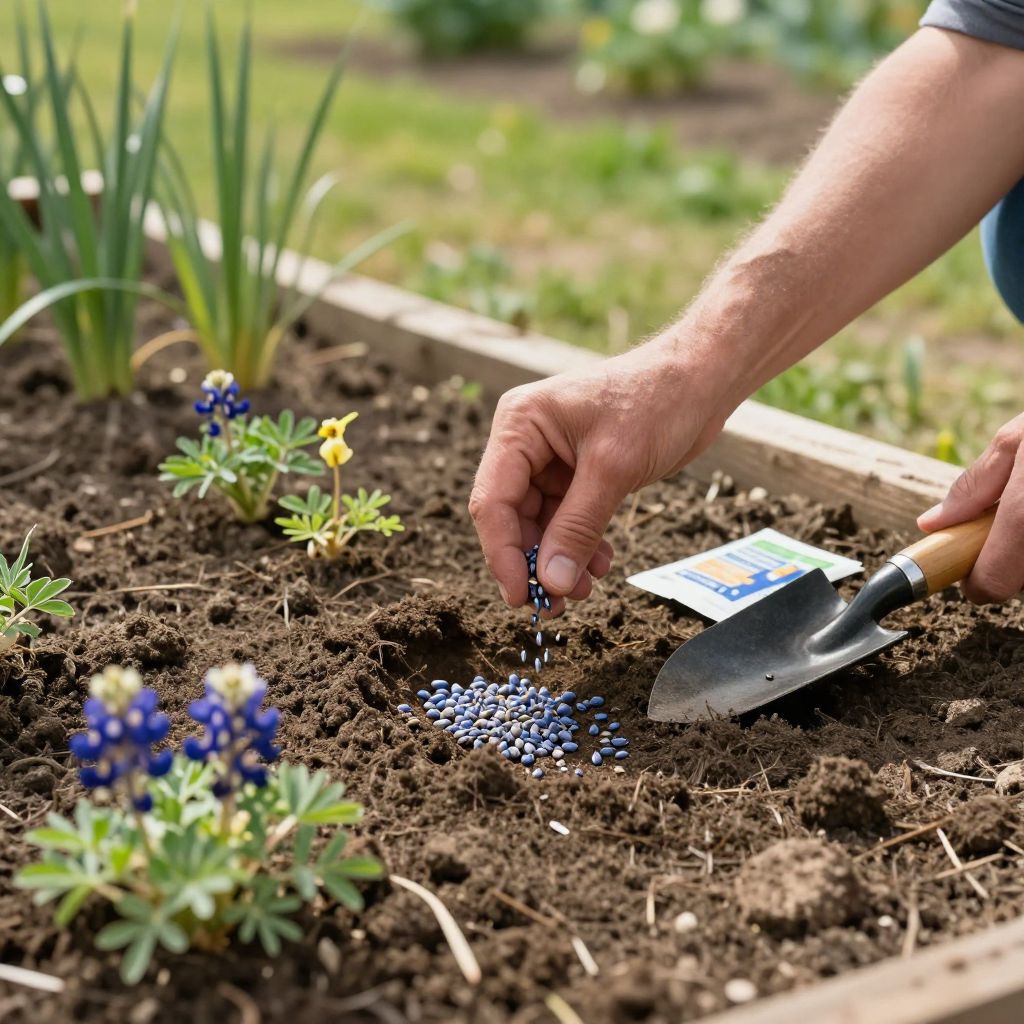
Wondering when to plant bluebonnet seeds so they actually come up and bloom well? Timing matters with bluebonnets because they need cool weather to establish roots before winter and spring flowering.
With the right sowing window, good drainage, and a little patience, you can grow strong bluebonnets from seed in the garden or in a wildflower patch. The key is to match planting time to your local climate and avoid the common mistake of sowing too late or in rich, overly wet soil.
When To Plant Bluebonnet Seeds?
The best time to plant bluebonnet seeds is usually in the fall, after the hottest weather has passed and before the ground gets cold. In many climates, that means sowing outdoors from late summer through early fall so seeds can germinate or sit in the soil and sprout with cool, moist weather.
Why Fall Planting Works Best
Bluebonnets are cool-season wildflowers that need time to develop roots before they bloom in spring. Fall planting gives seedlings a long, mild establishment period, which usually leads to healthier plants and better flowering than spring sowing.
If you plant too late, seedlings may not have enough time to size up before winter. If you plant too early in hot weather, seeds can dry out, rot, or sprout weakly.
General planting window
- Warm climates: early fall is often best, once daytime heat starts easing.
- Milder climates: fall into early winter can still work if the soil remains workable.
- Colder regions: sow in fall if winter is not severe, or follow local guidance for native wildflower timing.
Because local weather varies so much, use soil temperature and seasonal conditions as your guide. Bluebonnet seeds do best when they can settle in during cool, moist weather rather than during summer heat.
How To Plant Bluebonnet Seeds Outdoors
Bluebonnets are easiest to grow directly in the ground. They dislike transplanting, so direct sowing is usually the most reliable method for home gardeners.
- Choose a sunny site. Bluebonnets bloom best in full sun, though light afternoon shade in very hot areas can help.
- Prepare well-drained soil. These wildflowers prefer lean, sandy, or rocky soil and do poorly in soggy beds.
- Loosen the surface lightly. Rake the top inch or two of soil so seeds can make contact without being buried too deeply.
- Scatter or place seeds thinly. Overcrowding leads to weak growth and poor air circulation.
- Cover very lightly. Press seeds into the soil or cover with a thin layer of soil, no more than about 1/4 inch.
- Water gently. Moisten the soil after sowing, then keep it lightly damp until seedlings are established.
Bluebonnet seeds have a hard seed coat, so they can be slow or uneven to germinate. That is normal, and it is one reason many gardeners see better results from fall sowing than from trying to rush the process.
Seed scarification and soaking
Some gardeners lightly nick or scarify bluebonnet seeds before planting to help water enter the seed coat. Others soak seeds briefly before sowing. These methods can help germination, but they are not always necessary if you plant at the right time and keep the soil moist.
If you choose to scarify seeds, be gentle. Damaging the inner seed can reduce germination instead of improving it.
Best Soil Conditions for Bluebonnets
Bluebonnets prefer soil that drains quickly. They are adapted to lean sites and usually perform better in average or poor soil than in rich garden beds loaded with compost.
What they like
- Full sun
- Good drainage
- Neutral to slightly alkaline soil is often favorable
- Low to moderate fertility
What to avoid
- Heavy clay that stays wet
- Overly rich soil with lots of compost or fertilizer
- Low spots where water collects
- Dense mulch that keeps the seedbed too moist
If your soil is heavy, consider planting on a slight slope, raised area, or amended bed that drains faster. A little coarse sand or grit can improve texture in some situations, but avoid making the bed overly fertile.
Watering Bluebonnet Seeds and Seedlings
Watering is important at planting time, but too much moisture can cause problems. The goal is evenly moist soil, not soggy ground.
After sowing, water lightly enough to settle the seed into the soil. During germination, keep the top layer from drying out completely, especially if fall weather is still warm and breezy.
Common watering mistakes
- Overwatering: can rot seeds or encourage weak, leggy seedlings.
- Letting the seedbed dry out completely: can stop germination.
- Using a strong spray: can wash seeds away.
Once seedlings are established, bluebonnets usually need less attention. In many gardens, natural rainfall is enough unless conditions are unusually dry.
Can You Plant Bluebonnet Seeds in Spring?
Spring planting is usually not ideal for bluebonnets, especially in warm climates. Seeds sown in spring often face rising temperatures before they have time to build strong roots, which can lead to poor growth and fewer blooms.
If you missed the fall window, you can still try sowing seeds in a suitable cool season in your area, but be prepared for less reliable results. For many gardeners, waiting until the next fall gives the best chance of success.
How Long Bluebonnets Take To Germinate and Bloom
Bluebonnet germination can be uneven. Some seeds sprout fairly quickly when conditions are right, while others take longer because of the hard seed coat and natural dormancy.
After fall sowing, seedlings typically spend months building roots and leafy growth before blooming in spring. That slow pace is normal and part of what makes bluebonnets such dependable seasonal wildflowers when planted at the right time.
What to expect
- Uneven sprouting is common
- Small seedlings may stay low and compact through winter
- Flowering usually happens in spring, not right after planting
Growing Tips for Healthy Bluebonnets
Once your seeds are in the ground, the best care is simple. Bluebonnets do not need pampering, and too much interference can actually reduce performance.
Give them space and sunlight
Thin or space seedlings so they are not crowded. Good airflow helps reduce disease, and full sun supports sturdier growth and better flowering.
Skip high-nitrogen fertilizer
Bluebonnets generally do not need rich feeding. Too much nitrogen can produce lush leaves but fewer flowers. If your soil is very poor, a light, balanced soil improvement before planting is usually better than heavy feeding afterward.
Mulch carefully
A very light mulch can help hold moisture, but thick mulch may keep the seedbed too wet. If you mulch, keep it thin and avoid burying the seeds too deeply.
Let plants finish their cycle
After flowering, allow some plants to set seed if you want bluebonnets to return naturally. Avoid cutting everything down too early if you are trying to encourage reseeding.
Common Problems and How To Fix Them
Seeds do not sprout
This is often caused by planting too deeply, sowing at the wrong time, dry soil, or poor seed quality. Try sowing again in the proper season, keep the seedbed lightly moist, and make sure the seeds are only lightly covered.
Seedlings flop or rot
Excess moisture and poor drainage are the most common causes. Improve drainage, reduce watering, and avoid planting in low spots where water lingers.
Plants grow leafy but do not bloom well
This can happen when the soil is too rich or the plants are overcrowded. Bluebonnets usually flower best in leaner soil and full sun.
Fungal disease or damping off
Young seedlings can be vulnerable if conditions stay wet and crowded. Sow thinly, water carefully, and avoid planting in heavy, poorly drained soil.
Can You Grow Bluebonnets in Containers?
Bluebonnets are usually better in the ground, but you can try them in large, deep containers if drainage is excellent. Use a gritty, fast-draining mix and place the pot in full sun.
Container-grown bluebonnets need closer attention to watering because pots dry out faster than garden beds. At the same time, they should never sit in water, so drainage holes are essential.
Best Practices for Saving Bluebonnet Seed
If you already grow bluebonnets, you can collect seed from mature pods for future sowing. Let the pods dry on the plant, then harvest them before they split open and scatter seed on their own.
Store seeds in a cool, dry place until fall planting. Good storage helps preserve viability, but fresh seed still tends to perform best.
Final Thoughts
If you want the best results, plant bluebonnet seeds in fall, not spring, and give them sun, drainage, and a light touch. Start with a well-prepared site, sow shallowly, and keep the seedbed evenly moist until seedlings are established.
For more help with native wildflowers and seasonal planting, you may also want to read related gardening guides on growing wildflowers from seed and choosing the best sunny spot for flowering plants.