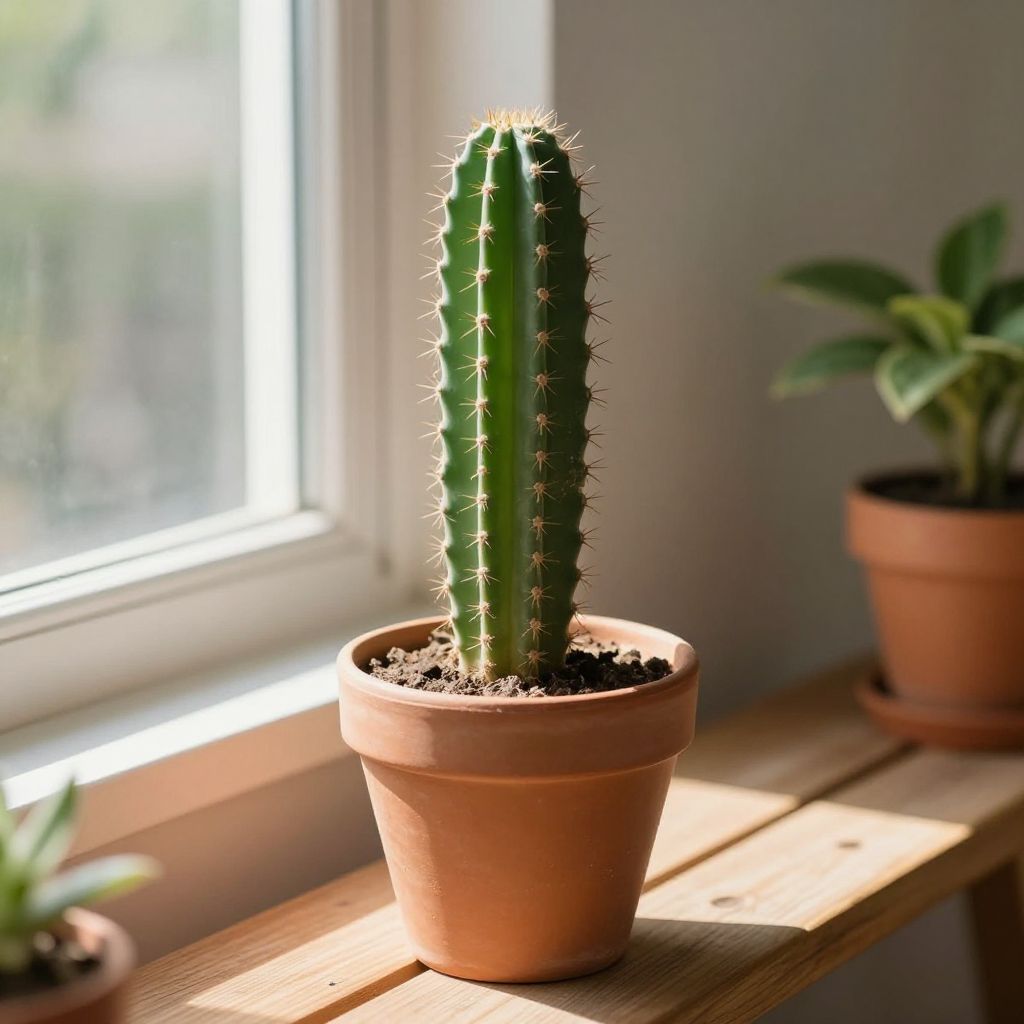
Do cactus need sun? Usually, yes—but not always full, blazing sun all day. Most cacti grow best with very bright light, and many need several hours of direct sun to stay compact, colorful, and healthy.
The exact amount depends on the species, whether the plant is indoors or outdoors, and how quickly it has been acclimated. Too little light causes stretching and weak growth; too much sudden sun can scorch the skin.
Do cactus need sun?
Most cacti need bright light and several hours of direct sun to thrive, but the amount varies by species and setting. Desert cacti often want stronger sun than forest cacti, and indoor plants usually need the brightest window you have. The key is to increase sun gradually so the plant does not burn.
How much sun do cacti really need?
Cacti are adapted to bright environments, but “more sun” is not a one-size-fits-all rule. Some species perform best with full sun outdoors, while others prefer filtered light or morning sun with afternoon shade.
Outdoor cacti
Many desert cacti grow best in full sun, especially once established. In very hot climates, however, even sun-loving types may appreciate some afternoon shade to prevent scorching.
- Full sun: 6 or more hours of direct sunlight daily
- Partial sun or bright shade: 3 to 6 hours of direct sun, or strong indirect light
- Morning sun, afternoon shade: helpful in hot regions and for newly planted cacti
Indoor cacti
Indoors, cacti usually need the brightest window available, often south- or west-facing in the Northern Hemisphere. A bright window alone may still not equal outdoor sun, so many indoor cacti slowly become leggy if they are too far from the glass.
If natural light is limited, a grow light can help. Keep the light fairly close to the plant, and run it long enough to mimic a bright day without overheating the cactus.
Signs your cactus is getting enough light
A healthy cactus usually stays compact, firm, and evenly colored. Growth should look balanced rather than stretched toward one side.
- Compact shape: stems do not become thin and floppy
- Good color: the cactus keeps its normal green, blue-green, or gray tone
- Steady growth: new growth appears seasonally, not weak and spindly
- Even posture: the plant does not lean hard toward a window
Some cacti naturally turn slightly reddish, bronze, or purplish in strong light. That can be a stress response, but in moderation it may simply mean the plant is receiving intense sun.
Signs your cactus is not getting enough sun
Low light is one of the most common cactus problems, especially indoors. The plant may survive for a long time, but it often loses its shape and becomes more vulnerable to rot and pests.
Common low-light symptoms
- Etiolation: stretched, narrow, or pale growth
- Leaning: the plant bends toward the light source
- Slow growth: little or no new growth during the active season
- Softness: weak stems that do not hold themselves upright well
Once a cactus has stretched from low light, that growth usually does not return to normal. The best fix is improved light for future growth, not expecting the old section to thicken again.
Can cactus get too much sun?
Yes. Cacti can sunburn, especially when moved suddenly from indoors to strong outdoor light. Sunburn often appears as bleached, tan, brown, or corky patches on the side facing the sun.
How sunburn happens
Sunburn is most likely when a cactus is:
- moved outdoors too quickly after being kept inside
- placed in intense midday sun too soon in spring
- exposed to reflected heat from walls, patios, or windows
- already stressed by drought, root problems, or recent repotting
Damaged tissue usually does not recover. The goal is to prevent further injury by giving the plant gentler light and time to adjust.
How to acclimate a cactus to more sun
If your cactus has been growing in shade, indoors, or under a greenhouse cover, harden it off gradually. This is one of the most important steps for healthy cactus care.
- Start with bright shade or a spot that gets only gentle morning sun.
- Increase direct sun exposure by about 1 to 2 hours every several days.
- Watch for bleaching, shriveling, or dry brown patches.
- Pause or reduce exposure if the cactus shows stress.
- Once acclimated, move it to its permanent position.
For very hot climates, a cactus may do better with bright light and some protection from the harshest afternoon sun, even after it is acclimated.
Best light conditions for indoor cactus care
Indoor cactus care is often more about light management than watering. A cactus on a coffee table or deep inside a room usually will not receive enough light for long-term health.
Where to place indoor cacti
- Right against a bright window, not several feet away
- South- or west-facing windows for highest light
- East-facing windows for gentler morning sun
- Rotate the pot occasionally so growth stays even
If your windows are shaded by trees, buildings, or curtains, consider a supplemental grow light. This is especially useful in winter, when daylight is weaker and shorter.
Winter light considerations
Many cacti slow down in winter. Even so, they still need bright light to avoid stretching. If your home is dim in winter, move the plant to the brightest available location and keep it away from cold drafts on the glass.
Best light conditions for outdoor cactus care
Outdoors, cacti usually perform best where they receive strong light and excellent drainage. A sunny patio, raised bed, or gravelly slope can work well if the soil does not stay wet.
Choose the right outdoor site
- Open sun for desert cacti
- Morning sun with afternoon shade in very hot regions
- Protection from heavy rain if your soil drains slowly
- Air movement to help dry the root zone after watering
In cooler climates, a warm south-facing wall can improve light and heat. Just remember that reflected heat can intensify sun exposure, so monitor the plant closely during heat waves.
Soil, drainage, and why they matter with sun
Sun and water work together in cactus care. A cactus in strong light can use water more efficiently, but it still needs fast-draining soil so roots do not sit wet after watering.
A good cactus mix should be loose and gritty rather than rich and dense. If your soil holds water too long, the roots can rot even if the plant is in full sun.
Simple soil guidelines
- Use a cactus or succulent mix, or amend regular potting mix with mineral material for better drainage
- Choose pots with drainage holes
- Avoid heavy garden soil in containers
- Do not let saucers stay full of water
Compost can be useful in small amounts for outdoor plantings if your soil is very poor, but too much organic matter can hold excess moisture. For cacti, drainage matters more than rich soil.
Watering changes with sunlight
Light affects how quickly a cactus dries out. A cactus in strong sun may need water more often than one in cooler shade, but the soil should still dry well between waterings.
Practical watering approach
- Water deeply, then let the soil dry out fully before watering again
- Check the potting mix with your finger or a moisture probe
- Water less in cool, low-light seasons
- Water more carefully if the plant is indoors and light is weaker
Do not follow a fixed calendar if conditions change. Pot size, soil mix, temperature, humidity, and sun exposure all affect how quickly a cactus dries.
Common mistakes to avoid
Most cactus problems come from either too little light or too much water. The two often happen together, especially indoors.
- Putting a cactus in a dark room: it may survive, but it will weaken over time
- Moving it into full sun too fast: this often causes sunburn
- Using a pot without drainage: roots can rot quickly
- Watering on a schedule instead of by soil dryness: this can overwater the plant
- Assuming all cacti want the same conditions: species differ in their light needs
When a cactus needs more than sunlight
If your cactus looks poor even with good light, check for other issues. Sun alone will not fix root rot, pests, or a badly chosen potting mix.
Watch for pests and disease
- Mealybugs: white, cottony insects in crevices
- Scale: small brown bumps on stems
- Rot: soft, dark, mushy tissue, often from excess moisture
Healthy light levels help cacti grow more strongly, but you still need to inspect them regularly. Catching problems early makes treatment much easier.
Can you propagate cactus in bright sun?
Yes, but newly cut or rooted pieces usually need gentler light at first. Fresh cuttings can scorch more easily than established plants.
Place cuttings in bright, indirect light until they have callused and begun rooting. After that, gradually increase sun exposure just as you would with a mature cactus.
Conclusion: give your cactus the right kind of sun
So, do cactus need sun? Absolutely—but the best amount depends on the species, the season, and whether the plant is indoors or outdoors. Start with bright light, increase direct sun gradually, and protect the plant from sudden exposure and poor drainage.
If you want to improve your cactus care further, consider reading more about how to water succulents correctly and choosing the best soil for cactus.