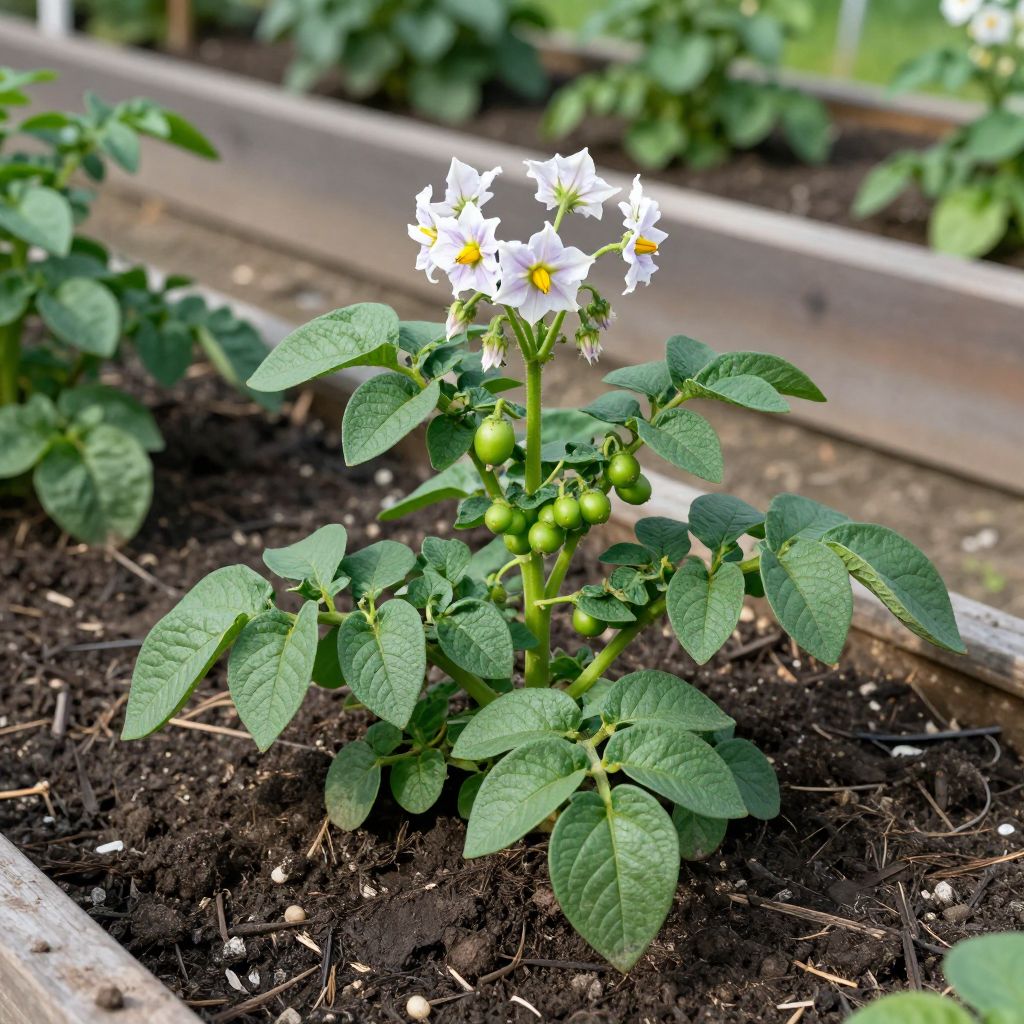
Do potatoes have seeds? Yes—but not the kind most gardeners use to grow them. Potato plants can produce true seeds inside small green fruits, but home gardeners usually propagate potatoes from “seed potatoes,” which are pieces of tuber with eyes that sprout into new plants.
If you want to grow potatoes successfully, it helps to know the difference between botanical seeds and planting tubers. Understanding that difference makes planting, care, and harvest much easier, and it helps you avoid common mistakes like saving the wrong material or planting diseased tubers.
Do potatoes have seeds?
Potatoes do have true seeds, but they are found inside the plant’s berry-like fruit, not in the tuber you eat. Most gardeners grow potatoes from seed potatoes, which are certified tubers or cut tuber pieces with at least one healthy eye. True seed is mainly used by breeders, not home gardeners.
What are the “seeds” on a potato plant?
After flowering, potato plants can form small green fruits that look a bit like tiny tomatoes. These fruits contain true botanical seeds, but they are not the normal way to start a crop.
True seed vs. seed potatoes
- True seed: Comes from the fruit of the potato plant and is used to create new varieties or grow experimental plants.
- Seed potatoes: Whole tubers or cut pieces planted in the soil to produce a new potato plant.
- Eating potatoes: Grocery-store potatoes may sprout, but they are not always the best choice for planting because of disease risk and sprout treatment.
For most home gardens, seed potatoes are the practical choice because they grow more reliably and usually produce a crop that matches the parent variety.
Why gardeners usually plant seed potatoes instead of true seed
True potato seed can be useful, but it is slower and less predictable. Plants grown from true seed may vary a lot in size, shape, maturity time, and tuber quality, which is great for breeding but less convenient for a home harvest.
Benefits of seed potatoes
- They sprout faster and more consistently.
- They produce plants with the same traits as the parent variety.
- They are easier for beginners to handle.
- They usually give a more reliable harvest.
When true seed is used
Breeders and some advanced growers use true seed to develop new potato varieties or to work with disease resistance. For most gardeners, though, planting tubers is the simplest and most dependable method.
How to plant potatoes the right way
Potatoes grow best in loose, well-drained soil with plenty of organic matter. They need full sun and steady moisture, but they do not like soggy conditions, which can cause rot and disease.
Step-by-step planting guide
- Choose certified seed potatoes if possible.
- Let tubers sprout a little before planting, if needed.
- Cut large seed potatoes into pieces with at least one or two eyes each, then allow the cut surfaces to dry and heal for a day or two in a cool, airy place.
- Plant in loose soil or a raised bed, placing pieces about 3 to 4 inches deep.
- Space plants so they have room to develop tubers and air can move around them.
- As shoots grow, hill soil or mulch up around the stems to protect developing tubers from sunlight.
If you are growing in containers, use a pot with drainage holes and a deep enough volume for root and tuber growth. Add soil gradually as the plant grows, rather than filling the container all at once.
Best growing conditions for healthy potato plants
Potatoes prefer cool to moderate temperatures, full sun, and rich soil that drains well. They generally perform best when they can grow steadily without heat stress, waterlogging, or long dry spells.
Soil and compost
- Use loose, crumbly soil so tubers can expand easily.
- Mix in compost to improve fertility and moisture retention.
- Avoid heavy clay unless you can amend it well or grow in raised beds.
- Do not use fresh manure right before planting, since it can encourage scab and overly lush top growth.
Sunlight
Potatoes need full sun for strong growth and good tuber formation. In very hot climates, a little afternoon shade can help reduce heat stress, but too much shade can lower yields.
Watering
Keep the soil evenly moist, especially when plants are forming tubers. Irregular watering can lead to misshapen potatoes, cracking, or reduced harvest size.
Water deeply when the top few inches of soil begin to dry, but avoid keeping the bed constantly wet. Good drainage is just as important as regular watering.
Common mistakes when growing potatoes
Many potato problems start with planting mistakes. A few simple adjustments can prevent rot, poor sprouting, and low yields.
- Planting in cold, wet soil: Tubers may rot before they sprout.
- Using diseased or damaged seed potatoes: This can spread blight, scab, or viral problems.
- Skipping hilling: Exposed tubers turn green and should not be eaten.
- Overwatering: Saturated soil reduces oxygen around roots and tubers.
- Overcrowding: Plants compete for light, nutrients, and space.
Why green potatoes should be avoided
Potatoes exposed to light can turn green and develop bitter compounds. Keep developing tubers covered with soil or mulch, and discard any heavily greened tubers from the harvest.
Pests and diseases to watch for
Potatoes can be affected by insects and diseases, especially in warm, humid, or crowded plantings. Good spacing, crop rotation, and healthy seed potatoes are your best defenses.
Common pests
- Colorado potato beetles: They chew leaves and can defoliate plants if not controlled.
- Aphids: They weaken plants and can spread viruses.
- Wireworms: They damage tubers underground.
Common diseases
- Late blight: A serious disease that can spread quickly in cool, wet conditions.
- Early blight: Causes leaf spots and reduced vigor.
- Scab: Often linked to dry soil or high pH conditions.
- Rot: Usually encouraged by poor drainage or injured seed pieces.
To reduce disease pressure, rotate potatoes away from other nightshades such as tomatoes, peppers, and eggplants for several seasons if possible. Also remove volunteer potatoes that sprout from missed tubers, since they can carry disease forward.
Can you grow potatoes from grocery-store potatoes?
You sometimes can, but it is not the best option. Grocery-store potatoes may be treated to reduce sprouting, and they can carry diseases that affect your garden. Certified seed potatoes are a safer and more dependable choice.
If you do use a sprouting grocery potato, choose one that is firm, free of rot, and not shriveled. Even then, the result may be less reliable than planting proper seed potatoes.
How to know when potatoes are ready to harvest
Potatoes are usually ready when the plants begin to yellow and die back naturally. That is a sign the tubers have matured, although you can also harvest some early as “new potatoes” if you want smaller, tender tubers.
Harvesting tips
- Use a garden fork or spade carefully so you do not cut tubers.
- Lift the soil gently and work outward from the plant.
- Handle tubers carefully to avoid bruising.
- Let harvested potatoes dry briefly in a shaded, airy place before storing.
Do not wash potatoes before long-term storage unless you plan to use them soon. Dry soil brushes off more easily after a short curing period.
Storing your harvest
After harvest, potatoes keep best in a cool, dark, well-ventilated place. Avoid sunlight, which causes greening, and avoid warm storage, which encourages sprouting.
Check stored potatoes regularly and remove any that soften, sprout heavily, or show signs of rot. One bad tuber can affect the rest if left unchecked.
Quick answer for gardeners who want the simplest approach
If you are asking “Do potatoes have seeds?” because you want to grow them, the easiest answer is this: plant seed potatoes, not the true seeds inside potato fruit. Give them full sun, loose soil, steady moisture, and enough space, and you will set yourself up for a much better harvest.
For more practical growing help, you may also want to read about growing potatoes in containers or preparing vegetable garden soil.