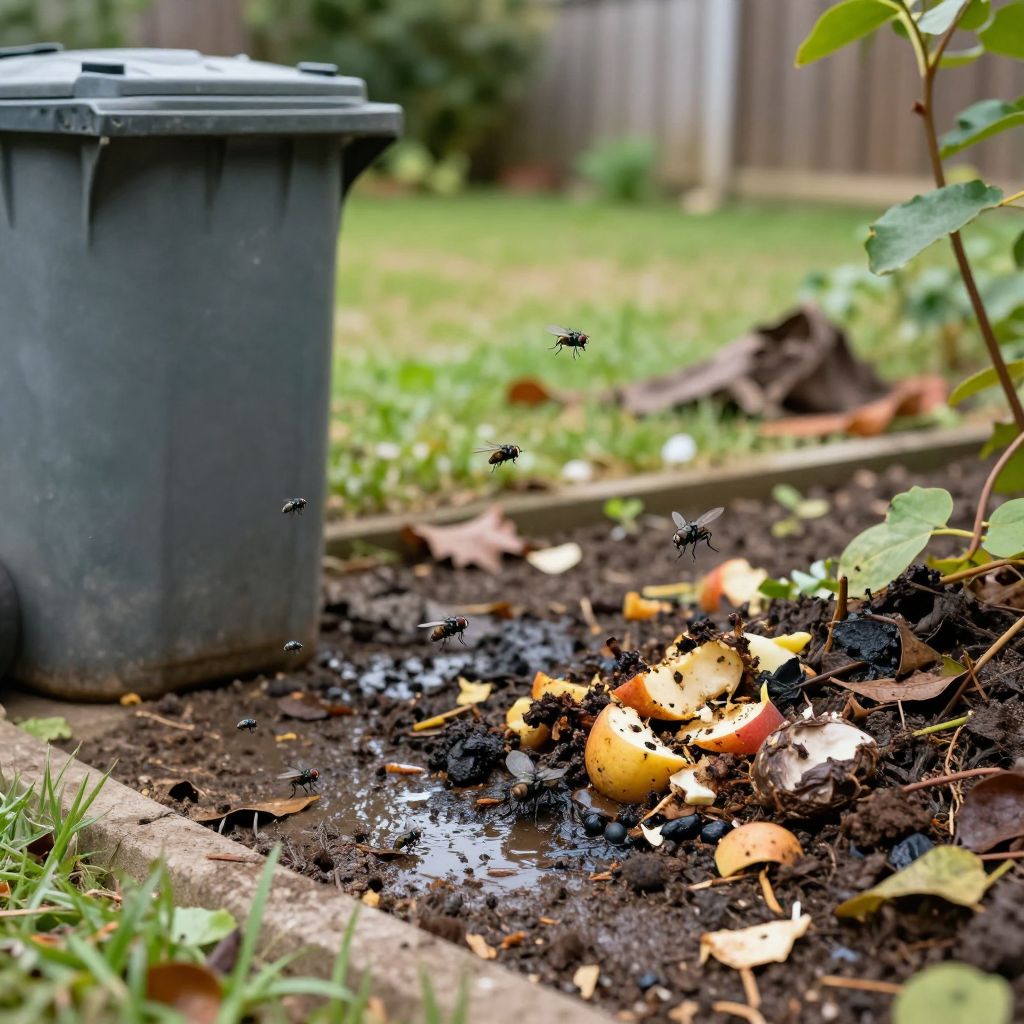
Why are there so many flies in my yard? In most gardens, flies are a sign that something is attracting them nearby: damp organic matter, pet waste, overripe fruit, trash, compost, standing water, or stressed plants. The good news is that once you identify the source, you can usually reduce fly numbers without harsh measures.
Start by looking for breeding sites and food sources around the yard, then fix moisture and sanitation problems. In many cases, the issue is not the flies themselves but a garden condition that needs attention, such as poor drainage, unmanaged compost, or decaying plant material.
Why are there so many flies in my yard?
Flies gather where they can feed, rest, and reproduce. In a yard, that usually means moist organic matter, manure, garbage, fallen fruit, clogged drains, algae, or overwatered areas. If you remove those attractants and improve airflow and drainage, fly activity usually drops noticeably.
Common yard conditions that attract flies
Compost piles that are too wet or too exposed
Compost is useful, but it can become a fly magnet if it is too wet, too rich in food scraps, or left uncovered. Flies are especially drawn to exposed kitchen waste, grass clippings in thick layers, and piles that do not heat up properly.
Healthy compost should feel like a wrung-out sponge, not soggy. If it smells sour or rotten, it likely needs more dry “brown” material such as shredded leaves, straw, or torn cardboard.
Pet waste and animal droppings
Dog waste, bird droppings, and manure are major fly breeding sites. Even a small amount left in one corner of the yard can support a surprising number of flies, especially in warm weather.
Pick up pet waste promptly and keep animal pens, coops, and manure storage areas as dry and clean as possible. If you use manure in the garden, store it away from living areas and incorporate it properly into compost rather than leaving it exposed.
Overripe fruit, vegetables, and fallen plant debris
Fruit trees, berry patches, vegetable beds, and ornamental plants can all contribute if dropped produce is left on the ground. Rotting fruit is particularly attractive to fruit flies and other small flies.
Check under trees and around garden beds regularly during harvest season. Remove split tomatoes, fallen apples, soft berries, and decaying squash before they begin to ferment.
Standing water and poor drainage
Many flies are drawn to wet areas, and some species breed in damp organic sludge around drains, gutters, birdbaths, low spots, and saucers under containers. Saturated soil can also create a persistent nuisance near foundations and patios.
If your yard stays wet after rain, look for compacted soil, blocked downspouts, or low areas where water collects. Improving drainage often helps with more than flies; it also benefits plant roots.
Mulch, leaf litter, and dense ground cover
Mulch itself does not cause fly problems, but thick, constantly damp mulch can shelter larvae and keep organic matter decomposing slowly at the surface. The same is true for piles of leaves, matted grass, and neglected garden debris.
Use mulch in a moderate layer and keep it from touching plant stems or tree trunks. If mulch is sour, slimy, or full of decaying food scraps, rake it out and replace it with cleaner material.
Garbage, recycling, and outdoor bins
Trash cans, recycling bins, and outdoor pet-food storage can attract flies if lids do not seal well or residue builds up inside. Warm weather makes the problem worse because odors intensify and decomposition speeds up.
Rinse bins regularly, keep lids tight, and store them away from seating areas and doors when possible. A few minutes of cleaning can make a big difference in fly pressure.
How to find the source of the fly problem
If you want to solve the issue, inspect the yard like a detective. Flies usually point you toward the source if you know where to look.
- Walk the yard in the morning and again in the afternoon.
- Check compost, trash, pet areas, fruit trees, vegetable beds, drains, gutters, and water features.
- Look for odors, wet patches, decaying plant material, and swarms resting on sunny walls or fences.
- Lift mulch, leaves, or boards in problem areas to see whether moisture is trapped underneath.
- Inspect containers and saucers under pots for stagnant water.
Tip: If the flies seem concentrated near one spot, that area is usually the real problem, even if the rest of the yard looks fine.
Practical fixes that really work
1. Clean up organic waste quickly
Remove fallen fruit, spent vegetables, dead leaves, and grass clippings before they start decomposing. If you compost, bury fresh kitchen scraps in the center of the pile and cover them with dry carbon-rich material.
A tidy garden is not just neater; it removes the food and breeding material flies need.
2. Balance compost moisture and airflow
If your compost is too wet, mix in dry leaves, straw, shredded paper, or untreated cardboard. Turn the pile so air can reach the center, and keep it covered in a way that still allows ventilation.
Do not add large amounts of meat, oily food, or uncovered kitchen scraps to an open pile. Those materials are especially likely to attract flies and other pests.
3. Improve drainage in wet areas
For soggy soil, correct the cause rather than masking it. Clear clogged gutters, extend downspouts away from beds, level low spots if appropriate, and avoid overwatering containers and borders.
In garden beds, raised planting areas and coarse organic matter can help soil dry more evenly, but only if the underlying drainage problem is addressed.
4. Manage mulch properly
Keep mulch layers moderate and avoid piling it deeply against stems, trunks, or fence posts. If mulch has gone sour or slimy, remove the worst sections and replace them with fresh material after the area dries.
Good mulch should suppress weeds and conserve moisture, not become a breeding bed for insects.
5. Keep animal areas sanitary
Scoop pet waste daily if possible, and clean feeding areas often. For chicken runs, rabbit hutches, or livestock areas, remove manure and damp bedding regularly and keep feed in sealed containers.
Dry, clean animal areas are much less attractive to flies than damp, messy ones.
6. Harvest and store produce promptly
Pick fruits and vegetables as soon as they are ready, and remove damaged produce from the ground. If you keep harvested produce outdoors temporarily, do so in a shaded, protected place and bring it inside quickly.
Overripe produce is one of the most common reasons for sudden fly surges in home gardens.
What not to do
- Do not leave compost uncovered with fresh food scraps on top.
- Do not overwater beds just because the surface looks dry.
- Do not let pet waste build up in one area.
- Do not ignore clogged drains, gutters, or birdbaths.
- Do not assume flies are harmless if they keep returning to the same spot.
These mistakes create the warm, moist, food-rich conditions flies need to breed.
When the flies may be coming from a plant problem
Sometimes the issue is tied to plant health rather than general yard sanitation. Sick or dying plants can produce decaying tissue, sap, or trapped moisture that draws flies.
Root rot and overwatered containers
Container plants with poor drainage can develop root rot, especially if saucers hold water underneath. The soil may stay wet for too long, and the potting mix can begin to smell unpleasant.
If this happens, empty saucers, check drainage holes, and let the medium dry appropriately for the plant type. If roots are badly damaged, repotting may be necessary.
Soft, rotting fruit on the plant
Tomatoes, peppers, squash, berries, and tree fruit can attract flies when fruit splits or rots on the plant. Remove damaged fruit promptly and thin crowded growth if poor airflow is contributing to disease.
Better spacing, careful watering at the base, and regular harvesting can reduce both rot and fly pressure.
Seasonal patterns: why flies get worse at certain times
Fly activity usually increases in warm, humid weather because decomposition speeds up and breeding cycles shorten. After rain, around harvest time, and during heat waves, you may notice a sudden increase even if nothing obvious has changed.
In cooler weather, flies may still gather near sunny walls, compost, or sheltered corners, but the problem often becomes less intense. That is why prevention during warm months matters most.
Simple prevention routine for a fly-free yard
- Pick up fallen fruit and vegetables every few days during peak season.
- Keep compost covered, balanced, and turned.
- Empty standing water from pots, trays, and birdbaths regularly.
- Scoop pet waste and clean feeding areas often.
- Check drains, gutters, and low spots after rain.
- Rake away soggy leaves and decaying debris before it builds up.
This routine is simple, but it prevents most fly problems before they become severe.
When to expect improvement
If you remove the source, you may see fewer flies within a few days, though heavy infestations can take longer to settle down. Persistent problems usually mean there is still a hidden breeding site nearby.
If you have already cleaned up the obvious attractants and flies remain abundant, recheck shaded corners, compost edges, under decks, around bins, and anywhere water lingers after rain.
Conclusion
If you are wondering why there are so many flies in my yard, focus first on moisture, decaying organic matter, and sanitation. Find the source, clean it up, and improve drainage or compost management where needed. If you want more practical garden maintenance guidance, look for related reading on compost care and managing wet garden areas.