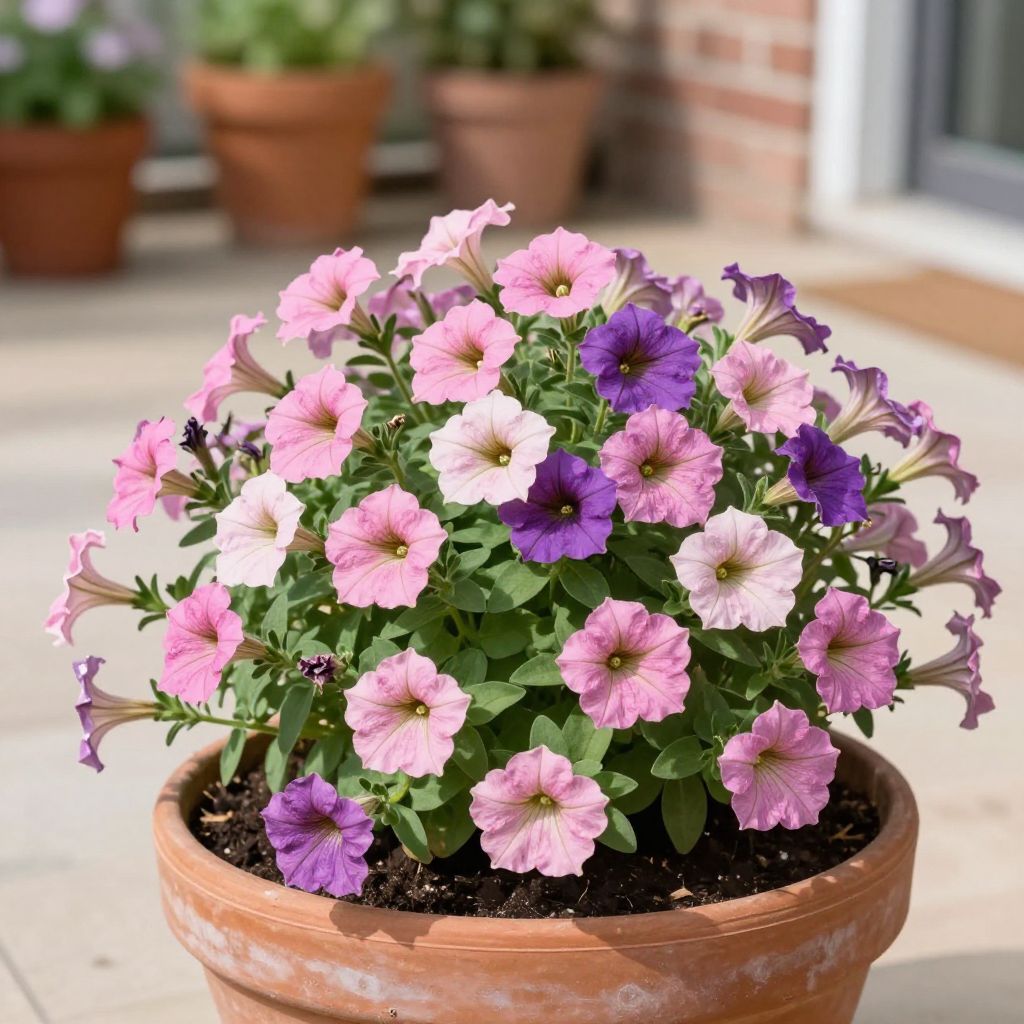
Are petunias annuals or perennials? For most gardeners, petunias are grown as annuals because they flower best in warm weather and usually cannot survive winter cold outdoors. In frost-free climates, some types may behave like short-lived perennials, but they still tend to decline after a season or two.
The good news is that petunias are easy to grow, bloom for a long time, and respond well to regular care. If you understand how your climate affects them, you can enjoy fuller plants, more flowers, and fewer problems all season.
Are petunias annuals or perennials?
Petunias are technically tender perennials in their native warm climates, but in most home gardens they are treated as annuals because frost kills them. In warm, frost-free areas they may survive longer, though they often get leggy or less vigorous over time. Most gardeners replant them each year for the best bloom.
Why petunias are usually grown as annuals
Petunias are not frost-hardy, so a cold snap can quickly damage or kill them. Even where winters are mild, they may not keep their neat shape and flowering power indefinitely.
That is why you will usually see them sold and planted as bedding annuals, hanging basket plants, or container flowers. They are chosen for one strong season of color rather than long-term permanence in the landscape.
What “annual” means in practice
- Annual in cold climates: planted after frost danger passes and removed or composted when frost returns.
- Short-lived perennial in warm climates: may survive more than one year, but performance often declines.
- Container-grown anywhere: can be moved, refreshed, or replaced more easily than in-ground plants.
Types of petunias and how they affect longevity
Different petunia groups all share similar warmth-loving habits, but growth style can affect how long they look good. Some are better suited to hanging baskets, while others hold up better in beds.
Common petunia forms
- Grandiflora petunias: large blooms, often showy but can be more weather-sensitive.
- Multiflora petunias: smaller flowers, usually more weather-tolerant and free-blooming.
- Milliflora petunias: compact plants with many small blooms, useful for containers.
- Trailing or spreading petunias: excellent for baskets and window boxes.
Regardless of type, petunias usually perform best when treated as seasonal color plants rather than long-term shrubs or perennials.
Best growing conditions for healthy petunias
Petunias bloom most heavily in full sun and well-drained soil. They can tolerate some light shade, but too little sun usually means fewer flowers and leggier growth.
Sunlight
Give petunias at least 6 hours of direct sun daily, and more is often better in cooler climates. In very hot regions, a little afternoon shade can help prevent stress and fading.
Soil and drainage
Petunias dislike soggy roots. Plant them in loose, fertile soil that drains well, and mix in compost if the soil is poor or compacted. In containers, use a quality potting mix rather than garden soil.
Containers versus garden beds
- In beds: improve drainage with compost and avoid low spots where water collects.
- In pots: choose containers with drainage holes and do not let them sit in standing water.
- In hanging baskets: expect faster drying, so check moisture more often.
How to plant petunias for the best season of color
Whether you buy transplants or start from seed, timing matters. Petunias grow best once nights are warm and frost is no longer a threat.
- Choose a sunny site or container with good drainage.
- Work compost into the top layer of soil if needed.
- Set transplants at the same depth they were growing in the pot.
- Water thoroughly after planting to settle the roots.
- Mulch lightly in beds to help hold moisture and reduce weeds.
If you are planting several petunias together, space them according to their mature spread so air can move between plants. Good airflow helps reduce disease problems later.
Petunia care tips that keep them blooming longer
Petunias are not difficult, but they do best with steady care. The right routine can keep them flowering for months instead of fading early.
Watering
Water when the top inch of soil begins to dry, then soak deeply. Avoid frequent shallow watering, which encourages weak roots. Containers may need water more often than garden beds, especially in hot or windy weather.
Try to water at the base of the plant. Wet foliage can encourage disease, especially when plants stay damp overnight.
Feeding
Petunias are heavy bloomers and may benefit from regular feeding, especially in containers. Use a balanced flower fertilizer or slow-release plant food according to the label, and avoid overfeeding with nitrogen-heavy products, which can produce lush leaves but fewer flowers.
Deadheading and trimming
Removing spent blooms helps keep many petunias tidy and encourages more flowers. Some modern varieties are self-cleaning, but they still benefit from occasional trimming if they become stretched or sparse.
- Pinch back long stems to encourage branching.
- Remove faded flowers if they cling and look messy.
- Trim leggy plants by one-third to refresh growth.
Can you overwinter petunias?
Yes, you can try to overwinter petunias indoors, but success is not guaranteed. Because they are naturally short-lived in many gardens, some plants do not rebound strongly the next year.
Overwintering options
- Bring containers indoors: place them in a bright, cool spot before frost.
- Take cuttings: root healthy stem cuttings to make new plants.
- Keep as a houseplant temporarily: only if you have strong light and can manage pests.
If you overwinter petunias indoors, reduce watering and watch carefully for aphids, whiteflies, and spider mites. Indoor light is often much weaker than outdoor sun, so plants may stretch or bloom less.
Common petunia problems and how to fix them
Most petunia issues come from too little sun, too much water, poor airflow, or plants simply aging out after a long bloom period. Catching problems early makes a big difference.
Leggy growth
Leggy petunias usually mean the plant needs more sun or a trim. Cut them back lightly and move containers to a brighter spot if possible.
Few flowers
Low bloom count can come from shade, too much fertilizer with nitrogen, or spent flowers left on the plant. Increase sun exposure, switch to a bloom-friendly fertilizer, and deadhead regularly.
Yellowing leaves
Yellow leaves may signal overwatering, poor drainage, or nutrient imbalance. Check the soil first; if it stays wet for too long, improve drainage before adding more fertilizer.
Pests
- Aphids: cluster on tender growth and buds.
- Whiteflies: tiny flying insects that rise when plants are disturbed.
- Slugs and snails: may chew leaves in damp gardens.
- Spider mites: more common in hot, dry conditions or indoors.
Use a strong spray of water for mild aphid problems, remove badly affected leaves, and improve airflow. For slugs, keep the area tidy and avoid overwatering at night.
Diseases
Petunias can develop fungal problems such as powdery mildew or root rot if conditions stay too wet or crowded. Space plants well, water carefully, and discard badly diseased plants rather than trying to save them in place.
How long petunias last in the garden
In many climates, petunias look their best for one long season. With good care, they may bloom from late spring until frost. In mild regions, they can sometimes persist longer, but they usually need trimming, feeding, and occasional replacement to stay attractive.
If your petunias fade in midsummer, that does not always mean you failed. Heat, heavy rain, age, and crowding can all shorten their peak performance even when you care for them properly.
Simple maintenance checklist for better petunias
- Plant in full sun or the brightest spot available.
- Use well-drained soil or a quality potting mix.
- Water deeply, then let the surface dry slightly before watering again.
- Feed lightly but regularly during active growth.
- Deadhead or trim when plants get leggy.
- Watch for pests and disease, especially in humid weather.
- Replace tired plants when bloom quality drops too much.
Conclusion: what to do next
So, are petunias annuals or perennials? In most gardens, they are best treated as annuals, though they may survive longer in frost-free climates. For the strongest bloom, give them sun, drainage, and regular care, then refresh or replace them when they start to weaken.
If you want to grow more reliable summer color, consider reading more about container gardening tips and annual flower care to help you plan your next planting season.