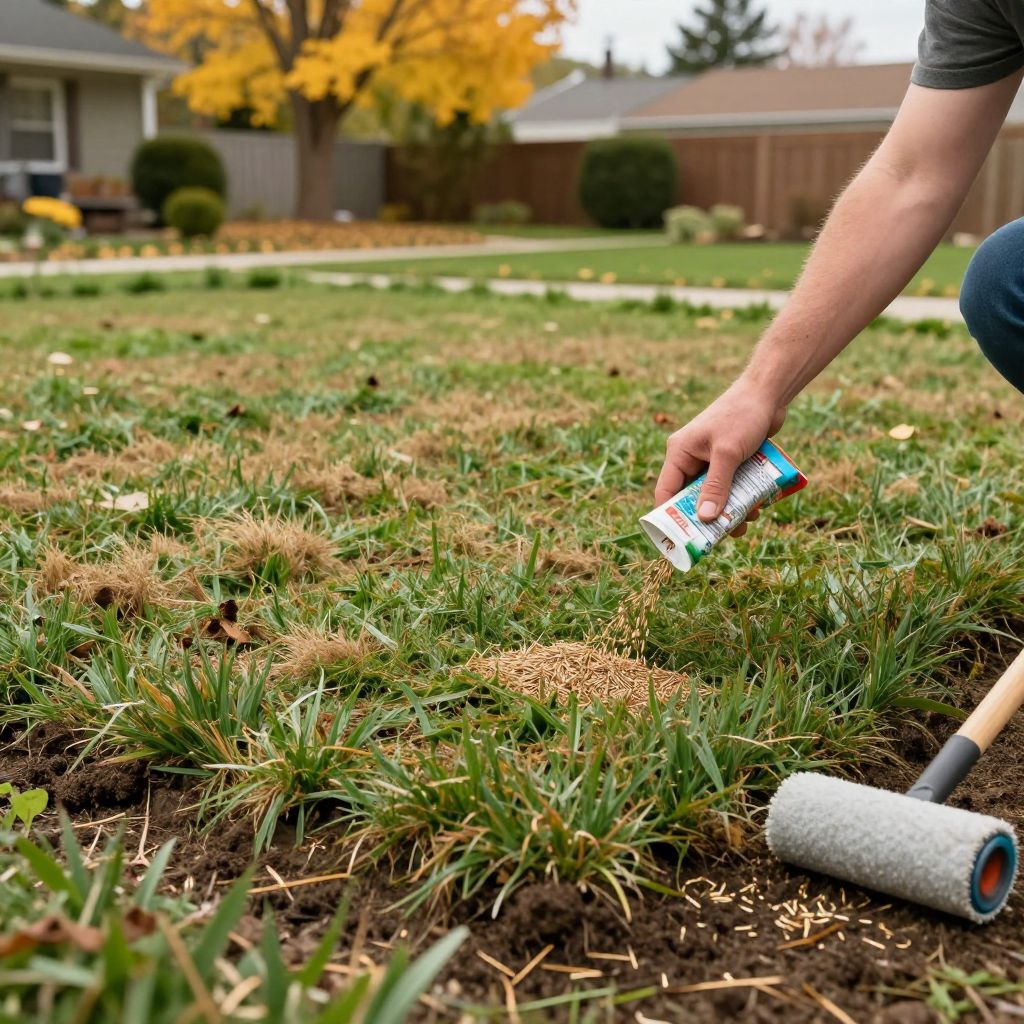
Can you plant grass seed in the fall? Yes—fall is often one of the best times to sow grass seed because cooler air, warm soil, and fewer weed pressures help seedlings establish well. The exact timing depends on your climate, grass type, and how soon hard frost arrives.
If you seed at the right time and keep the soil consistently moist, you can get strong germination and a thicker lawn heading into winter. The key is matching your seeding window to local weather and giving the young grass enough time to root before cold, dry conditions set in.
Can You Plant Grass Seed In The Fall?
Yes, you can plant grass seed in the fall, and in many regions it is the preferred season. Fall offers warm soil for germination, cooler temperatures for seedling growth, and fewer aggressive weeds. The main goal is to seed early enough that new grass can establish roots before the first hard freeze or winter dormancy.
Why Fall Is Often the Best Time to Seed Grass
Fall conditions are usually easier on young grass than summer heat. Soil stays warm after summer, which helps seed sprout, while cooler days reduce stress on tender seedlings.
Benefits of fall seeding
- Better germination because soil temperatures are still favorable.
- Less competition from many warm-season weeds.
- Lower heat stress and less evaporation than midsummer planting.
- More time for roots to develop before spring growth begins.
When fall seeding works best
Fall seeding is especially effective in cool-season lawns such as Kentucky bluegrass, perennial ryegrass, fine fescues, and tall fescue. In colder climates, early to mid-fall is usually ideal. In milder areas, you may be able to seed later, but the lawn still needs enough time to establish before winter weather slows growth.
How to Time Fall Grass Seeding
Timing matters more than the calendar. The best planting window is usually when daytime temperatures are cooling, nights are getting cooler, and the soil is still warm enough for seed to sprout. If you wait too long, seedlings may germinate slowly and enter winter too weak to survive well.
What to look for before you seed
- Soil is workable and not waterlogged.
- Daytime heat is easing, especially after summer stress.
- You still have several weeks before hard frost.
- You can water regularly for at least the first few weeks.
If you live in a region with early frost, seed earlier in the fall rather than later. If you are in a warmer climate, your best window may be later in the season, but avoid seeding so late that young grass cannot establish before cooler weather slows growth.
What Kind of Grass Seed Should You Plant in Fall?
The right seed depends on your lawn type and climate. Cool-season grasses are commonly seeded in fall because they grow most actively in cooler weather. Warm-season grasses are usually established earlier in the year, though some overseeding situations may still happen in fall depending on the region.
Common cool-season lawn grasses
- Perennial ryegrass
- Tall fescue
- Fine fescues
- Kentucky bluegrass
Read the seed label carefully. Good seed mixes list the species and germination information, and they should be appropriate for your sunlight, shade, and traffic conditions. For example, shady areas often need a different mix than full-sun lawns.
How to Plant Grass Seed in the Fall
Good seed-to-soil contact is the foundation of successful fall seeding. You do not need fancy equipment, but you do need a clean, prepared seedbed and steady moisture.
- Clear the area of weeds, sticks, stones, and dead grass.
- Loosen the topsoil with a rake or garden fork so seed can settle in.
- Improve poor soil with a thin layer of compost if needed, especially in compacted or low-organic-matter areas.
- Level low spots so water does not pool and drown seed.
- Spread seed evenly using a broadcast or drop spreader for larger areas.
- Rake lightly so seed is covered by a very thin layer of soil, not buried deeply.
- Press the seed in with a lawn roller or by walking gently over the area to improve contact.
- Water gently right away with a fine spray.
How deep should grass seed be planted?
Most grass seed should be planted very shallowly, usually about 1/8 to 1/4 inch deep, or just covered lightly. If seed is buried too deeply, germination can be poor. A light raking after spreading is often enough.
Soil, Compost, and Drainage Tips
Grass seed germinates best in moist, loose, well-drained soil. Heavy clay, compacted soil, or areas that stay soggy can reduce germination and encourage disease.
How to improve the seedbed
- Add a thin topdressing of compost to improve structure and moisture retention.
- Break up compacted soil before seeding.
- Fix drainage problems first if water sits on the surface after rain.
- Avoid thick layers of mulch or compost that block seed from reaching soil.
If your lawn has severe drainage issues, seeding alone may not solve the problem. You may need to grade the area, aerate compacted soil, or redirect runoff before the new grass can thrive.
Watering New Grass Seed in Fall
Young seed needs consistent moisture to germinate. The soil should stay evenly damp, but not saturated. Drying out even once can interrupt germination, especially during the first 1 to 2 weeks.
Practical watering guidance
- Water lightly and frequently at first to keep the surface moist.
- Adjust based on rainfall, wind, sun exposure, and soil type.
- Once seedlings emerge, water less often but more deeply to encourage rooting.
Shady or cool spots may dry more slowly than sunny slopes, so check those areas separately. Sandy soil usually needs more frequent watering than clay soil, while clay may need gentler watering to avoid runoff.
Sunlight, Shade, and Fall Germination
Grass seed still needs light conditions that match the species. Full-sun grasses can struggle in deep shade, while shade-tolerant mixes may thin out in hot, exposed areas. Fall sun is often less intense, which can help seedlings, but the site still needs enough light for healthy growth.
Watch for these site issues
- Dense tree shade that limits growth all day.
- Competing roots from large trees and shrubs.
- Dry slopes that lose moisture quickly.
- Low spots where water collects after rain.
If a problem area is too shady or too wet, grass seed may not be the best fix. You may need to prune overhead branches, improve drainage, or choose a different ground cover for that space.
Common Mistakes to Avoid
Most fall seeding problems come from rushing the prep work or planting too late. A little extra attention before sowing usually pays off with a thicker lawn.
- Seeding too late for your climate, leaving seedlings underdeveloped before winter.
- Skipping soil prep and sowing into compacted ground.
- Using too much seed, which can create overcrowding and weak growth.
- Watering inconsistently during germination.
- Applying heavy mulch or soil over the seed.
- Letting foot traffic disturb newly seeded areas.
How to Care for New Grass Before Winter
Once the seed sprouts, your job is to protect the young lawn while it develops roots. New grass is still fragile, even if it looks established on the surface.
Early care checklist
- Keep traffic off the area as much as possible.
- Mow only when the grass is tall enough and the soil is firm.
- Use a sharp mower blade to avoid tearing tender grass.
- Continue monitoring moisture until the lawn is established.
Do not mow too short. Young grass benefits from a slightly taller cut because it helps shade the soil and support root development. If frost arrives early, growth will slow, and that is normal.
What If the Seed Doesn’t Come Up?
Patchy germination usually points to one of a few problems: seed planted too deeply, soil drying out, poor seed quality, or temperatures that were not right for the species. Sometimes birds, heavy rain, or erosion also move seed out of place.
Troubleshooting tips
- Check whether the seedbed stayed moist enough during the first two weeks.
- Look for crusted soil that blocked sprouts from emerging.
- Review the seed label to confirm the grass type fits your region.
- Reseed thin spots if the original planting failed in small areas.
If only parts of the lawn failed, you can overseed those spots rather than starting over. Lightly roughen the surface first so new seed can settle into the soil.
Should You Fertilize When Seeding in Fall?
Many gardeners use a starter fertilizer when seeding, but the right choice depends on your soil and lawn needs. If you fertilize, choose a product intended for new grass rather than a high-nitrogen lawn booster that can push weak top growth.
Soil test results are the best guide for long-term fertility. If you do not have a soil test, focus first on proper seedbed preparation, watering, and timing. Healthy establishment matters more than heavy feeding in the first few weeks.
Conclusion: Fall Seeding Can Set Up a Better Lawn
So, can you plant grass seed in the fall? Absolutely—and for many lawns, it is the smartest time to do it. Seed early enough for roots to develop, prepare the soil well, and keep the area evenly moist until the new grass is established.
If you want to keep improving your lawn, consider reading more about lawn care basics, soil preparation, and overseeding techniques so you can match your next project to your local growing conditions.