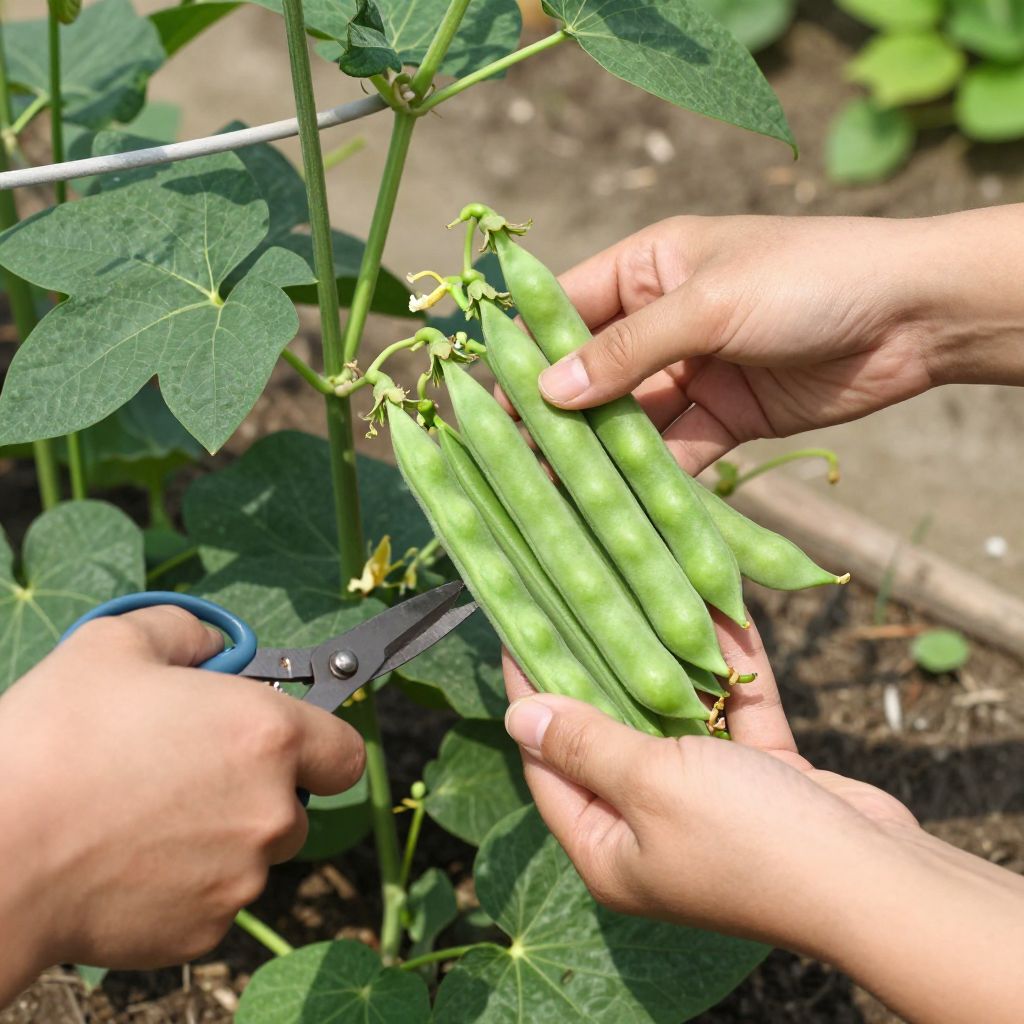
If you’re wondering when to pick green beans, the best answer is usually: harvest them young, tender, and before the seeds inside swell. Most snap beans are ready about 50 to 60 days after planting, but the real test is pod size and texture, not the calendar.
Picking at the right time keeps plants producing longer and gives you beans that are crisp instead of stringy. The ideal harvest window is short, so check plants every day or two once flowering starts.
When To Pick Green Beans?
Pick green beans when the pods are firm, smooth, and snap cleanly in half, usually before the seeds inside become visible through the pod. For most snap bean varieties, that means harvesting pods about 4 to 6 inches long, while they are still slender and tender. If the pods feel bulgy or leathery, they are past peak quality.
How to Tell Green Beans Are Ready
Green beans can look ready from a distance long before they are actually at their best. The easiest way to judge is by combining a few signs rather than relying on size alone.
Visual signs of harvest readiness
- Pod length: Many snap beans are best around 4 to 6 inches long, though some varieties stay tender a little longer.
- Pod shape: The bean should look smooth and slender, not swollen or bumpy.
- Seed development: If you can clearly see the seeds bulging inside, wait too long and the texture may turn tough.
- Color: Pods should be evenly colored and crisp-looking, not dull or leathery.
The snap test
Gently bend a pod. A ready bean should break with a clean snap. If it bends limply or feels fibrous, it has likely passed its prime. If it is soft and floppy, the pod may be overmature or stressed by heat or drought.
Harvest Timing by Bean Type
“Green beans” often refers to snap beans, but timing can vary by type. Knowing which kind you planted helps you harvest at the right stage.
Bush beans
Bush beans usually produce a concentrated crop over a few weeks. Check them often once they start flowering, because pods can go from perfect to overgrown quickly. Frequent picking encourages more pods to form.
Pole beans
Pole beans produce over a longer season, so you may harvest repeatedly for many weeks. Because new flowers and pods keep forming, pick every 1 to 3 days in warm weather to keep plants productive.
Filet beans and specialty varieties
Some slender French-style beans are best picked smaller and thinner than standard snap beans. Read the seed packet if possible, because pod length and ideal harvest stage can differ by variety.
Best Time of Day to Pick Green Beans
Morning is often the best time to harvest green beans. Pods are usually crisp after cooler overnight temperatures, and the plants are less stressed than they may be in the afternoon heat. That said, if pods are ready, it is better to pick them than leave them too long.
How often to harvest
- Check plants every 1 to 2 days once they begin producing.
- In hot weather, pods can mature very quickly, so daily picking may be needed.
- Harvesting regularly helps prevent pods from becoming tough and can extend production.
What Happens If You Pick Green Beans Too Late?
Overripe beans become stringy, tough, and less flavorful. The pod walls thicken, the seeds enlarge, and the plant shifts energy toward seed maturity instead of making more tender pods. One missed harvest can also slow the plant’s overall production.
Can you still eat overgrown green beans?
Yes, sometimes, but the texture may be disappointing if you try to cook them as snap beans. Very mature pods are often better left to dry on the plant if you want seed-saving or dry beans, rather than forcing them into a tender-pod harvest.
How to Pick Green Beans Without Damaging the Plant
Green bean plants are productive but somewhat brittle, so careful harvesting matters. Pulling pods roughly can break stems, strip flowers, or damage nearby buds.
- Hold the stem or vine gently with one hand.
- Pinch the pod stem with your fingers or use clean snips if needed.
- Pull the bean away with a slight twist, not a hard tug.
- Place harvested pods in a shallow container so they do not bruise.
If pods resist, they may be attached more firmly than expected. Use scissors or pruners for a cleaner cut rather than yanking the plant.
Growing Conditions That Affect Harvest Timing
Weather, soil, and plant stress all influence when green beans are ready. In cooler conditions, pods may develop more slowly. In hot, dry weather, they can mature fast and become tough sooner than expected.
Sunlight
Green beans grow best in full sun, which usually means at least 6 hours of direct light daily. Good light helps plants flower and set pods more reliably.
Soil and drainage
Beans prefer loose, well-drained soil. Waterlogged roots can slow growth and weaken plants, while very dry soil can cause pods to become fibrous or misshapen. Adding compost improves soil structure and helps retain moisture without making the soil soggy.
Watering
Even moisture supports tender pods. Irregular watering can lead to tough beans or uneven pod development. Water at the base of the plant when the top inch of soil dries, adjusting for rainfall, temperature, and soil type.
Common Problems That Affect Picking Time
Sometimes beans look ready but are not quite at their best because of pests, disease, or weather stress. Knowing what to watch for can help you decide whether to harvest now or wait a little longer.
Pests
Aphids, bean beetles, and other chewing insects can weaken plants and scar pods. If pods are still tender and undamaged, harvest them promptly. If pests are active, remove affected pods and inspect the undersides of leaves for more insects.
Diseases
Fungal issues and bacterial spotting can reduce plant health and shorten the harvest window. Pick usable pods early if disease is spreading, and remove badly damaged plant material to reduce further problems.
Heat and drought stress
High temperatures can make beans mature quickly and lose tenderness. During hot spells, check plants more often and harvest at a slightly smaller size if pods are developing fast.
Should You Let Some Beans Stay on the Plant?
For eating fresh, no—harvest most pods while they are young. Leaving mature pods on the plant too long usually reduces future production. The main exception is if you want to save seed or dry beans, in which case you would allow pods to fully mature and dry on the plant.
Seed-saving versus fresh eating
If your goal is fresh snap beans, keep picking. If your goal is dry beans, stop harvesting selected pods and let them mature fully. These are different harvest stages, so decide early which outcome you want from the crop.
Quick Harvest Checklist
- Pods are 4 to 6 inches long, or the variety’s recommended size.
- Beans feel firm and crisp, not limp.
- Seeds inside are still small.
- Pods snap cleanly when bent.
- You are harvesting every 1 to 3 days during peak production.
Final Tips for Better Green Bean Harvests
The secret to great green beans is simple: check them often and pick them young. Once the plants start producing, a short delay can make the difference between crisp pods and tough ones. Harvest regularly, handle the vines gently, and keep plants evenly watered for the best results.
If you want to improve your bean patch further, it may help to read more about growing green beans and bean planting and care for additional seasonal guidance.