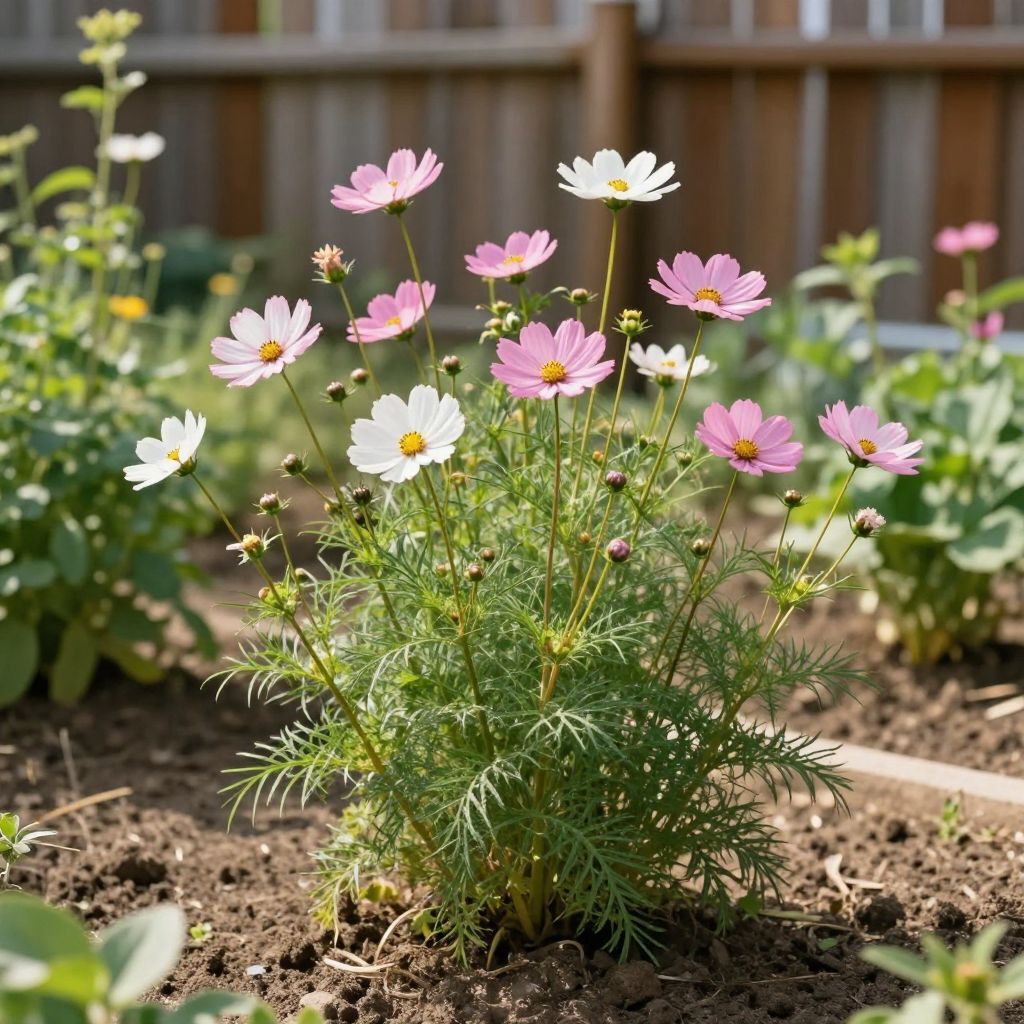
Wondering when do cosmos bloom in your garden? The short answer is that cosmos usually start flowering in early summer and keep going until frost, with timing depending on when you sow them, your climate, and how much sun they get. In warm areas, they may bloom earlier; in cooler regions, they often peak later in summer.
Cosmos are popular for their long bloom season, easy care, and airy flowers that brighten borders, beds, and containers. If you want more blooms for longer, the key is giving them full sun, avoiding rich soil, and deadheading regularly.
When do cosmos bloom?
Cosmos typically bloom about 7 to 10 weeks after sowing, then flower continuously from early summer until the first frost. If you start seeds indoors, you may see blooms a few weeks earlier; direct-sown plants often bloom a little later but usually grow sturdier roots.
What affects cosmos bloom time?
Several growing conditions influence when cosmos bloom, how heavily they flower, and how long the display lasts. The biggest factors are temperature, sunlight, soil fertility, and whether you started from seed or transplants.
1. Sowing method
- Direct sowing outdoors usually gives a later first bloom, but plants often adapt well and need less transplant shock.
- Starting indoors can speed up flowering if you have a short growing season, though seedlings must be handled gently.
2. Sun exposure
Cosmos need full sun to bloom well. In part shade, they may grow tall and leafy but produce fewer flowers. Aim for at least 6 to 8 hours of direct sun each day.
3. Soil fertility
Too much nitrogen can delay flowering and encourage lush foliage instead of blooms. Cosmos prefer average to poor soil that drains well. If your soil is very rich, you may get fewer flowers and floppy stems.
4. Weather and climate
Cool spring weather slows growth, while warm temperatures speed it up. In hot climates, cosmos may bloom earlier and keep flowering longer if they are watered during dry spells. In cooler areas, bloom time often depends on when the soil warms enough for seed germination.
How to grow cosmos for earlier, longer blooming
If your goal is more flowers for more of the season, focus on the basics: sun, drainage, and steady maintenance. Cosmos are forgiving, but a few simple habits make a big difference.
Choose the right planting spot
- Pick a site with full sun and good air circulation.
- Use soil that drains freely after rain.
- Avoid heavily amended beds that are too fertile for flowering annuals.
Plant at the right time
Wait until frost danger has passed and the soil is warming before sowing outdoors. If you start seeds indoors, transplant them after hardening off and once nights are reliably mild. Cosmos dislike cold, wet soil and may stall if planted too early.
Don’t overfeed
A light compost dressing is usually enough in average garden soil. Skip high-nitrogen fertilizers unless a soil test shows a real need. Overfeeding often leads to tall, weak plants with fewer blooms.
Water wisely
Young plants need regular moisture to establish, but mature cosmos are fairly drought-tolerant. Water deeply when the top few inches of soil dry out, especially in containers or during prolonged dry weather. Avoid keeping the soil constantly wet.
How to keep cosmos blooming all season
Once cosmos start flowering, a little maintenance helps them keep going. These plants can bloom for months if you prevent them from setting seed too early and keep them from becoming too leggy.
Deadhead spent flowers
Remove faded blooms regularly to encourage new buds. Cut the flower stem back to a set of leaves or a side shoot. If you leave old flowers in place, the plant puts more energy into seed production and may slow down.
Pinch young plants
When plants are still young and about 8 to 12 inches tall, pinching the growing tips can encourage branching. More branches usually mean more flower stems later. This works especially well for tall types that can otherwise get lanky.
Stake if needed
Tall cosmos can flop in windy sites or rich soil. Use discreet stakes or grow through a support ring if your plants are leaning. Upright stems get better light and are easier to deadhead, which helps extend bloom time.
Why your cosmos are not blooming yet
If your plants are healthy but not flowering, the problem is often environmental rather than a disease. Check the growing conditions first before assuming something is wrong.
Common reasons for delayed bloom
- Not enough sun — plants stay leafy and produce fewer buds.
- Too much fertilizer — especially nitrogen-heavy feeding.
- Cold weather — growth slows until temperatures rise.
- Plants are still young — some varieties need time before flowering.
- Overcrowding — crowded plants compete for light and air.
What to do
- Move container-grown cosmos to a sunnier spot if possible.
- Stop feeding with high-nitrogen fertilizer.
- Thin crowded seedlings so each plant has room to branch.
- Be patient if the weather is still cool; many cosmos bloom later once summer warmth arrives.
Do different cosmos types bloom at different times?
Yes, bloom timing can vary by species and cultivar, though most garden cosmos follow a similar pattern of summer-to-frost flowering. Some types are quicker to bloom, while taller or more finely cut varieties may take a bit longer to mature.
Common garden types
- Cosmos bipinnatus is the most familiar garden cosmos, with daisy-like flowers and feathery foliage.
- Cosmos sulphureus often handles heat well and may bloom strongly in warm weather.
Seed packets usually give an estimated days-to-bloom range. Use that as a guide, but remember that local weather, planting date, and growing conditions can shift the timing.
Growing cosmos in containers
Cosmos can bloom well in pots if the container is large enough and gets plenty of sun. Container plants may flower a little sooner if started early, but they also dry out faster and need closer attention.
Container tips for better flowering
- Use a pot with drainage holes.
- Choose a light, well-draining potting mix.
- Water when the top layer of mix feels dry.
- Avoid oversized doses of fertilizer.
Smaller pots can restrict root growth and dry out too quickly, which may shorten bloom time. A larger container usually supports steadier flowering.
Common pests and diseases that can affect flowering
Cosmos are generally low-maintenance, but stress from pests or disease can reduce bloom production. Healthy, well-spaced plants usually have fewer problems.
Watch for these issues
- Aphids on tender stems and buds.
- Powdery mildew in crowded, humid conditions.
- Spider mites during hot, dry weather.
- Slugs and snails on young seedlings.
Simple fixes
- Rinse aphids off with a strong spray of water.
- Improve spacing and air flow to reduce mildew.
- Water early in the day to help foliage dry faster.
- Protect seedlings from slugs with physical barriers or hand-picking.
How to extend the cosmos bloom season
If you want flowers from early summer into fall, succession sowing is one of the best strategies. You can sow a second small batch a few weeks after the first, especially in long seasons where early plantings may fade in the heat or after heavy rain.
Best practices for a longer display
- Deadhead every few days during peak bloom.
- Cut flowers for arrangements to encourage more stems.
- Remove weak or diseased growth promptly.
- Keep plants in full sun and avoid rich, soggy soil.
In many gardens, cosmos bloom best when they are slightly neglected rather than pampered. Their natural habit is to flower freely in lean, sunny conditions.
Can you save cosmos seed after blooming?
Yes. If you let some flowers mature fully, you can collect seed for next season. This is a practical way to keep growing cosmos, especially if you enjoyed a particular color or form.
Seed-saving basics
- Leave a few spent blooms on the plant until the seed heads dry.
- Harvest when the heads are brown and dry, not green.
- Store seeds in a cool, dry place in a labeled envelope or jar.
Keep in mind that seed from open-pollinated plants may not always look exactly like the parent plant, especially if different cosmos varieties were grown nearby.
Conclusion: plan for blooms from summer to frost
When do cosmos bloom? Usually from early summer until frost, with flowers appearing about 7 to 10 weeks after sowing under good conditions. For the best results, give them full sun, average soil, light watering, and regular deadheading.
If you’re getting ready to grow them, choose a sunny spot, sow at the right time for your climate, and keep the soil lean and well drained. For more practical seasonal planting advice, you may also want to read related guides on starting annual flowers from seed and deadheading flowers for longer bloom.