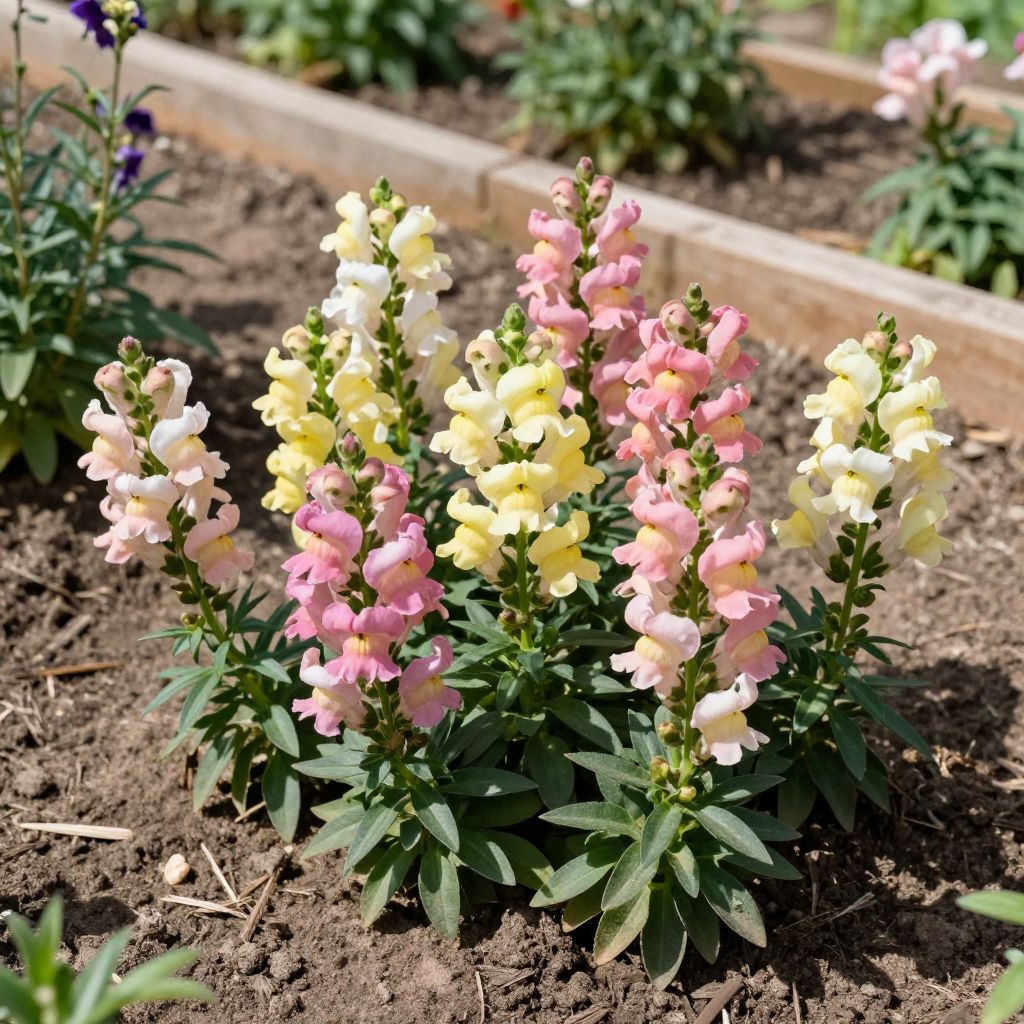
Do snapdragons need full sun? In most gardens, yes—snapdragons bloom best with plenty of light. But they can still grow and flower in partial sun, especially in cooler climates or during hot summers where afternoon shade helps protect them.
The key is balance: too little sun leads to weak stems and fewer blooms, while too much intense heat can shorten flowering. If you match light, soil, and watering to your conditions, snapdragons can be reliable, colorful cool-season flowers.
Do snapdragons need full sun?
Snapdragons (Antirrhinum majus) do best in full sun, meaning at least 6 hours of direct sunlight daily. In cooler regions, they can handle all-day sun and bloom heavily. In warmer areas, morning sun with light afternoon shade often produces healthier plants and longer-lasting flowers.
How much sun snapdragons really need
Snapdragons are cool-season annuals in many gardens, and their sun needs change with temperature. The more intense the sun and heat, the more likely they are to benefit from some afternoon protection.
Best light conditions by climate
- Cool climates: Full sun is usually ideal for strong growth and abundant flowering.
- Moderate climates: Full sun is still best, but light afternoon shade can help during warm spells.
- Hot climates: Morning sun and afternoon shade often keep plants blooming longer and reduce stress.
If your garden gets less than 4 hours of direct sun, snapdragons may grow, but they often become leggy and produce fewer flowers. They can survive in partial shade, but they usually won’t perform at their best.
What happens with too little sun?
- Long, floppy stems
- Fewer flower spikes
- Delayed blooming
- More susceptibility to mildew and rot because plants stay damp longer
What happens with too much heat and sun?
- Flowering may slow or stop in midsummer
- Leaves can scorch in very hot, exposed sites
- Plants may fade faster after their main bloom flush
Choosing the right planting spot
For the healthiest snapdragons, choose a site that gets bright light and good air movement. Sun exposure matters, but drainage and soil quality are just as important.
Ideal site conditions
- Sun: 6 to 8 hours of direct light, or morning sun with afternoon shade in hot areas
- Soil: Loose, fertile, and well-draining
- Airflow: Enough space around plants to dry foliage after rain or watering
Snapdragons do poorly in soggy beds. If your soil stays wet after rain, improve drainage before planting by raising the bed, mixing in compost, or choosing a better-drained location.
Container growing
Containers are a good option if your yard is too shady or too wet. Use a pot with drainage holes and a high-quality potting mix that drains well. Place the container where it will receive strong light, but move it if summer heat becomes intense.
Soil, compost, and drainage
Sunlight gets most of the attention, but snapdragons also need soil that supports steady growth. Rich, well-drained soil helps them make sturdy stems and more blooms.
What to aim for
- Mix compost into the top layer of garden soil to improve texture and fertility
- Avoid heavy clay that stays waterlogged unless it has been amended well
- Do not let mulch pile directly against stems
A light layer of compost at planting time is usually enough to get started. Overly rich soil can encourage soft, leafy growth instead of strong flowering, especially if plants are already getting less than ideal sun.
Watering snapdragons in sunny spots
Snapdragons like consistent moisture, but they do not want wet feet. In full sun, they may dry out faster, so check the soil regularly rather than watering by a fixed schedule.
How to water correctly
- Check the top inch of soil with your finger.
- If it feels dry, water deeply at the base of the plant.
- Let excess water drain away completely.
- Water early in the day when possible so leaves dry quickly.
Deep, less frequent watering is better than frequent light sprinkles. Wetting the foliage repeatedly can encourage disease, especially in shaded or crowded plantings.
How to keep snapdragons blooming longer
Even in full sun, snapdragons are often at their best in cool weather. With a few simple care steps, you can extend their display and keep them looking tidy.
Deadheading and trimming
- Remove spent flower spikes to encourage more side shoots and additional blooms.
- Cut stems back lightly if plants become tall and sparse.
- Use clean pruners or snips to make neat cuts just above a leaf node.
Deadheading is especially helpful after the first big flush of flowers. In many gardens, this can prompt a second round of blooming while weather is still mild.
Support for tall varieties
Some snapdragons grow tall enough to lean, especially in rich soil or when they receive less than full sun. If stems flop, use discreet stakes or grow them in a sheltered spot where wind will not whip them around.
Common problems linked to sunlight
When snapdragons struggle, the cause is often related to light, heat, or moisture working together. Reading the plant’s growth habit can help you adjust conditions before problems worsen.
Leggy growth
Leggy snapdragons usually need more light. Move container plants to a sunnier location, or thin nearby plants that are shading them. If they are already stretched, pinch or cut them back lightly to encourage bushier growth.
Poor flowering
Few blooms can mean too much shade, too much nitrogen, or heat stress. Make sure the plant gets enough sun, and avoid overfeeding with high-nitrogen fertilizer, which pushes leaves instead of flowers.
Powdery mildew and leaf issues
Shaded, crowded, or poorly ventilated snapdragons are more likely to develop fungal problems. Give plants room to breathe, water at the soil line, and remove diseased leaves promptly.
Growing snapdragons in different seasons
Snapdragons are often treated as cool-season flowers because they perform best in spring and fall. In many areas, they bloom heavily before summer heat arrives and may return with fresh growth when temperatures cool again.
Spring planting
Plant snapdragons when soil is workable and temperatures are still mild. Young plants establish quickly in bright sun, and cool nights often help them flower well.
Summer care
In hot weather, full sun may be too intense in some regions. If plants fade, trim them back lightly, keep them watered, and give them afternoon shade if possible. Some gardeners replace tired plants with heat-loving annuals until cooler weather returns.
Fall planting
Fall can be an excellent time for snapdragons in mild climates. Cooler temperatures and gentler sunlight often produce strong color and long-lasting blooms.
Propagation and starting new plants
If you want more snapdragons, you can start them from seed or buy transplants. Seed-grown plants take longer to mature, but they are a good choice when you want many plants at low cost.
Seed-starting basics
- Use a fine seed-starting mix with good drainage.
- Keep the surface evenly moist, not soggy.
- Provide bright light after germination so seedlings do not stretch.
Seedlings that receive weak light indoors often become thin and weak before they ever reach the garden. If you start them inside, give them strong light from a bright window or grow light and harden them off gradually before planting outdoors.
Practical mistakes to avoid
- Planting snapdragons in deep shade and expecting heavy bloom
- Overwatering in cool weather or heavy soil
- Letting plants dry out completely in hot sun
- Skipping deadheading and allowing plants to become untidy and exhausted
- Overcrowding, which reduces airflow and increases disease risk
Bottom line: the best light for snapdragons
Snapdragons need full sun for the best flowering, but they can adapt to partial sun, especially where summers are hot. Aim for at least 6 hours of direct light, good drainage, and steady moisture, then adjust for your local climate if afternoon shade helps.
If you want to improve your snapdragon display, start by checking your planting spot for sun exposure and drainage, then deadhead faded blooms to keep new flowers coming. For more flower-growing help, you may also want to read about how to grow annual flowers in containers and choosing the best soil for garden beds.