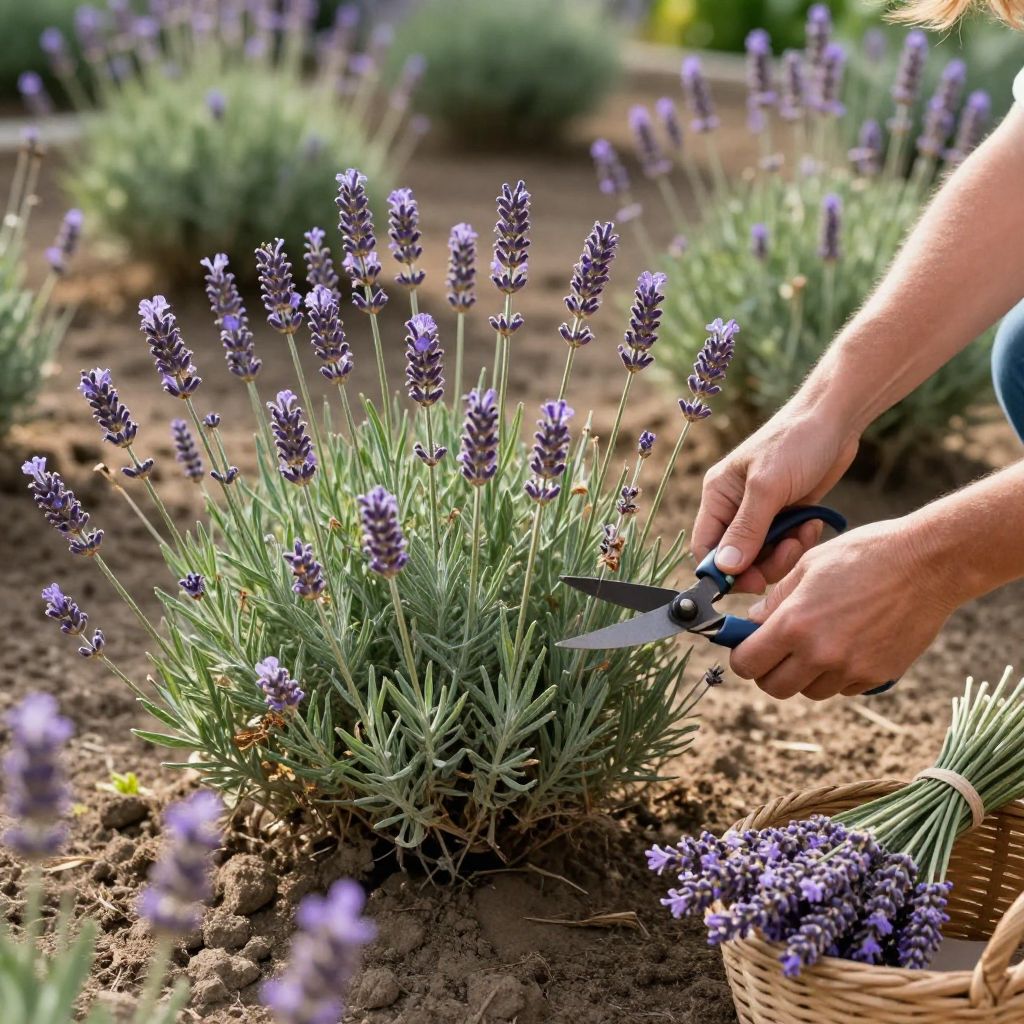
When is it too late to harvest lavender? If you want the best fragrance, color, and drying quality, timing matters more than almost anything else. Lavender can still be cut after peak bloom, but once the flowers are faded, woody, or dropping petals, the stems are less useful for bunches, sachets, and essential-oil-style fragrance use.
The good news is that you usually have a wide harvest window. With a little observation, you can pick lavender at the right stage, avoid damaging the plant, and still leave enough growth for healthy regrowth and pruning later in the season.
When is it too late to harvest lavender?
It is generally too late to harvest lavender for the best scent and drying quality once most flower heads have faded, turned brown, or begun shedding petals. You can still cut stems for light use, but the fragrance will be weaker and the bunches will look less fresh. For the best results, harvest when about half to three-quarters of the florets on a stem are open.
How to tell if lavender is still worth harvesting
Look closely at the flower spikes, not just the plant as a whole. Lavender is at its best when the buds are colorful and just opening, because that is when the essential oils are strongest and the stems hold their shape well.
Good signs it is still time
- Most flower spikes still have purple, blue, or pink color.
- Only the lower florets are open, while the top remains in bud.
- The flowers feel dry but not brittle.
- Bees are active, but the spikes are still full and fresh-looking.
Signs it is too late
- Many florets are brown, gray, or faded.
- Petals fall off when you touch the stem.
- The flower heads feel papery and thin.
- Seed formation is underway and the display looks spent.
Best rule of thumb: if the flower spike looks tired in the garden, it will usually dry into a tired-looking bunch too.
What happens if you harvest lavender late?
Late-harvested lavender is not harmful to the plant in most cases, but the quality of the cut stems drops. You may notice less fragrance, less color, and more shattering when the flowers dry. For ornamental use, that means shorter vase life and weaker dried arrangements.
There is also a plant-care angle. If you wait too long and then cut back heavily, you may remove growth the plant was already using to prepare for dormancy or next season’s structure. That is why timing matters both for the harvest and for the plant’s long-term shape.
Best time of day and season to harvest lavender
Harvest lavender on a dry day after the morning dew has evaporated, usually late morning or early afternoon. Wet stems dry poorly and are more likely to mold during storage.
Seasonally, the main harvest is usually during peak bloom in summer, though the exact timing depends on your climate, variety, and local weather. In warmer regions, lavender may bloom earlier and longer. In cooler areas, flowering can be later and more compressed.
How climate changes the harvest window
- Hot, dry climates: flowers may open quickly, so check plants often.
- Cooler climates: bloom may last longer, but rain can shorten the usable window.
- Coastal or humid areas: watch for mildew and harvest promptly once spikes are ready.
How to harvest lavender correctly
Cutting lavender properly helps preserve both the plant and the stems you want to use. Use clean, sharp pruners or snips and avoid tearing the woody stems.
- Choose stems with mostly open florets and healthy color.
- Cut in the morning after dew dries.
- Take stems back to just above leafy growth, not deep into old woody wood.
- Gather stems loosely into small bundles for drying.
- Leave enough green growth on the plant for recovery and future shaping.
Do not cut into leafless woody stems if you can avoid it. Lavender often resprouts poorly from old wood, especially if the plant is already stressed or mature.
How much to take
If you are unsure, harvest only part of the plant. A light to moderate cut is safer than a hard late-season cut, especially on young plants or plants that have not been pruned regularly.
- Take a portion of the flower stems from each plant rather than stripping one side bare.
- Leave plenty of foliage so the plant can keep photosynthesizing.
- Stop if the plant looks sparse, weak, or heat-stressed.
Can you still use lavender if it is past peak?
Yes, but adjust your expectations. Later-harvested lavender can still be useful for low-key decorative drying, informal bundles, or garden cleanup. It is simply less ideal for high-fragrance or high-visual-impact uses.
Best uses for late-harvested stems
- Loose dried bunches for a rustic look
- Compost, if the stems are too faded for display
- Garden trimming to tidy spent flower spikes
- Light pruning to encourage a neater shape
If the flower heads are mostly brown, the stems are usually better treated as spent blooms than as premium harvest material.
What to do if you missed the ideal harvest window
If you missed peak bloom, do not panic. Lavender is resilient, and a late cut can still help tidy the plant. The main goal is to avoid stressing it with a severe cut at the wrong time.
Practical salvage plan
- Remove only the worst-looking spent flower spikes.
- Trim lightly to shape the plant after flowering.
- Leave healthy green growth intact.
- Skip major pruning if the plant is already dealing with drought, heat, or disease.
If you are in a region with early frost, avoid late heavy pruning. In that case, it is usually better to leave some growth in place and wait for proper pruning timing in the next season.
Growing conditions that affect harvest timing
Healthy lavender reaches harvest quality faster and more evenly than stressed plants. Good growing conditions also make it easier to predict bloom time and avoid missing the window.
Sunlight and drainage
Lavender performs best in full sun and sharply drained soil. Poor drainage can delay growth, reduce flowering, and increase the risk of root problems. If your soil stays wet, consider raised beds, mounds, or container growing.
Soil and compost
Lavender prefers lean to moderately fertile soil. Too much rich compost or heavy feeding can produce lush foliage with fewer flowers. A small amount of well-rotted compost at planting is usually enough in many gardens, but avoid overdoing it.
Watering
Once established, lavender is fairly drought-tolerant, but it still needs regular watering during establishment and during prolonged dry spells. Overwatering can weaken flowering and increase disease risk, especially in heavy soil or containers.
Pruning and maintenance after harvest
After harvesting, a light trim can help keep lavender compact and encourage a tidy shape. The key is to prune with restraint.
- Remove spent flower stems back to leafy growth.
- Do not cut hard into old bare wood.
- Shape the plant lightly after flowering if needed.
- Save major structural pruning for the right season in your climate.
Regular, gentle pruning helps prevent the plant from becoming leggy and reduces the chance that you will end up with a late, awkward harvest next year.
Common problems that make lavender harder to harvest on time
A few issues can shorten the harvest window or reduce flower quality. Catching them early helps you get better stems and healthier plants.
Too much shade
Lavender grown in shade often blooms sparsely and unevenly. If flowering is weak, move container plants to a sunnier spot or thin nearby plants that are blocking light.
Poor drainage
Wet feet can lead to root decline and fewer flowers. If the plant looks stunted or yellowing, improve drainage before expecting a reliable harvest.
Powdery mildew or rot
Humid conditions and crowded planting can encourage fungal problems. Space plants well, water at the base, and remove badly affected growth promptly.
Old, woody plants
Very mature lavender can flower less vigorously and be harder to harvest neatly. Light renovation, proper pruning, or replacement may be the best long-term solution.
Quick checklist: should you harvest now?
- The flowers are mostly open but not fully faded.
- The stems are dry and clean, not wet or moldy.
- You can cut without taking the plant back into bare wood.
- The plant is healthy enough to handle a light harvest.
- You want the stems for drying, display, or light garden cleanup.
Conclusion: don’t wait for lavender to look exhausted
If you are wondering when is it too late to harvest lavender, the safest answer is: once the blooms are faded, brittle, and dropping, you have missed the best window for fragrance and drying quality. You can still trim the plant, but the stems will be less useful.
Check your plants regularly during bloom, harvest on a dry morning, and cut only into healthy leafy growth. If you want more practical help with timing and plant care, keep observing your lavender closely through the season and plan your next pruning before the flowers are fully spent.