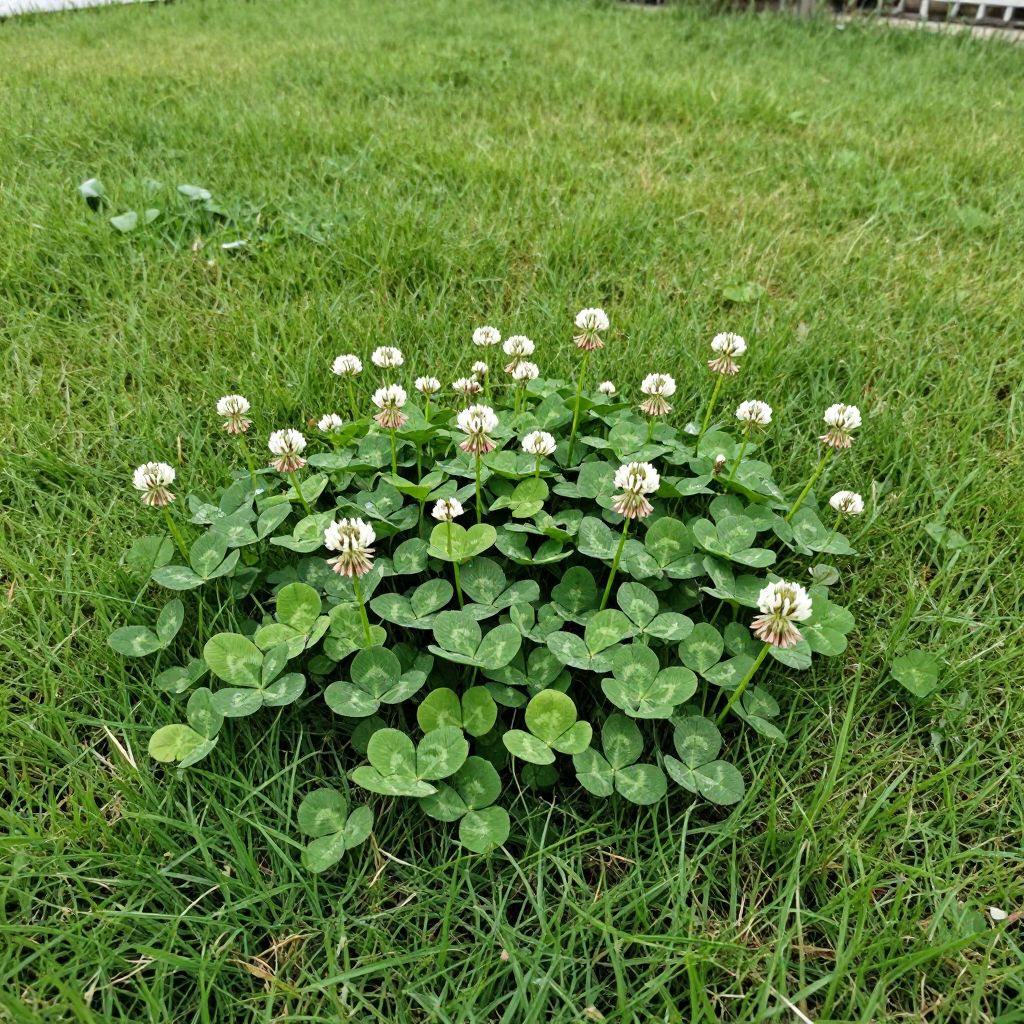
Are clovers weeds, or are they useful plants that just happen to show up where you didn’t plant them? The honest answer is that clover can be either, depending on where it’s growing and what you want from the space. In lawns, beds, and paths, clover is often treated as a weed because it spreads quickly and competes with turf.
But clover can also be a beneficial ground cover, a soil-improving plant, and a nectar source for pollinators. If you know how to identify it, manage it, or use it intentionally, you can decide whether to remove it, tolerate it, or grow it on purpose.
Are clovers weeds?
Clovers are not automatically weeds. They are low-growing legumes in the Trifolium genus, and they become “weeds” mainly when they appear where you don’t want them, such as a manicured lawn or a formal flower bed. In the right place, clover can be a useful, low-maintenance plant.
What clover is and why it shows up in gardens
Most garden clover you’ll notice is white clover (Trifolium repens) or red clover (Trifolium pratense). White clover is the one most often found in lawns because it spreads by creeping stems and tolerates mowing well.
Clover often appears in places where the soil is compacted, low in nitrogen, or thin from stress. That does not mean clover is “fixing” a problem by itself, but it does mean your site conditions may be favoring it over grass or other plants.
Why gardeners sometimes like clover
- It can help cover bare soil.
- It supports bees and other pollinators when it flowers.
- It can add nitrogen to the soil through a relationship with root bacteria.
- It stays green in conditions where turf may struggle.
Why gardeners sometimes remove it
- It can spread into lawns and beds.
- It may look untidy in formal spaces.
- It competes with young lawn grass and some ornamentals.
- It can be slippery in play areas when flowering and dense.
How to tell clover from other lawn weeds
Clover has three leaflets on each leaf, often with a pale crescent or chevron marking. It grows low and spreads outward, and mature plants may produce round flower heads that are white, pink, or reddish depending on the species.
Do not confuse clover with oxalis or wood sorrel, which also has three leaflets but is a different plant. Oxalis usually has heart-shaped leaflets and a more delicate, shamrock-like look. Correct identification matters because control methods are similar in some cases but not always identical.
Quick identification checklist
- Three leaflets per leaf
- Low, spreading growth habit
- Rounded flower clusters
- Often a pale mark on the leaflets
- Common in lawns, paths, and disturbed soil
Should you keep clover or get rid of it?
The best choice depends on your goal. If you want a neat lawn, clover is usually considered a weed. If you want a pollinator-friendly, lower-input ground cover, clover can be a smart plant to keep or even sow intentionally.
Ask yourself three questions: Do you mind a mixed lawn? Do you want fewer inputs? Do you need a tougher plant for dry or compacted spots? Your answers will tell you whether clover is a problem or a feature.
Keep clover if you want:
- A more natural-looking lawn
- Pollinator value during bloom
- Less bare soil in thin areas
- A low-growing companion in a relaxed landscape
Remove clover if you want:
- A uniform turfgrass lawn
- Strictly defined borders in beds
- Less spread into ornamental areas
- Better control over the look of the garden
Growing clover on purpose
If you decide clover belongs in your garden, give it the same basic care you would give any ground cover: the right site, decent drainage, and enough moisture to establish. Clover generally prefers full sun to light shade and soil that is not waterlogged.
It is most often grown as a lawn companion, a cover crop, or a temporary green manure. For home gardeners, white clover is the most common choice for lawns and mixed turf areas because it stays low and spreads readily.
Best conditions for clover
- Sunlight: full sun is best, though light shade is usually tolerated
- Soil: average to moderately fertile soil
- Drainage: well-drained soil is important
- Moisture: consistent moisture for establishment, then moderate watering as needed
- pH: clover usually adapts to a range, but extreme acidity or alkalinity can reduce vigor
How to sow clover
- Clear the area of existing weeds and loosen the top layer of soil if needed.
- Rake the surface so seed can contact the soil.
- Scatter seed evenly according to the packet directions for the species you choose.
- Lightly rake again or press the seed in so it is not buried too deeply.
- Water gently to keep the surface evenly moist until germination.
Do not bury clover seed deeply. Like many small seeds, it germinates best near the soil surface with good seed-to-soil contact.
How to care for clover in the garden
Clover is relatively easy to maintain once established, but it still benefits from basic care. The biggest mistakes are poor drainage, overwatering, and expecting it to behave like a formal perennial border plant.
Watering
Water newly sown clover often enough to keep the top layer of soil from drying out. Once established, clover usually needs less water than many lawn grasses, but it still performs better with occasional deep watering during dry spells.
Watch the plant and the soil rather than following a fixed schedule. If the top inch of soil is dry and the clover is wilting or thinning, it is time to water.
Mowing and trimming
If you are growing clover in a lawn, mow based on your desired look and the surrounding grass, not on a strict clover schedule. Clover tolerates mowing well, but frequent close cutting can reduce flowering.
For mixed areas, trimming after bloom can keep clover from setting too much seed if you want to limit spread. If you want pollinator value, let some flowers remain.
Fertilizer and soil care
Clover does not usually need heavy feeding. In fact, high nitrogen fertilizer often favors grass over clover and can shift the balance in a mixed lawn. If you are growing clover intentionally, focus first on soil structure and drainage rather than feeding.
Adding a thin layer of compost can improve weak soil, but avoid smothering low-growing clover with thick mulch. In beds, keep mulch pulled back from crowns so the plant can breathe.
How to remove clover from lawns and beds
If clover is unwanted, the most effective approach is to remove the plant and fix the conditions that favor it. Simply pulling visible growth without improving the site often leads to repeat infestations.
Hand removal
Small patches can be dug out by hand, especially after watering or rain when the soil is soft. Remove as much of the rooted stem as possible, because pieces left behind can regrow.
This works best in beds and small lawn patches. In a larger lawn, hand removal is practical only for spot treatment.
Smothering and competition
In beds, a dense layer of mulch can suppress new clover seedlings if applied correctly over clean soil. In lawns, improving turf density through overseeding, proper mowing height, and better drainage can reduce clover over time.
A healthy, thick lawn is one of the best long-term defenses against clover invasion.
Herbicide considerations
If you choose a herbicide, read the label carefully and confirm it is safe for your turfgrass or ornamentals. Clover is a broadleaf plant, so selective broadleaf lawn herbicides may work in turf, but they should never be used casually around garden plants.
Always follow local regulations and label instructions. For many home gardeners, cultural control plus hand removal is safer and often enough.
Common problems with clover
Clover is generally tough, but it can still run into problems if the site is wrong. Most issues are tied to too much shade, poor drainage, drought stress, or repeated damage from foot traffic and mowing.
Thin or patchy growth
Patchiness often means the site is too shaded, too dry, or too compacted. Loosen compacted soil where possible, improve drainage, and reduce competition from aggressive grass or weeds.
Yellowing leaves
Yellowing can happen from poor drainage, nutrient imbalance, or stress from heat and drought. Check the soil before adding fertilizer. If the ground stays wet for long periods, drainage is likely the real issue.
Too much spreading
If clover is moving where you do not want it, edge beds clearly, mow before it flowers, and remove runners or patches early. The sooner you act, the easier it is to keep it contained.
Is clover good for pollinators and soil?
Yes, clover can be useful in both areas. Its flowers provide nectar and pollen for bees, and as a legume it can contribute to nitrogen cycling in the garden when managed as a cover crop or living ground cover.
That said, clover is not a magic soil fix. It will not replace good soil preparation, drainage, or thoughtful plant selection. Think of it as one helpful tool, not a complete solution.
Practical tips to decide what to do next
- Keep clover if you want a softer, more natural lawn look.
- Remove clover if you want a uniform turf or formal bed design.
- Improve compacted soil if clover keeps returning in the same spot.
- Use mulch and edging to protect beds from spread.
- Let some blooms stay if pollinators are a priority.
Conclusion
So, are clovers weeds? They can be, but only in the context of your garden goals. In the right place, clover is a useful, low-growing plant that can support pollinators and cover bare ground. In the wrong place, it may need to be removed or managed.
Take a close look at where it’s growing, decide whether you want to keep it, and then use the right strategy: encourage it, contain it, or remove it. If you want to learn more about lawn balance and low-input planting, related reading on organic lawn care and pollinator-friendly ground covers can help you choose the best approach for your yard.