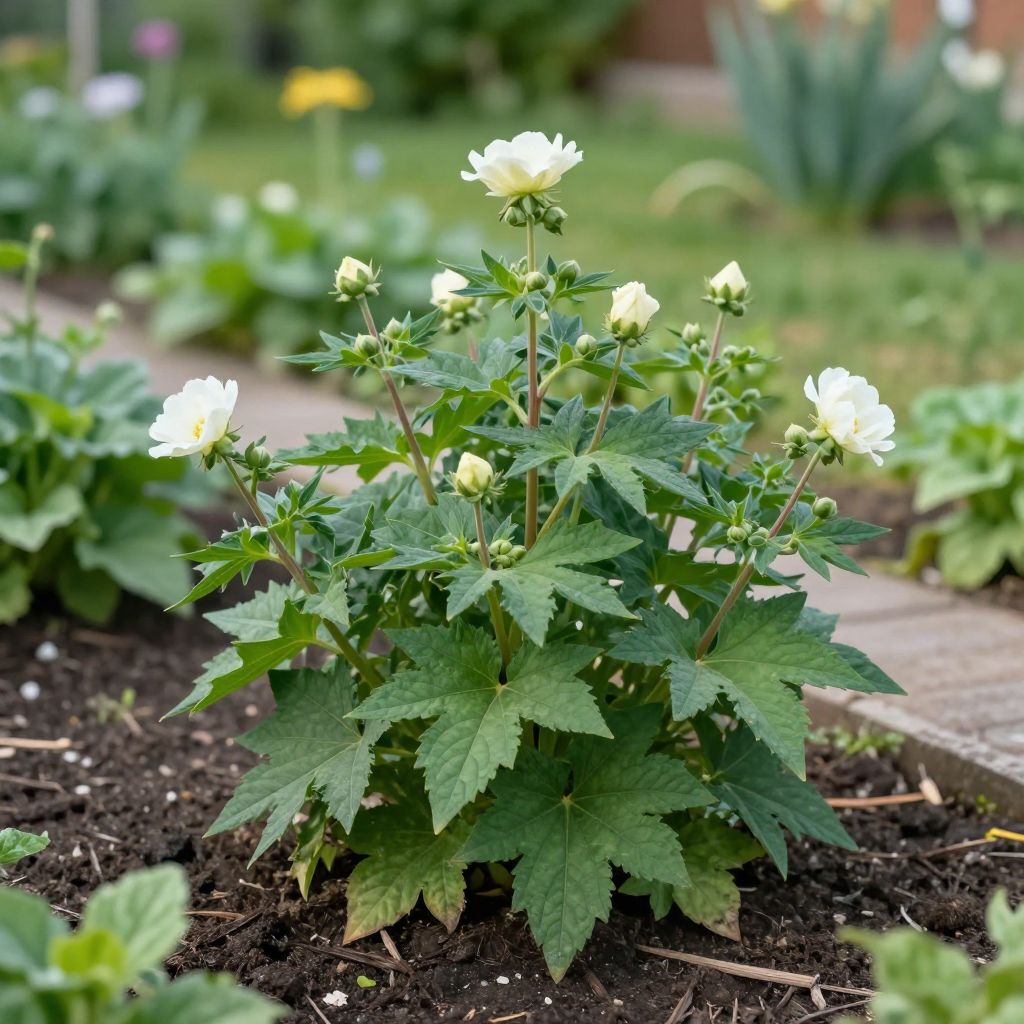
When does flowering start outdoor? The short answer is: it depends on the plant, your climate, and the amount of daylight and warmth your garden gets. Some outdoor plants begin flowering in early spring, while others wait until summer, late summer, or even fall.
If you want reliable blooms, the key is understanding what triggers flowering for your specific plant. Temperature, day length, plant maturity, pruning, and stress all affect when buds form and open outdoors.
When does flowering start outdoor?
Outdoor flowering usually starts when a plant has enough maturity, the right temperatures, and the correct light conditions for its species. In many gardens, spring-flowering plants bloom as soon as days warm up, while summer annuals and perennials flower later after steady growth. Some plants need long days, others short days, and some simply need time.
What affects outdoor flowering time?
There is no single calendar date for flowering outdoors because each plant responds differently to the season. The same plant may bloom weeks earlier in a warm, sheltered yard than in a cool, windy one.
1. Temperature
Most flowering plants need a certain amount of warmth before buds develop. Cold soil and cool nights slow growth, while extended heat can speed up or shorten bloom periods in some species.
2. Day length
Some plants bloom when daylight reaches a certain length, while others flower as days shorten. This is why you may see different bloom times even within the same season.
3. Plant age and size
Young plants often focus on roots and leaves first. A plant may not flower until it is mature enough to support blooming, especially if it was grown from seed.
4. Sunlight
Insufficient sun is one of the most common reasons flowering is delayed outdoors. Many flowering plants need at least 6 hours of direct sun, though some shade-tolerant species need less.
5. Water and nutrients
Too much water, poor drainage, or excess nitrogen can push leafy growth instead of flowers. On the other hand, drought stress can cause buds to drop before opening.
Typical outdoor flowering seasons by plant type
To answer “when does flowering start outdoor” more precisely, it helps to group plants by season. These are general patterns, not fixed rules, because local weather can shift bloom times earlier or later.
Spring-flowering plants
Many bulbs, shrubs, and early perennials begin flowering in spring as temperatures rise. These plants often set buds the previous season and open quickly once conditions improve.
- Tulips and daffodils often bloom in early to mid-spring.
- Forsythia and lilac usually flower in spring, depending on climate.
- Peonies and iris often bloom in late spring.
Summer-flowering plants
Annuals and many perennials start flowering after they have built enough foliage and roots. In cooler climates, this may be late spring or early summer; in hotter regions, some will bloom continuously through summer.
- Zinnias, marigolds, and cosmos often flower from early summer onward.
- Roses may begin in late spring and repeat through the season.
- Daylilies commonly bloom in early to midsummer.
Late-summer and fall-flowering plants
Some plants are naturally later bloomers and may not show flowers until days begin shortening. These are valuable for extending color in the garden.
- Japanese anemones often bloom in late summer to fall.
- Asters and chrysanthemums usually flower in late summer or autumn.
- Many sedums bloom in late summer.
How to tell if your outdoor plant is ready to flower
If your plant is healthy but not blooming, look for signs that it is still maturing or missing a key growing condition. Bud formation often starts before flowers are visible, so a close check can help you spot what is happening.
- Healthy new growth: The plant is actively growing leaves and stems.
- Firm stems and full size: It has reached a mature, established shape.
- Bud swell: Small rounded buds may be forming at leaf joints or stem tips.
- Enough sun: The plant is not stretched, pale, or leaning hard toward light.
- Balanced feeding: It is not overloaded with nitrogen-rich fertilizer.
How to encourage flowering outdoors
If you want blooms to start sooner or more reliably, focus on the growing conditions that support bud production. Small changes in placement and care often make a big difference.
Give the right amount of sun
Move containers, thin nearby plants, or choose a brighter planting site if your flowering plant is in shade longer than it should be. Sun-loving plants usually bloom best with strong direct light.
Improve soil and drainage
Most flowering plants do best in loose, well-drained soil enriched with compost. Heavy, waterlogged soil can slow roots and reduce bloom quality.
If your garden soil stays wet after rain, mix in organic matter and consider raised beds or mounded planting areas.
Water deeply, not constantly
Consistent moisture helps buds develop, but soggy roots can reduce flowering. Water when the top layer of soil begins to dry, then soak deeply so roots grow downward.
Avoid too much nitrogen
High-nitrogen fertilizer often produces lots of leaves and fewer flowers. If a plant is lush but not blooming, a more balanced feeding approach may help, depending on the species and soil test results.
Prune at the right time
Pruning can either encourage flowering or remove next season’s buds, depending on the plant. Spring bloomers are often pruned after flowering, while many summer bloomers can be shaped before active growth begins.
Common reasons outdoor flowering is delayed
When flowering starts outdoor later than expected, the cause is often environmental rather than a serious disease. A few common issues can hold a plant back for weeks or longer.
Too much shade
Plants that need full sun may survive in partial shade but bloom poorly. If possible, transplant them to a brighter location in the dormant season or early growth stage.
Overfeeding with nitrogen
Excess fertilizer can keep a plant in leafy growth mode. If you suspect this, pause feeding and switch to a product better suited to flowering plants, following label directions.
Recent transplant shock
Newly planted shrubs, perennials, and seedlings often spend time establishing roots before blooming. This is especially common after moving a plant from a nursery pot into the ground.
Improper pruning
Cutting off flower buds before they open is a frequent mistake. If you are unsure, identify whether your plant blooms on old wood or new wood before pruning.
Weather stress
Late frosts, heat waves, drought, or prolonged rain can all delay flowering. Some buds may also drop if the plant is under stress during bud formation.
Outdoor flowering care by season
Seasonal care helps you support blooms from the start of the year through the end of the growing season. Match your tasks to the plant’s growth stage and local weather.
Early spring
- Remove winter damage and dead stems where appropriate.
- Check soil drainage after snowmelt or heavy rain.
- Apply compost around established plants if the soil is poor.
- Watch for early pests on tender new growth.
Late spring to summer
- Water deeply during dry spells.
- Deadhead spent flowers to encourage repeat blooming where suitable.
- Stake tall flowering plants before they flop.
- Keep weeds down so they do not compete for water and light.
Late summer to fall
- Continue deadheading if the plant reblooms.
- Reduce stress from drought and heat.
- Leave some seed heads if you want wildlife value or self-seeding.
- Prepare tender plants for cooler nights and shorter days.
Propagation and planting tips for better blooms
If you are starting from seed, division, or nursery plants, the method you choose affects how soon flowering begins outdoors. Faster establishment usually means earlier bloom potential.
Starting from seed
Seed-grown plants often take longer to flower than transplants. Sow at the right time for your climate, and do not overcrowd seedlings, since crowding can delay growth.
Planting transplants
Container-grown plants usually bloom sooner because they are already partially mature. Harden them off before planting outdoors so they adjust to sun, wind, and temperature changes.
Dividing perennials
Dividing mature plants can rejuvenate growth, but some species may pause flowering for a season while re-establishing roots. Divide only when the plant is suited to it and when soil conditions are workable.
Pests and diseases that can affect flowering
Insects and disease do not always stop flowering completely, but they can reduce bud quality and shorten bloom time. Check plants regularly, especially during active growth.
- Aphids: Can distort buds and tender stems.
- Thrips: May damage petals and unopened buds.
- Powdery mildew: Can weaken foliage and reduce vigor.
- Root rot: Often caused by poor drainage and can prevent flowering entirely.
Use clean pruning tools, remove badly affected growth, and improve airflow around crowded plants. If the problem is severe, identify the pest or disease before treating so you do not worsen the issue.
Quick troubleshooting checklist
If your outdoor plant is not flowering when you expected, work through this simple checklist before making major changes.
- Confirm the plant’s normal bloom season.
- Check whether it gets enough direct sun.
- Look for signs of buds, pests, or disease.
- Review recent pruning to see if buds were removed.
- Assess soil drainage and watering habits.
- Consider whether the plant is still too young or recently transplanted.
Conclusion
So, when does flowering start outdoor? It starts when the plant has the right combination of maturity, light, temperature, and care for its species. If bloom time is delayed, adjust sun exposure, drainage, watering, and pruning first, because those are the most common reasons outdoor flowering stalls.
For more practical help, you may also want to read about how to deadhead flowers for longer bloom and choosing the best soil for flowering plants.