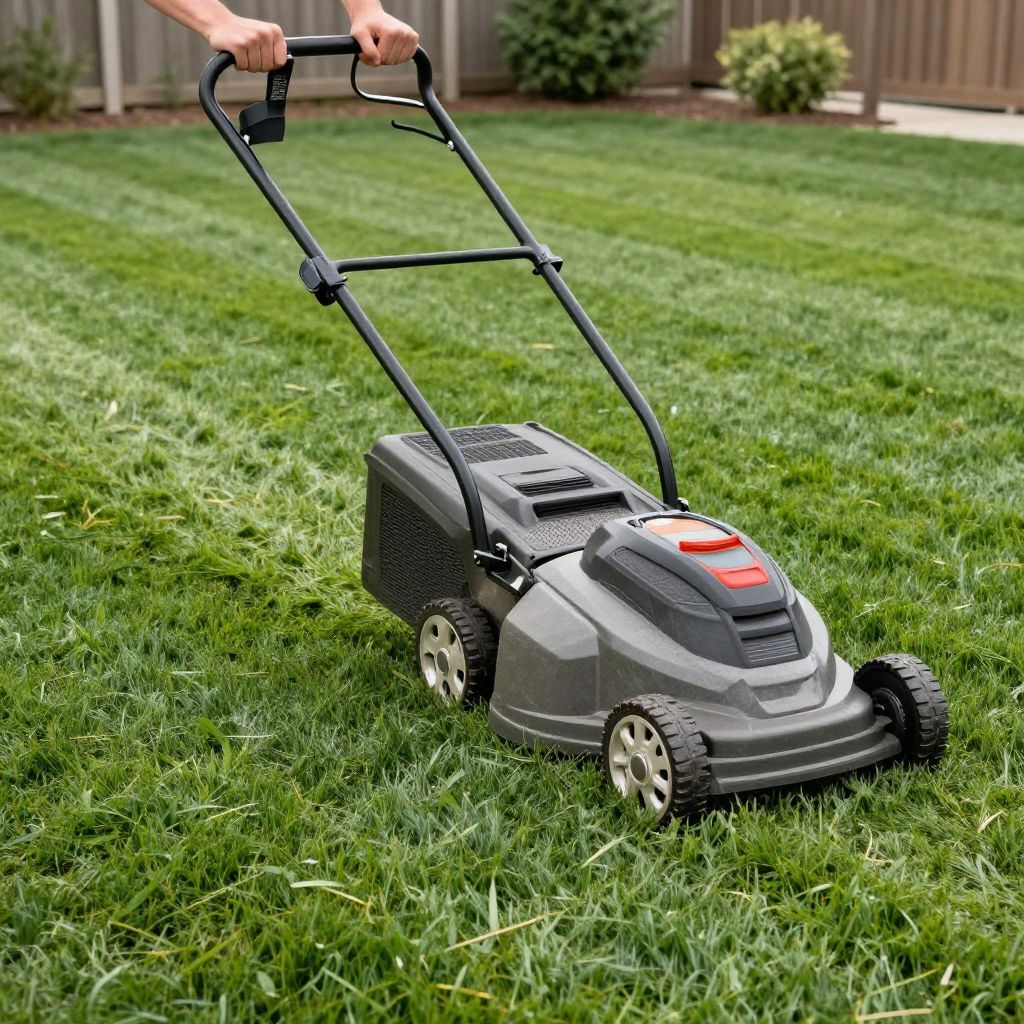
Are electric lawn mowers good? For many home gardens, yes: they’re quiet, low-maintenance, and easy to start, with no gas mixing or exhaust fumes. The best choice depends on your lawn size, grass type, slope, and how often you mow.
If you’re deciding between electric and gas, the real question is whether an electric mower can handle your yard comfortably. In the right conditions, it can be an excellent tool for regular lawn care and a cleaner option for routine mowing.
Are electric lawn mowers good?
Yes—electric lawn mowers are good for many homeowners, especially if you mow regularly and have a small to medium lawn. They’re simpler to maintain than gas mowers, start instantly, and are usually quieter. Their main limits are battery runtime, charging time, and reduced performance in very tall or wet grass.
What electric mowers do well
Electric mowers shine when you want convenience and consistent mowing. They’re especially useful for tidy suburban lawns, smaller gardens, and anyone who prefers less upkeep between cuts.
Key advantages
- Easy starting: No pull cord, choke, or fuel priming.
- Lower maintenance: Fewer moving parts than gas mowers.
- Quieter operation: Helpful in neighborhoods where noise matters.
- No on-site fuel storage: Useful if you want a cleaner shed or garage.
- Cleaner mowing experience: No exhaust fumes while you work.
Where they fit best
Electric mowers are usually a strong match for lawns with moderate growth, fairly even terrain, and regular mowing. If you keep grass at a manageable height, the mower has less strain and the cut stays neater.
Where electric lawn mowers can fall short
Electric mowers are not ideal for every garden. Their performance depends on the mower type, battery capacity or cord length, and the condition of your lawn.
Common limitations
- Battery runtime: Larger lawns may take more than one charge or battery.
- Cord management: Corded models require careful planning around outlets and obstacles.
- Heavy growth: Very tall, damp, or dense grass can slow the mower down.
- Steep slopes: Some models feel less stable or harder to push uphill.
- Deck width and power: Smaller mowers may take longer on larger lawns.
If your lawn often gets overgrown because of weather or a busy schedule, an electric mower can still work, but you may need to mow more often or cut in stages.
How to choose the right electric mower for your garden
The best mower is the one that matches your lawn, not just your budget. Start by thinking about lawn size, access to power, storage space, and how much trimming you want to do afterward.
Battery vs. corded electric
- Corded mowers work well for smaller lawns near outdoor outlets. They can run as long as you have power, but the cord takes practice.
- Cordless battery mowers give more freedom and are easier around trees, beds, and paths. Runtime depends on battery size, grass thickness, and mowing speed.
Features worth considering
- Cutting width: Wider decks can reduce mowing time on larger lawns.
- Height adjustment: Useful when you need to raise the cut during hot, dry weather.
- Mulching, bagging, or side discharge: Choose the option that suits your lawn care style.
- Self-propelled drive: Helpful on slopes or if you want less pushing effort.
- Battery compatibility: If you already own tools from the same brand, shared batteries can be convenient.
How to get the best results from an electric mower
Good results depend as much on mowing habits as on the mower itself. A well-maintained lawn is easier to cut, looks better, and puts less strain on the machine.
Before you mow
- Clear sticks, stones, toys, and garden debris from the lawn.
- Check that the blade is sharp and the deck is clean.
- Make sure the grass is dry enough to cut cleanly.
- Set the cutting height based on the season and grass condition.
During mowing
- Cut no more than about one-third of the grass blade at a time.
- Overlap passes slightly for an even finish.
- Slow down in thicker patches so the mower can keep up.
- Change direction occasionally to reduce ruts and leaning grass.
Tip: If the mower starts leaving clumps or struggling, raise the cutting height and make a second pass later rather than forcing one very low cut.
Seasonal care and mowing conditions
Electric mowers work best when you adapt to the season. Grass growth changes with temperature, rainfall, and soil moisture, so the mower should be used as part of a flexible lawn routine.
In spring and early summer
When grass is growing quickly, you may need to mow more often. Keep the blade sharp and avoid cutting too short, especially if the lawn is still recovering from winter damage or soggy soil.
In hot or dry weather
Raise the cutting height a little to help shade the soil and reduce stress on the grass. Mowing too low in heat can leave the lawn thin and more prone to browning.
In wet weather
Wet grass can clog the deck, reduce battery efficiency, and leave an uneven cut. If the lawn is muddy or the blades are wet, wait until conditions improve. This protects both the grass and the mower.
Common problems and how to fix them
Most electric mower issues are practical rather than complicated. A few simple adjustments can solve many of the most common frustrations.
The mower stops too soon
For battery mowers, runtime may be shorter in thick grass or on steep ground. Try cutting when the lawn is drier and less overgrown, or use a second battery if your model supports one.
The cut looks ragged
A dull blade is often the cause. Sharpen or replace the blade as needed, and avoid mowing when the grass is wet. Also check that you are not trying to cut too much height in one pass.
The mower bogs down
This usually happens in long, dense, or damp grass. Raise the deck, slow your walking speed, and mow more frequently so the lawn never gets too tall.
Edges and corners still need work
Most lawns need a trimmer or edging tool for borders, around trees, and near beds. An electric mower can handle the main lawn, but finishing tools still matter for a neat look.
Maintenance tips for electric lawn mowers
One of the biggest advantages of electric mowers is simple upkeep. Regular care keeps them cutting well and helps them last longer.
Basic maintenance checklist
- Clean grass clippings from the deck after use.
- Inspect the blade regularly for dullness or damage.
- Store batteries according to the manufacturer’s guidance.
- Keep vents and housing clear of debris.
- Check wheels, handles, and fasteners for looseness.
If you use a corded mower, inspect the cord before each use for wear or damage. If you use a battery mower, avoid storing batteries in extreme heat or cold for long periods.
Are electric lawn mowers good for different lawn sizes?
They can be, but size matters. Smaller lawns are the easiest fit, while medium lawns depend on battery capacity or cord setup. Very large lawns may still be manageable with electric equipment, but you’ll want to compare runtime, charging time, and cutting width carefully.
Best fit by lawn type
- Small lawns: Often an excellent match, especially with a corded or compact battery mower.
- Medium lawns: Usually practical with a good battery mower and a spare battery.
- Large lawns: Possible, but runtime and charging logistics become more important.
- Rough or overgrown lawns: Manageable only if you mow often enough to prevent heavy buildup.
When an electric mower is the smarter choice
An electric mower is often the smarter choice if you want less maintenance, quieter mowing, and a cleaner routine. It’s especially appealing if you already maintain your lawn regularly and don’t want to deal with fuel, oil changes, or difficult starts.
Choose electric if you value convenience, have a lawn size it can comfortably handle, and are willing to mow more consistently. Choose another type if your yard is very large, frequently overgrown, or far from easy charging access.
Final verdict
So, are electric lawn mowers good? Yes, for many gardeners they are an excellent, practical option. They work best when matched to the right lawn size and used with good mowing habits. If you want a simpler, quieter way to keep your lawn tidy, an electric mower is worth serious consideration.
For related lawn care reading, you may also want to look at what kind of oil does a lawn mower take if you’re comparing maintenance between mower types.