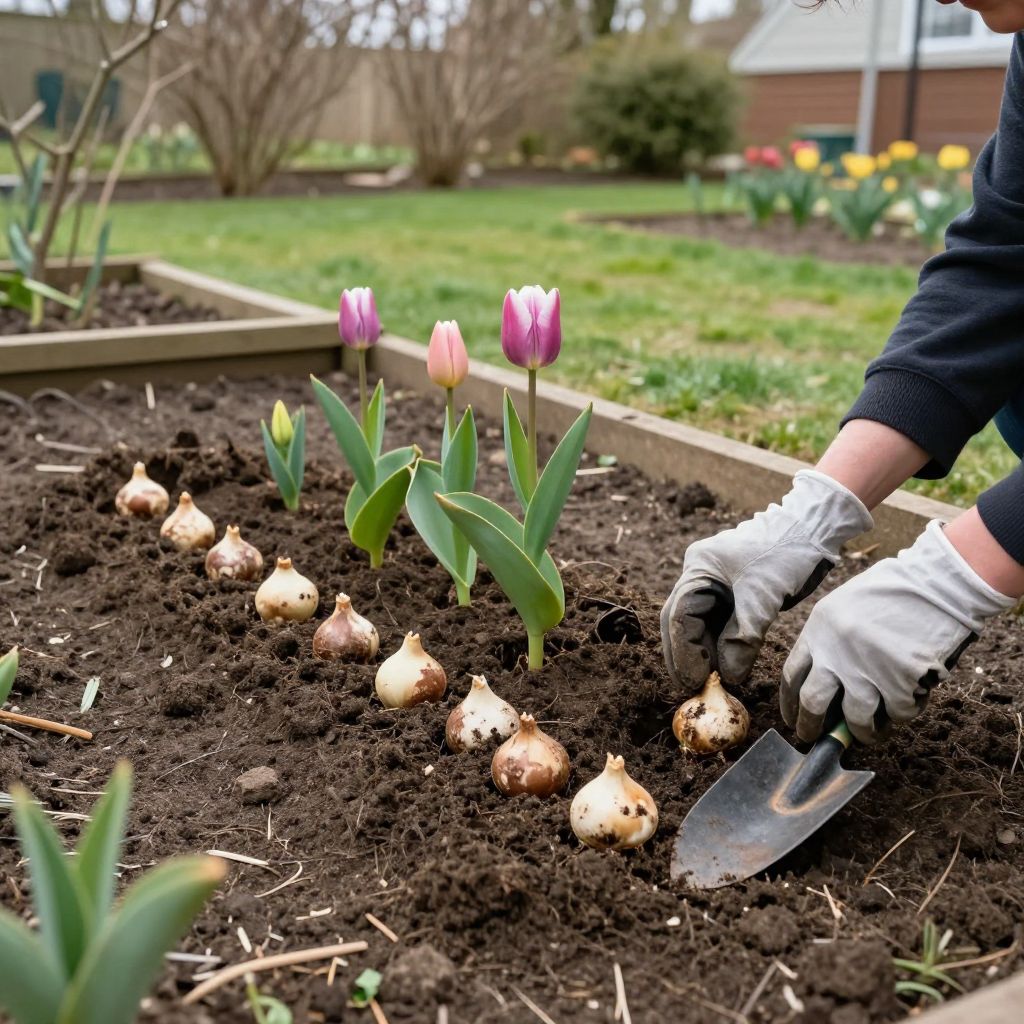
Wondering where to plant tulips so they actually come back strong and bloom well? The best spot is one with full sun to light shade, sharply drained soil, and enough air circulation to keep the bulbs dry after planting.
Tulips are easy to plant, but location matters more than many gardeners realize. A good site can mean sturdy stems and better flowering, while a poor one can leave you with rot, weak growth, or short-lived blooms.
Where To Plant Tulips?
Plant tulips in a sunny or lightly shaded spot with well-drained soil that does not stay wet after rain. A raised bed, border, or open garden area with loose soil is ideal. Avoid low spots, heavy clay, and places where irrigation keeps the bulbs constantly damp.
Best planting locations for tulips
Tulips do best where they can get strong spring light, dry conditions during dormancy, and room for roots to spread. Think about both the above-ground display and the underground bulb environment.
1. Sunny garden beds
Most tulips perform best in a bed that gets at least 6 hours of sun during the growing season. Morning sun is especially helpful because it dries dew quickly and reduces disease pressure.
If your spring is cool, tulips can handle more direct sun. In warmer climates, a little afternoon shade can help flowers last longer.
2. Raised beds and berms
Raised beds are one of the safest places to plant tulips, especially if your native soil is heavy or poorly drained. Even a modest rise improves drainage and helps bulbs stay dry through winter and summer.
If water tends to pool in your yard, a raised bed is often better than trying to amend the whole area at once.
3. Borders along paths or fences
Tulips look great at the front or middle of mixed borders where their spring color can shine before summer perennials fill in. Choose a spot where taller plants won’t shade them too heavily in early spring.
For a tidy look, plant them in clusters rather than a straight line. Groups of 7 to 15 bulbs often create a more natural display.
4. Under deciduous trees and shrubs
Tulips can work well beneath leafless deciduous trees and shrubs because they receive sun in early spring before the canopy fills in. This is a good option if the area becomes shadier later in the season.
Just make sure the roots of the tree or shrub are not competing too aggressively for moisture and nutrients, and avoid dry, compacted soil.
Where not to plant tulips
Some locations look convenient but cause problems for bulbs. Tulips are especially sensitive to excess moisture and poor drainage.
- Low-lying spots where water collects after rain or snowmelt
- Heavy clay soil that stays sticky and wet for long periods
- Areas with constant irrigation from lawn sprinklers or drip lines
- Deep shade that reduces flowering and weakens bulbs over time
- Windy, exposed sites if the soil dries too quickly or stems topple easily
If you only have a questionable site, improve it before planting rather than hoping the bulbs will adapt. Tulips are more forgiving of light than they are of wet feet.
What kind of soil do tulips need?
Tulips prefer loose, fertile soil that drains quickly but still holds some moisture during spring growth. A sandy loam is excellent, but many garden soils can work with the right preparation.
Soil texture and drainage
The most important factor is drainage. Bulbs can rot if they sit in soggy soil, especially during winter dormancy.
To test drainage, dig a hole about 12 inches deep and fill it with water. If it is still holding water many hours later, the site may need improvement or a raised bed.
How to improve poor soil
- Mix in compost to improve structure and fertility.
- In heavy soil, add coarse organic matter and avoid overworking it when wet.
- Do not add a thick layer of manure directly under bulbs, since overly rich pockets can hold too much moisture.
- If drainage is very poor, plant in raised beds or containers instead.
A little compost is helpful, but drainage matters more than making the soil “rich.” Tulips usually fail from wet conditions, not from modest fertility.
How much sun do tulips need?
Tulips flower best in full sun, but they can tolerate light shade, especially in warmer regions. Aim for a site that gets strong light in early spring, before nearby trees fully leaf out.
If your garden gets hot quickly in spring, a site with morning sun and afternoon shade can help blooms last longer. In cool climates, full sun is usually ideal.
Signs the spot is too shady
- Stems stretch and lean toward light
- Flowers are smaller or fewer
- Leaves stay soft and floppy
- Bulbs weaken and may not bloom well the next year
Should tulips be planted in the ground or in containers?
Both can work, but the best location depends on your soil and space. In-ground planting is usually easier for long-term growth, while containers are useful if your garden soil is wet, compacted, or heavily shaded.
In-ground planting
Choose this if you have decent drainage and a sunny border, bed, or open garden area. Tulips in the ground usually need less frequent watering than container-grown bulbs.
Container planting
Use a pot with drainage holes and a free-draining potting mix. Containers dry out faster and may need more attention, but they are a good option for patios, balconies, and small spaces.
In cold climates, pots may need winter protection because bulbs in containers are more exposed to freezing and thawing than bulbs in the ground.
How to prepare the planting site
Preparing the site well is one of the easiest ways to improve tulip performance. A few simple steps can make a big difference.
- Choose a spot with sun and good drainage.
- Remove weeds, stones, and debris.
- Loosen the soil to a depth of about 10 to 12 inches.
- Mix in compost if the soil is thin or compacted.
- Level the bed so water does not pool in low spots.
If your soil is naturally heavy, consider planting on a slight mound or in a raised section of the bed. That small change can help bulbs survive much better over winter.
How deep and how far apart should tulips be planted?
Most tulip bulbs are planted about 6 to 8 inches deep, measured from the base of the bulb to the soil surface. Space them about 4 to 6 inches apart, or closer for a fuller display.
Planting depth helps protect bulbs from temperature swings and keeps them stable. Planting too shallow can expose them to drying out or being disturbed by animals.
Planting tips for better results
- Set bulbs with the pointed end up.
- Plant in groups for a stronger visual effect.
- Water once after planting if the soil is dry.
- Cover with mulch only if needed for winter protection or moisture moderation.
Watering and seasonal care after planting
After planting, water tulips enough to settle the soil if conditions are dry. Once established, they usually need little extra water in cool seasons unless rainfall is scarce.
Too much moisture is more dangerous than too little for dormant bulbs. In spring, keep the soil lightly moist while leaves and flowers are actively growing, but avoid soggy conditions.
After bloom care
Once flowers fade, remove spent blooms so the plant does not waste energy making seed. Leave the foliage in place until it yellows naturally, because the leaves recharge the bulb for next year.
Do not tie, braid, or cut the leaves early. That weakens the bulb and can reduce future flowering.
Common problems caused by the wrong location
If tulips fail, the planting site is often the reason. Watching for symptoms can help you correct the problem next season.
Bulbs rot or never emerge
This is usually caused by wet soil, poor drainage, or bulbs planted in a low spot. Move future plantings to a drier location or use raised beds.
Leaves appear but flowers are weak
Insufficient sun, crowded bulbs, or poor soil can all reduce flowering. Improve light and spacing, and avoid overfeeding with high-nitrogen fertilizer.
Stems flop over
Too much shade, rich soft growth, or windy exposure can cause weak stems. Choose a more open site or a spot with some shelter from strong gusts.
Animals dig up bulbs
Squirrels, chipmunks, and other animals may disturb freshly planted tulips. Cover the area with wire mesh until the soil settles, or plant more deeply where appropriate.
Can tulips be planted in the same place every year?
You can plant tulips in the same area, but performance often improves when the site is refreshed occasionally. In many gardens, tulips flower best the first year and then gradually decline if conditions are crowded or the soil becomes depleted.
If blooms get smaller over time, lift and replant bulbs after the foliage dies back, or treat tulips as seasonal display plants and replant fresh bulbs each year.
Best quick checklist for choosing a tulip site
- At least 6 hours of sun or bright spring light
- Well-drained soil that does not stay wet
- Loose soil amended with compost if needed
- Protection from standing water and heavy irrigation
- Enough space for bulbs to be planted 6 to 8 inches deep
If you are unsure where to plant tulips, start with the driest sunny spot you have. That simple choice usually gives you the best chance of healthy bulbs and strong spring blooms.
For more seasonal bulb planting guidance, you may also find related gardening reading helpful on tulip care and spring bulb design.