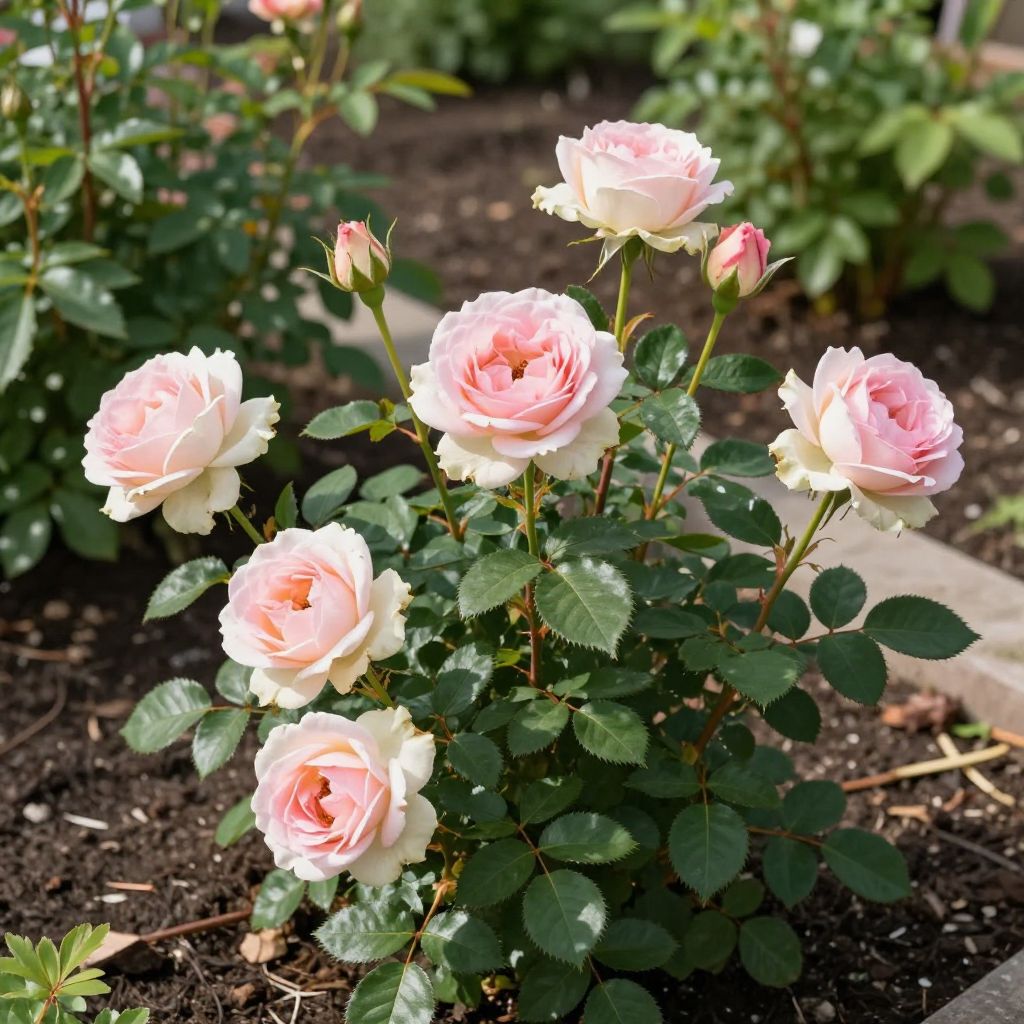
If you’re asking, “What is the flower for June?” the most common answer is the rose. In many flower-of-the-month traditions, June is represented by the rose because it blooms beautifully in early summer and comes in many colors and forms. It’s also one of the most widely grown garden flowers, making it a practical and meaningful choice for home gardeners.
That said, “the flower for June” can vary a little by tradition and region. If you’re growing roses, the good news is that they can be rewarding in borders, beds, containers, and cutting gardens when you give them the right soil, sun, and care.
What Is The Flower For June?
The flower most often associated with June is the rose (Rosa spp.). Roses are valued for their repeat blooming, fragrance, and wide range of colors. In the garden, they need full sun, fertile well-drained soil, regular watering at the roots, and seasonal pruning to stay healthy and flower well.
Why Roses Are Linked to June
June is the start of peak rose season in many temperate gardens, which is one reason the rose became the classic June flower. Many varieties begin their strongest flush of bloom in late spring to early summer, especially when temperatures are mild and days are long.
Roses also fit the symbolism of June because they are abundant, showy, and long-lasting in the landscape. If you want a flower that feels like June in the garden, roses are one of the best choices.
Other flowers sometimes linked with June
In some places and traditions, other flowers may also be associated with June, but the rose is the most widely recognized. If you are choosing plants for a June-themed garden, roses are the safest and most familiar option.
How to Identify a Rose Plant
Roses are woody shrubs or climbers with stems that often have thorns or prickles. Their leaves are usually divided into several oval leaflets with serrated edges, and the flowers may be single, semi-double, or full and layered.
Common garden rose types include:
- Hybrid tea roses – large, classic blooms on long stems
- Floribunda roses – clusters of flowers and often more continuous bloom
- Shrub roses – bushy, often hardy, and useful in mixed borders
- Climbing roses – long canes trained on fences, arches, or trellises
- Miniature roses – compact plants for pots and small spaces
If you are unsure whether a plant is a rose, check for alternate leaf arrangement, thorny stems, and the characteristic flower shape. Many roses also produce rounded seed structures called hips after flowering.
Growing Conditions Roses Need
Roses perform best when their basic needs are met from the start. Good site selection matters more than feeding heavily later, especially if you want healthy June blooms.
Sunlight
Give roses at least 6 hours of direct sun per day, and more is often better. Morning sun is especially helpful because it dries leaves quickly and reduces disease pressure.
Soil
Roses prefer fertile, moisture-retentive soil that drains well. A soil rich in organic matter supports strong roots and steady flowering, but the roots should never sit in waterlogged ground.
If your soil is heavy clay, improve it with compost and organic matter and plant on a raised bed or mound if drainage is poor. If your soil is very sandy, compost helps it hold moisture and nutrients longer.
Air circulation
Space roses so air can move around the plant. Crowded planting increases the risk of black spot, powdery mildew, and other fungal problems.
How to Plant Roses for a Strong June Display
You can plant roses in spring or autumn in many climates, but the best timing depends on local weather and the type of rose you buy. Container-grown roses can usually be planted when the soil is workable and not frozen or excessively dry.
- Choose a sunny site with well-drained soil.
- Dig a hole wider than the root ball so roots can spread easily.
- Mix removed soil with compost if needed, especially in poor soil.
- Set the plant at the same depth it was growing in the pot or nursery bed.
- Backfill, firm gently, and water thoroughly to settle the soil.
- Mulch around the base, keeping mulch a little away from the stems.
Avoid burying the crown too deeply unless your local rose-growing guidance recommends it for winter protection. Planting too deep can slow growth and encourage rot in wet soils.
Watering and Feeding Roses
Roses need consistent moisture, especially while establishing and during active growth before and through June bloom. Water deeply at the base rather than sprinkling the leaves, since wet foliage can encourage disease.
How often you water depends on weather, soil type, and plant size. In hot, dry periods, newly planted roses may need more frequent watering than established shrubs. The key is to keep the root zone evenly moist, not soggy.
Feeding
Use compost or a balanced rose fertilizer if your soil is low in nutrients, but avoid overfeeding. Too much nitrogen can produce lush leaves with fewer flowers and more soft growth that attracts aphids.
For best results:
- Top-dress with compost in spring
- Mulch to conserve moisture and suppress weeds
- Feed according to your soil’s needs and local conditions
Pruning Roses for Better June Blooms
Pruning helps roses stay productive, shapely, and healthier. The exact timing depends on the type of rose and your climate, but the goal is usually to remove dead, weak, or crossing growth and encourage strong new shoots.
Basic pruning steps
- Remove dead, damaged, or diseased canes.
- Cut out weak stems that won’t support good flowers.
- Open the center of the plant slightly for airflow.
- Make clean cuts just above an outward-facing bud.
Repeat-flowering roses often benefit from deadheading, which means removing spent blooms to encourage more flowers. Some shrub roses and species roses may be left with hips if you want autumn interest or bird food, so check the variety before cutting everything back.
Common Rose Problems and How to Fix Them
Even healthy roses can face pests and diseases, especially in damp or crowded gardens. Catching problems early makes them much easier to manage.
Black spot
This fungal disease causes dark spots on leaves, followed by yellowing and leaf drop. Improve airflow, water at the base, remove fallen leaves, and choose resistant varieties when possible.
Powdery mildew
Powdery mildew looks like a white coating on leaves and buds. It is more common when nights are cool and days are warm, especially if plants are crowded or shaded.
Aphids
Aphids cluster on soft new growth and buds. A strong spray of water can knock them off, and beneficial insects often help keep them in check. Avoid broad-spectrum sprays that can harm helpful insects.
Japanese beetles and other chewing pests
These pests can skeletonize leaves and damage flowers. Hand-picking in the morning, where appropriate, and using physical barriers or local control methods can help reduce damage.
Healthy growing conditions are the best pest control. Strong, well-sited roses usually recover faster and bloom better than stressed plants.
Growing Roses in Containers
If you don’t have garden space, roses can still grow well in large containers. Choose a pot with drainage holes and enough room for roots to develop, since cramped roots dry out quickly and reduce flowering.
Container roses usually need more frequent watering than in-ground plants because pots dry faster. Use a quality potting mix, not heavy garden soil, and place the container where it gets full sun.
Container tips:
- Use a deep, sturdy pot
- Check moisture often in warm weather
- Refresh mulch on the surface to slow drying
- Protect pots from extreme winter cold if needed in your climate
How to Use Roses in the Garden
Roses work in formal borders, cottage gardens, mixed shrub beds, and as focal points near patios or paths where you can enjoy their scent. Climbing roses can soften fences, arches, and pergolas, while shrub roses make excellent mass plantings.
For the best effect, pair roses with plants that enjoy similar conditions and don’t crowd the base too tightly. Leave enough space for airflow and maintenance access.
Cutting Roses for Indoor Arrangements
If you want to bring June blooms indoors, cut roses in the cool part of the day when buds are just beginning to open. Use clean, sharp pruners and place stems immediately into water.
Remove any leaves that would sit below the waterline in the vase. Fresh water and a clean container help roses last longer indoors.
Common Mistakes to Avoid
- Planting in too much shade
- Letting soil stay waterlogged
- Watering overhead in the evening
- Overcrowding plants and reducing airflow
- Skipping deadheading on repeat-blooming types
- Overfertilizing and producing weak, leafy growth
Conclusion
So, what is the flower for June? Most often, it’s the rose, a classic garden plant that rewards good sun, rich well-drained soil, and steady care with beautiful early-summer blooms. If you want a June-flowering garden, start by checking your site, improving the soil, and choosing a rose type suited to your climate.
For more practical help with rose care and garden design, you may also want to read about growing roses and roses for the home garden.