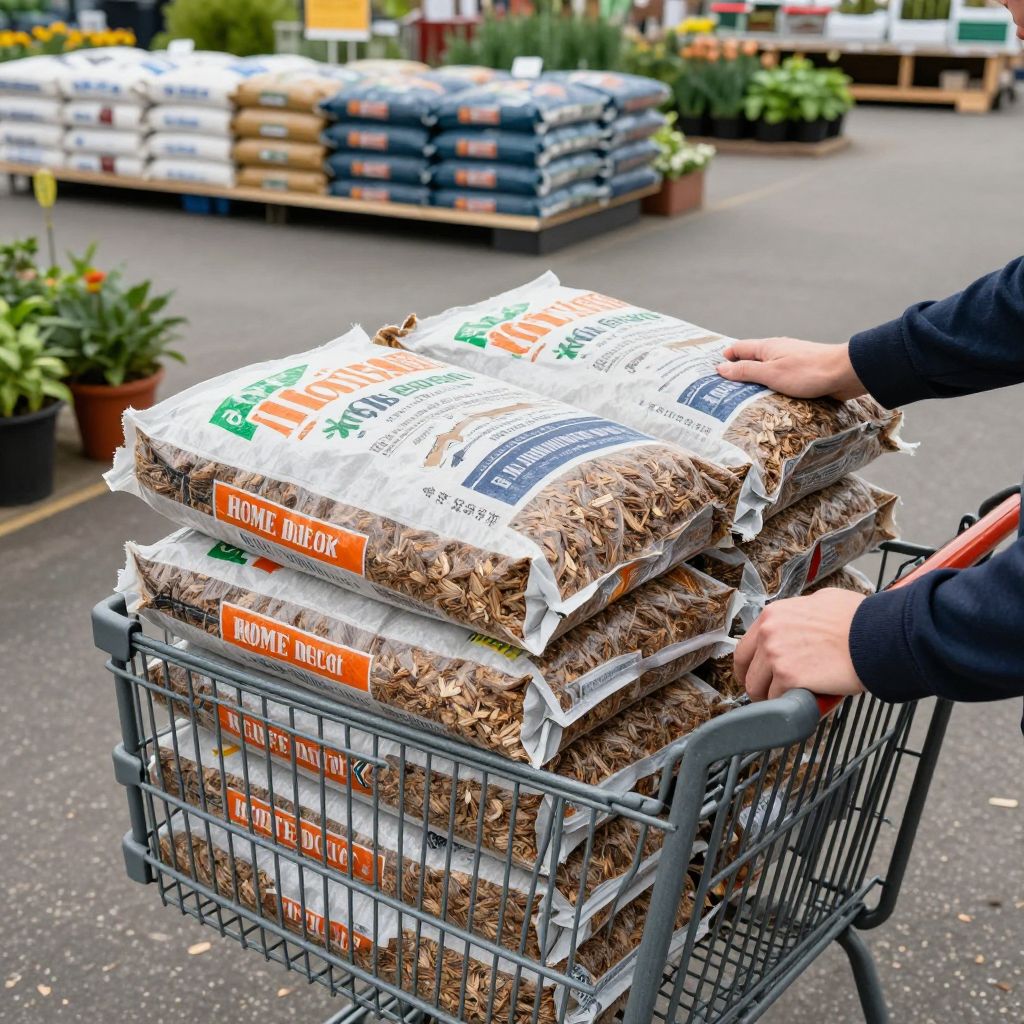
Wondering when is Home Depot mulch sale 5 for $10 2026, and whether it is worth waiting for? Mulch deals can save money, but the best time to buy also depends on your planting season, local weather, and how much mulch you actually need for beds, trees, or pathways.
For most gardeners, the smartest move is to watch for spring and early summer promotions, then stock up only if you can store bags dry and use them within the season. The sale can be a good value, but the right mulch choice and timing matter just as much as the price.
When Is Home Depot Mulch Sale 5 For $10 2026?
Home Depot mulch sales are usually tied to seasonal gardening demand, especially in spring, early summer, and sometimes around holiday weekends. The exact 5 for $10 offer in 2026 may vary by store, region, and brand, so check your local ad, app, or store circular rather than assuming one national date.
How to time mulch buying around the gardening season
Mulch is most useful when you apply it after soil has warmed and plants are actively growing. In many climates, that means late spring is ideal, but the right timing depends on your frost dates, rainfall, and whether you are mulching annual beds, shrubs, trees, or vegetable gardens.
Best times to watch for mulch discounts
- Early spring: Garden centers often start seasonal promotions as homeowners begin bed cleanup and planting.
- Holiday weekends: Memorial Day, Independence Day, and similar sales periods often bring garden supply discounts.
- Peak landscaping season: Late spring into early summer is when mulch demand is highest, and stores may run volume deals.
- Late season markdowns: Some stores discount remaining stock later in summer or early fall, depending on inventory.
If you are buying for a large project, it can make sense to wait for a sale. If your beds are exposed, weeds are breaking through, or young plants need moisture protection, buy when you need it rather than risking a delay.
How much mulch do you actually need?
Before chasing a sale, estimate your coverage. A common mulch depth is 2 to 3 inches for most landscape beds, and less around fine-stemmed plants or in heavy clay soil where excess moisture can be a problem.
Simple coverage guide
- 2 inches: Good for established beds, lighter soils, and areas where you want to avoid excess moisture.
- 3 inches: Useful for weed suppression and moisture retention in shrub beds and around trees.
- Avoid piling mulch against stems or trunks: Leave a few inches of space around plant crowns and tree trunks.
To estimate bags, check the label for coverage at a given depth. Bag sizes vary, so the number of bags needed can change a lot from one product to another. If you are unsure, buy a little extra only if you have a dry place to store it.
Choosing the right mulch for your garden
The sale price matters less if the mulch is wrong for the job. Match the mulch type to the planting area, your climate, and how often you want to refresh it.
Common mulch types and where they fit best
- Shredded bark or wood mulch: Good for ornamental beds, shrubs, and trees; it breaks down gradually.
- Wood chips: Often used in larger landscape areas and around trees; coarser texture can last longer.
- Pine bark: Useful in acidic-soil landscapes and decorative beds, depending on local availability.
- Compost: Better as a soil amendment or topdressing than as a long-term weed barrier.
- Straw or clean straw-like mulch: Often used in vegetable gardens, especially around crops that benefit from a lighter cover.
For vegetable beds, choose a mulch that will not mat down too tightly and that allows water to reach the soil. For ornamental beds, a longer-lasting bark mulch may be easier to maintain.
How to apply mulch correctly
Even a great sale mulch can cause problems if it is applied too thickly or at the wrong time. The goal is to protect the soil, reduce weeds, and stabilize moisture without smothering roots or stems.
- Clear existing weeds and debris from the bed.
- Water the soil first if it is very dry.
- Spread mulch evenly to the recommended depth.
- Keep mulch a few inches away from plant stems and tree trunks.
- Rake it lightly if it mats down after rain or irrigation.
Common mulch mistakes to avoid
- Mulch volcanoes: Piling mulch high against trunks can trap moisture and encourage decay.
- Too much depth: Over-mulching can limit airflow and water movement into the soil.
- Mulching over weeds: Large weeds should be removed first, or they may grow through.
- Using fresh mulch too close to tender seedlings: It can bury small plants or hold too much moisture.
Seasonal mulch timing by garden type
The best time to mulch changes with the plants you grow. A spring flower bed has different needs than a vegetable patch or a mature shrub border.
Flower beds and shrubs
Apply mulch after soil warms in spring and after you have finished major bed cleanup. In many regions, this helps suppress weeds before they become established and reduces moisture loss during warmer weather.
Vegetable gardens
Mulch after seedlings are established and soil temperatures are suitable for the crop. In cool springs, mulch too early and the soil may stay cold longer than you want.
Trees and foundation plantings
Mulch can help stabilize moisture and reduce competition from grass. Keep it broad and shallow rather than deep and tight against the trunk.
How to tell whether a mulch sale is actually a good deal
A low advertised price is only helpful if the product works for your garden and the bag size is practical. Compare coverage, material quality, and how much labor the project will require.
Quick buying checklist
- Check the bag size and coverage per bag.
- Look for clean, uniform material without excessive sticks or debris.
- Make sure the mulch type suits your beds or pathways.
- Confirm you can store unused bags in a dry place.
- Buy enough for the full area if you want color and texture consistency.
If you are refreshing an existing bed, try to match the current mulch type and color as closely as possible. Mixing very different textures can make the bed look patchy and may change how water moves through the surface.
Storing mulch if you buy during a sale
If you stock up during a bargain, storage matters. Bags left in wet conditions can break down early, grow mold, or become difficult to handle later.
- Store bags on a pallet, tarp, or hard surface off the ground.
- Keep them under cover or in a dry garage or shed.
- Do not leave bags in standing water or direct runoff.
- Use older bags first if you buy more than one batch.
For bulk mulch, plan delivery close to the day you will spread it. Bulk piles left too long can compact, dry out unevenly, or become harder to move.
What to do if you miss the 5 for $10 sale
Missing one sale does not mean you should overpay or delay bed care. Compare the current price per bag, watch for another seasonal promotion, or consider bulk mulch from a local supplier if you need a large amount.
Practical alternatives
- Buy only what you need for the most urgent beds.
- Check nearby garden centers for seasonal markdowns.
- Use compost in smaller areas where soil improvement matters more than appearance.
- Reuse shredded leaves or other clean organic material where appropriate for your garden.
Final seasonal advice for 2026
For When Is Home Depot Mulch Sale 5 For $10 2026, the safest approach is to watch local spring and early-summer ads, then buy when the timing matches your garden work. Mulch is most useful when you can apply it correctly and at the right stage of plant growth, not just when the price is lowest.
If you want to plan ahead, measure your beds now, choose the right mulch type, and keep an eye on store promotions as the gardening season begins. For more practical help with bed prep and seasonal garden care, you may also want to read related guides on mulching and soil care basics and spring garden maintenance tips.