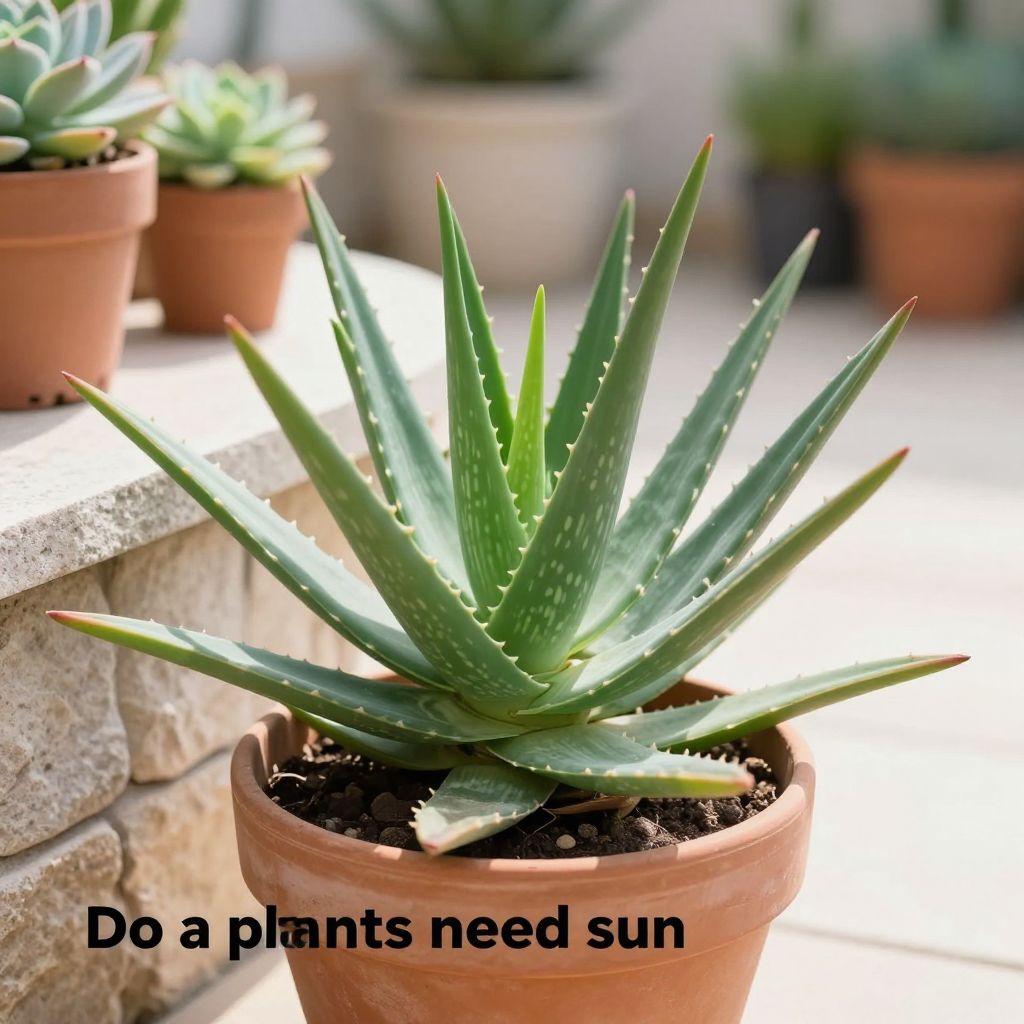
If you’re wondering, “Do aloe plants need sun?” the short answer is yes—but not harsh, all-day sun in every situation. Aloe vera and related aloe species grow best with bright light, and they need enough sun to stay compact, healthy, and colorful.
The trick is matching the light to where the plant is growing. Indoors, aloe usually does best in a very bright window with some direct sun; outdoors, it prefers gentle morning sun or bright filtered light, especially in hot climates.
Do aloe plants need sun?
Yes. Aloe plants need bright light to grow well, and most do best with several hours of direct sun or very strong indirect light each day. Too little light causes weak, stretched growth, while too much intense sun can scorch the leaves, especially if the plant is not acclimated.
How much sun aloe plants actually need
Aloe is a succulent, so it stores water in its leaves and is adapted to bright, dry conditions. In practical terms, it usually wants at least 6 hours of bright light daily, though the type of sun matters.
Best light conditions for aloe
- Indoors: A south- or west-facing window is often ideal.
- Outdoors: Morning sun with afternoon shade is safest in hot regions.
- Low-light spots: Aloe may survive, but growth becomes weak and leggy.
If your climate is mild and your aloe has been gradually acclimated, it can handle more direct sun. In very hot, dry, or high-altitude areas, afternoon sun can be too intense, especially on young plants or those moved suddenly from indoors.
Signs your aloe is getting the wrong amount of sun
Too little sun
When aloe does not get enough light, it often stretches toward the window or nearby light source. The leaves may become thinner, paler, and more widely spaced.
- Long, floppy, or leaning growth
- Pale green color instead of rich green
- Leaves that seem soft rather than firm
- Slow growth and poor shape
Too much sun
Too much direct sun, especially sudden exposure, can burn aloe leaves. Sun stress often shows up as brown, tan, or bleached patches on the leaf surface.
- Dry, crispy spots on exposed leaves
- Reddish or bronze coloring from stress
- Wrinkling if the plant is losing water faster than it can replace it
- Scorch on the side facing the strongest sun
Important: A little reddish tint can be normal in strong light, but large bleached areas usually mean the plant needs less intense sun or a slower transition.
Indoor aloe care: getting the light right
Indoors, aloe often fails because the light is weaker than it looks to us. A bright room is not always bright enough for a succulent that evolved for strong sun.
Where to place aloe indoors
- Put it in the brightest window you have.
- Choose a south-facing window if possible, or west-facing if morning light is limited.
- Rotate the pot every couple of weeks so the plant grows evenly.
- If the room is dim, consider a grow light placed close enough to provide strong light without overheating the leaves.
Watch the plant for a few weeks after moving it. If the leaves begin stretching, the light is still too weak. If the leaf tips or surfaces bleach, the sun may be too intense or too sudden.
How to move aloe to brighter light safely
Don’t shift a low-light aloe straight into full sun. Acclimate it over 1 to 2 weeks, or longer if the weather is very hot.
- Start with a few hours of morning sun.
- Increase exposure gradually every few days.
- Use light shade during the hottest part of the day at first.
- Monitor for scorch, especially on newly purchased plants.
Outdoor aloe: sun, shade, and climate
Outdoors, aloe usually thrives in bright, open conditions, but the best exposure depends on your local weather. In cooler or coastal climates, more sun is often fine. In desert heat or intense summer sun, some afternoon protection is helpful.
Best outdoor placement
- Morning sun and afternoon shade in hot climates
- Full sun only if the plant is acclimated and temperatures are moderate
- Bright shade under open trees or on a patio with filtered light
If you’re planting aloe in the ground, choose a spot with excellent drainage and enough light to keep the plant compact. In containers, you can move the pot to adjust for seasonal changes in sun intensity.
Soil and drainage matter as much as sun
Aloe can get plenty of sun and still struggle if the soil stays wet. Because it stores water in its leaves, it needs a fast-draining mix that dries between waterings.
What kind of soil aloe prefers
- A gritty cactus or succulent mix
- Loose, fast-draining soil that does not stay soggy
- Containers with drainage holes
If you use regular potting soil, it may hold too much moisture. You can improve it by mixing in coarse perlite, pumice, or other drainage material so the roots get air and excess water drains away.
Tip: Sun and drainage work together. A plant in strong light may dry faster, but if the roots sit in wet soil, they can still rot.
Watering aloe based on light levels
Light affects how quickly aloe uses water. A plant in brighter sun usually dries faster than one in shade, but you should still water only when the soil has dried out well.
Simple watering rule
- Check the soil with your finger or a moisture meter.
- Wait until the mix is dry several inches down, especially for larger pots.
- Water thoroughly, then let excess drain away completely.
- Empty saucers so roots do not sit in water.
In bright summer conditions, potted aloe may need water more often than in winter. Indoors, lower light and cooler temperatures usually mean slower drying and less frequent watering.
Common mistakes when growing aloe in sun
Most aloe problems come from either too little light, too much sudden sun, or too much water. Avoiding a few common mistakes makes a big difference.
- Moving it from shade to full sun too quickly
- Keeping it in a dark corner indoors
- Using dense soil that stays wet
- Watering on a fixed schedule instead of checking the soil
- Leaving it in a pot without drainage holes
Another common issue is assuming all aloe species want the same conditions. While many are similar, some tolerate more sun than others. If you are unsure, start with bright light and observe how the plant responds.
Pruning, grooming, and maintenance
Aloe does not need heavy pruning, but a little cleanup helps it stay healthy and tidy. Remove only leaves that are fully dried, damaged, or badly sunburned.
How to maintain a healthy aloe
- Trim off dead outer leaves at the base if they are dry and loose.
- Wipe dust from indoor leaves so they can absorb light better.
- Turn the pot occasionally for even growth.
- Check for pups, which are small offsets that can be separated later.
If leaves are damaged by sunburn, do not cut healthy tissue just for appearance. The plant needs its leaves to store water and energy while it recovers.
Pests and problems linked to poor light
Aloe grown in weak light is often more vulnerable to stress, which can make pest and disease problems worse. Healthy light exposure helps the plant stay compact and resilient.
Watch for these issues
- Mealybugs: White, cottony pests that hide in leaf joints
- Scale insects: Small, fixed bumps on leaves or stems
- Root rot: Usually caused by wet soil, not sun itself
- Leaf collapse: Often from overwatering, poor drainage, or root damage
If pests appear, isolate the plant and treat it promptly. If the plant is stretched and weak, improve the light first, because pest control works better on a stronger plant.
Can aloe get too much direct sun?
Yes, especially in very hot climates or when a plant is not acclimated. Aloe likes bright light, but the strongest afternoon sun can scorch leaves, dry the plant too quickly, and leave permanent marks.
Use these cues to decide whether the plant needs adjustment:
- If it is stretching, it needs more light.
- If it is bleaching or burning, it needs less intense light or more gradual exposure.
- If it is firm, compact, and evenly colored, the light is probably right.
For many gardeners, the sweet spot is bright morning sun with protection from the hottest afternoon rays.
Final takeaways for healthy aloe growth
Aloe plants do need sun, but they need the right kind and amount for their setting. Bright light keeps them compact and healthy, while too little light makes them weak and stretched. Too much sudden sun can scorch them, so adjust exposure gradually.
Start by placing your aloe in a very bright spot, use fast-draining soil, and water only when the mix has dried well. If you’re unsure, watch the leaves closely—they will tell you whether your plant needs more sun, less sun, or a slower transition.
If you’d like to improve your succulent care further, consider reading more about how to choose the best potting mix for succulents and simple indoor plant lighting tips.