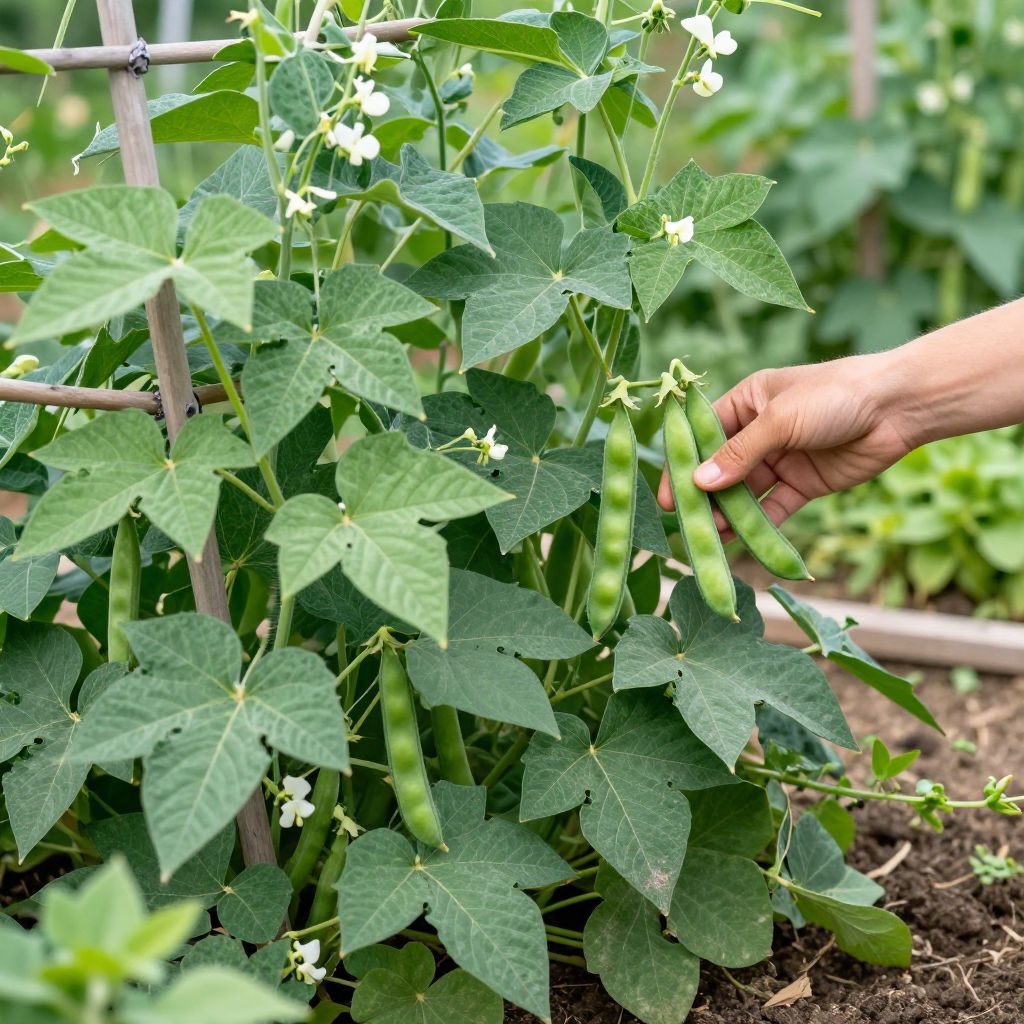
When are green beans in season? The short answer is that green beans are usually at their best in late spring through summer, with exact timing depending on your climate, planting date, and whether you grow bush or pole beans. In many gardens, harvest begins about 50 to 70 days after sowing.
If you want the freshest pods, timing matters as much as variety. Green beans are a warm-season crop, so they need settled soil, steady moisture, and regular picking to stay tender and productive.
When are green beans in season?
Green beans are in season from late spring into summer in most home gardens, and sometimes into early fall where temperatures stay warm. They are ready when pods are firm, slender, and snap cleanly. For the best quality, harvest them young before seeds swell and pods become stringy.
What determines green bean season in your garden?
Green bean season is not the same everywhere. Your local frost dates, summer heat, soil temperature, and the type of bean you grow all affect when plants start producing and how long harvest lasts.
Climate and frost dates
Beans are sensitive to frost and cold soil. Sow them only after the danger of frost has passed and the soil has warmed enough for good germination.
In cooler regions, that may mean a later spring planting and a shorter harvest window. In warmer regions, you may be able to plant in succession for a longer season or even get a second crop in late summer.
Bush beans vs. pole beans
- Bush beans usually produce a concentrated crop over a few weeks.
- Pole beans take longer to start but can keep producing for a longer period if you keep harvesting.
If you want a quick, compact crop, bush beans are often the easier choice. If you want a longer season and have trellis space, pole beans can extend your harvest well into summer.
Soil temperature matters
Beans germinate best in warm soil, not cold, wet ground. If you plant too early, seeds may rot or sprout slowly, and young seedlings can struggle.
A simple rule: wait until the soil feels warm and workable, not just sunny on top. In many gardens, that is well after the last frost date.
How to tell when green beans are ready to harvest
Harvest green beans when pods are young, smooth, and crisp. The seeds inside should be small and barely visible. If the pod bends easily without snapping, or if the seeds bulge strongly, the bean is past peak tenderness.
Signs the pods are ready
- Pods are firm and snap when bent.
- They are still slender, not swollen.
- The surface is smooth and bright.
- Seeds inside are small.
Signs you waited too long
- Pods feel tough or fibrous.
- Seeds are large and obvious.
- Pods twist instead of snapping cleanly.
- The plant slows production because pods were left too long.
Picking at the right stage is the key to a long season. The more often you harvest, the more the plant is encouraged to keep flowering and setting new pods.
Typical planting and harvest window
Green beans are usually planted in late spring after frost danger has passed. Harvest often begins about 7 to 9 weeks later for many bush varieties, though some types may take a little longer. Pole beans often need more time before the first picking, but they can keep going longer once they start.
Because weather varies so much, use the seed packet as your best guide. Then adjust for your local conditions, especially if springs are cool or summers are very hot.
Succession planting for a longer season
To stretch your harvest, sow a small batch every 2 to 3 weeks during the main planting window. This works especially well with bush beans, which tend to ripen all at once.
Succession planting helps you avoid a single overwhelming harvest and gives you fresh beans for a longer period.
Growing conditions that help beans stay productive
Green beans are not difficult, but they do best when you give them warm conditions, good drainage, and steady care. Healthy plants produce more pods and are less likely to stop early.
Sunlight
Give beans full sun for the strongest growth and best flowering. In very hot climates, a little afternoon shade can help reduce stress, but too much shade usually means fewer pods.
Soil and drainage
Beans prefer loose, well-drained soil rich in organic matter. Heavy, waterlogged soil can slow growth and increase disease problems.
Mix in compost before planting if your soil is poor or compacted. Compost improves structure, moisture retention, and drainage at the same time.
Watering
Keep soil evenly moist, especially during flowering and pod formation. Irregular watering can lead to tough pods or poor yields.
Water at the base of the plant if possible. Wet foliage can encourage fungal diseases, especially in humid weather.
Mulching
A light mulch can help hold moisture and reduce weeds once seedlings are established. Keep mulch a little away from the stems so the base of the plant stays dry and airy.
How to plant green beans for the best season
You can direct sow green beans outdoors in most gardens. Beans generally dislike root disturbance, so starting them in the ground is usually simpler than transplanting.
- Wait until frost danger has passed and the soil has warmed.
- Choose a sunny spot with loose, well-drained soil.
- Sow seeds at the depth recommended on the packet, usually around 1 inch deep.
- Space seeds according to the variety and support system.
- Water gently after planting and keep the soil lightly moist until germination.
If you grow pole beans, install trellises, poles, or netting before planting so you do not disturb roots later. Bush beans usually need less support, though some taller types may still benefit from light staking in windy areas.
Common problems that affect bean season
When beans stop producing early or never seem to get going, the issue is often timing, weather, or pests rather than a serious gardening mistake. A few simple adjustments can make a big difference next time.
Cold soil or early planting
If seeds rot or seedlings emerge slowly, the soil may have been too cold. Wait longer next season, and consider using raised beds, which warm faster than ground soil.
Too much heat
Very hot weather can reduce flowering and pod set. In hot climates, plant early enough to harvest before peak summer heat, or try a later sowing for a fall crop where the season allows.
Pests
Common bean pests include aphids, bean beetles, and leaf-feeding insects. Check leaf undersides regularly and remove heavily infested leaves if needed.
Healthy, well-spaced plants are easier to inspect and less likely to suffer from pest buildup. Avoid overcrowding, which traps humidity and makes problems harder to spot.
Diseases
Fungal and bacterial issues are more likely when plants stay wet, crowded, or stressed. Rotate bean plantings to a different bed each year if possible, and remove diseased debris at the end of the season.
Good airflow is one of the simplest disease-prevention tools. Space plants properly and avoid overhead watering in the evening.
How to keep beans producing longer
If you want a longer green bean season, harvest often and do not let pods over-mature on the plant. Frequent picking tells the plant to keep making flowers and new pods.
- Check plants every 1 to 3 days during peak production.
- Harvest pods while they are still young and crisp.
- Remove overgrown pods promptly.
- Keep plants watered during dry spells.
- Use succession sowing for continuous harvests.
Pole beans especially benefit from regular picking. If pods are left too long, the plant may slow down sooner than it should.
Indoor vs. outdoor growing
Green beans are usually best grown outdoors because they need strong light and warm temperatures. Indoor growing is possible only with very bright light and enough space, which most home setups cannot provide well.
If you start seeds indoors, do it only briefly and transplant carefully, because beans do not like root disturbance. For most gardeners, direct sowing outdoors is the more reliable method.
Practical mistakes to avoid
- Planting too early in cold soil.
- Overwatering or letting the soil stay soggy.
- Using too much nitrogen fertilizer, which can produce leafy growth but fewer pods.
- Letting pods become oversized before picking.
- Ignoring pests until damage is widespread.
One of the most common mistakes is waiting too long to harvest. Even a productive plant can lose quality quickly if pods are left on the vine after they are ready.
Seasonal summary for home gardeners
Green beans are generally in season from late spring through summer, with the exact timing shaped by your local weather and planting date. In many gardens, the first harvest comes roughly 50 to 70 days after sowing, and the best pods are picked young, tender, and crisp.
If you want a steady supply, plant after frost, keep the soil warm and evenly moist, and harvest often. For more gardening timing help, you may also want to read about planting schedules for warm-season vegetables and how to extend harvests with succession sowing.