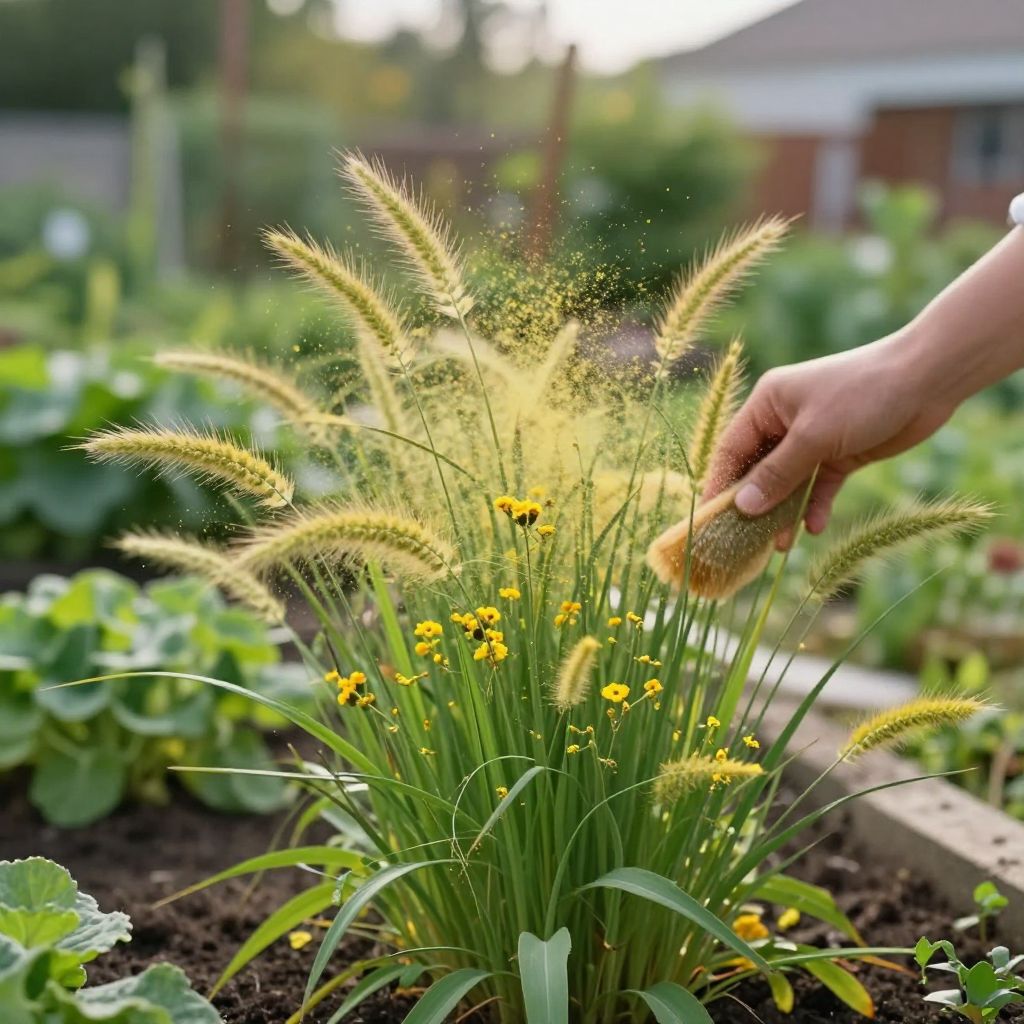
Do plants sneeze? Not in the way people do. Plants do not have noses, lungs, or a nervous system for sneezing, so they cannot sneeze from dust, pollen, or a cold.
What gardeners sometimes call a “plant sneeze” is usually something else: pollen release, sap movement, leaf movement, or a plant reaction to stress, pests, or disease. If you notice odd bursts, sprays, or leaf twitching, the cause is almost always environmental or biological—not a true sneeze.
Do plants sneeze?
No, plants do not sneeze. They can move, release pollen, eject seeds, or respond to touch and stress, but they do not have the anatomy needed for sneezing. If a plant seems to “sneeze,” look for pollen dust, sap, water splash, insect damage, or a mechanical trigger instead.
What gardeners usually mean by a “plant sneeze”
People use the phrase in a few different ways, and each one has a different cause. Understanding the difference helps you decide whether your plant is healthy, stressed, or simply doing something normal.
Pollen release
Some flowering plants release clouds of pollen when disturbed by wind, vibration, or brushing. This can look like a sneeze, especially on dry, warm days.
Common examples include grasses, catkins on trees, and many wind-pollinated ornamentals. The “burst” is not a symptom of disease; it is part of reproduction.
Seed dispersal
Some plants eject seeds forcefully from pods or capsules. When the pod splits, seeds can pop or scatter suddenly, which may seem like a sneeze.
Impatiens, some legumes, and other self-seeding plants use this strategy to spread offspring. If you see a pod suddenly open, that is normal seed dispersal, not a problem.
Movement from touch or stress
A few plants respond quickly to touch, heat, light, or water changes. Sensitive plants, prayer plants, and some legumes move leaves or leaflets in ways that can surprise gardeners.
These movements are controlled by plant cells shifting water pressure, not by muscles or sneezing. They are usually harmless unless the plant is also wilting, yellowing, or dropping leaves.
Why plants make “sneeze-like” reactions
Plants react to their surroundings in many ways that can look dramatic, but the causes are usually simple. The key is to separate normal behavior from stress signals.
Wind and vibration
Wind can shake pollen loose, rattle seed pods, and move flexible stems. In the garden, this is often most noticeable after a breeze or when you brush past a plant.
If pollen seems to puff out when you touch a flower head, the plant is likely wind-pollinated or simply very mature and dry.
Water pressure inside the plant
Plants rely on water pressure in their cells to stay firm and upright. When that pressure changes, leaves may fold, droop, or spring back.
This is normal in some species, but if the whole plant is collapsing, the issue may be underwatering, root rot, or heat stress.
Pests and disease
Some damage can mimic a “sneeze” effect. For example, aphids, thrips, or mites may cause distorted growth, sticky residue, or speckled leaves. Fungal diseases can also create sudden leaf drop or spores that look like dust.
These are not normal movements. They are signs to inspect the plant closely and act early.
How to tell normal plant behavior from a problem
A healthy plant may move, shed pollen, or scatter seeds. A stressed plant usually shows other symptoms at the same time. Use the checklist below to decide what you are seeing.
- Likely normal: pollen dust, seed pods popping, leaf folding after touch, flowers opening and closing with light.
- Possible stress: wilting, yellowing, brown edges, stunted growth, sticky leaves, spots, or sudden leaf drop.
- Likely pest or disease issue: distorted new growth, webbing, visible insects, black sooty residue, mold, or spreading lesions.
If the plant is otherwise vigorous, the “sneeze” is probably harmless. If it looks weak, treat the movement as one clue among several.
Growing conditions that reduce stress in plants
Healthy plants are less likely to show dramatic stress responses. Good growing conditions also make it easier to spot real problems before they spread.
Light
Match the plant to the right light level. Sun-loving plants need several hours of direct sun, while shade plants perform better in filtered or indirect light.
Too little light can cause weak, stretched growth. Too much direct sun can scorch leaves and dry soil too quickly, especially in containers.
Soil and drainage
Most garden plants prefer soil that drains well but still holds some moisture. Heavy, waterlogged soil can suffocate roots, while very sandy soil may dry out too fast.
Improve poor soil with compost and, where needed, organic matter that suits your plant type. Avoid planting in spots where water pools after rain unless the species tolerates wet feet.
Watering
Water deeply enough to reach the root zone, then let the top layer of soil dry as appropriate for the plant. Shallow, frequent watering can encourage weak roots near the surface.
Container plants usually need closer attention than in-ground plants because pots dry out faster. Always check the soil with your finger before watering.
Air circulation
Good airflow helps foliage dry faster after rain or overhead watering, reducing disease pressure. It also makes it easier to notice pests and damaged leaves.
Space plants according to their mature size, not their size at planting time. Crowding can trap humidity and increase fungal problems.
Practical care tips if your plant seems to “sneeze”
If you notice sudden pollen release, seed popping, or odd movement, start with a calm inspection. Most of the time, the fix is simple maintenance rather than an emergency treatment.
- Look closely at leaves, stems, flowers, and the soil surface.
- Check for insects, webbing, sticky residue, spots, or mold.
- Test the soil moisture before watering again.
- Remove dead flowers, broken stems, or badly damaged leaves.
- Confirm the plant is getting the right light and airflow.
- Adjust care based on the season and your local weather.
When to prune
Prune only what is clearly dead, diseased, or broken unless the plant type requires regular shaping. Overpruning can stress a plant that is already struggling.
Use clean, sharp tools and make cuts just above a healthy node or branch junction. Disinfect tools if you suspect disease.
When to isolate a plant
If you suspect pests or disease, move the plant away from others if possible. This is especially important for houseplants, greenhouse plants, and tender container specimens.
Isolation gives you time to inspect carefully and prevents insects or spores from spreading.
Common problems gardeners confuse with a sneeze
Some plant events happen suddenly and can look alarming. Here are the most common ones and what they usually mean.
Pollen clouds
When a flower or catkin releases pollen, it may create a visible puff. This is common in wind-pollinated plants and often happens on dry days.
It is normal, though it can be irritating if you have allergies. Washing hands and rinsing nearby surfaces can help.
Exploding seed pods
Some mature pods split open with force. If you want to collect seed, check pods before they dry completely and harvest them when they are nearly ripe.
If you want the plant to self-sow, leave some pods in place. If not, deadhead or remove them before they burst.
Leaf folding or drooping
Some plants fold leaves at night or when touched. Others droop because of heat, thirst, or root problems.
If the leaves recover by morning or after watering, the plant may be behaving normally. If not, inspect roots, soil moisture, and drainage.
Sticky leaves
Sticky residue is often honeydew from sap-feeding insects such as aphids or scale. It is not a sneeze, but it can lead to sooty mold and weakened growth.
Rinse the plant, inspect the undersides of leaves, and treat pests promptly with the least disruptive method that fits the plant and setting.
Indoor vs. outdoor plants: what changes?
Indoor plants are more likely to show stress from low light, dry air, inconsistent watering, or poor drainage. Because they live in a controlled space, even small issues can become noticeable quickly.
Outdoor plants face weather, wind, and seasonal changes. Sudden pollen release or seed dispersal is often more obvious outdoors, especially in spring and early summer.
Indoor plant tips
- Rotate pots so growth stays even.
- Use pots with drainage holes.
- Empty saucers after watering.
- Watch for pests that thrive indoors, such as fungus gnats and spider mites.
Outdoor plant tips
- Mulch to moderate soil moisture and temperature.
- Water at the base when possible to keep foliage drier.
- Check plants after storms for broken stems or exposed roots.
- Thin crowded growth if airflow is poor.
How seasonal changes affect plant behavior
Season matters because plants respond to temperature, day length, and moisture. A “sneeze-like” event in one season may be completely normal in another.
In spring, pollen release and new growth are common. In summer, heat stress can cause wilting or leaf folding. In autumn, many plants set seed and die back naturally. In winter, indoor plants may slow down and need less water.
Always adjust care to your climate, the plant species, and whether it is actively growing. A plant that is dormant should not be watered or fertilized like one in full growth.
Propagation and cleanup after seed release
If your plant is popping seed pods or shedding seed, you can use that to your advantage. Collecting seed at the right time lets you propagate favorite plants and control where seedlings appear.
- Watch pods closely as they mature.
- Harvest before pods dry and split if you want to save seed.
- Label seeds clearly and store them dry if the species allows it.
- Remove unwanted seedlings early so they do not compete with the parent plant.
For many self-seeding ornamentals, a little cleanup goes a long way. Deadheading spent flowers can reduce unwanted spread and keep the plant tidy.
When to worry and get a closer look
Most “plant sneeze” moments are harmless. Worry only if the behavior comes with broader signs of decline.
- Leaves are yellowing or dropping rapidly.
- Stems are soft, blackened, or collapsing.
- New growth is twisted, stunted, or deformed.
- You see insects, webbing, mold, or sticky residue.
- The soil stays wet for days or dries out too fast.
If several of these symptoms appear together, address the underlying growing conditions first, then treat pests or disease as needed.
Conclusion: what to do next
Plants do not sneeze, but they do make plenty of movements and sudden changes that can look that way. Your job as a gardener is to read the clues: pollen, seed pods, touch responses, or signs of stress.
Take a few minutes to inspect the plant, check the soil, and look for pests or disease. If you want more practical plant-care guidance, related reading on how to tell if a plant is overwatered and basic pruning tips for healthy growth can help you troubleshoot the next garden mystery.