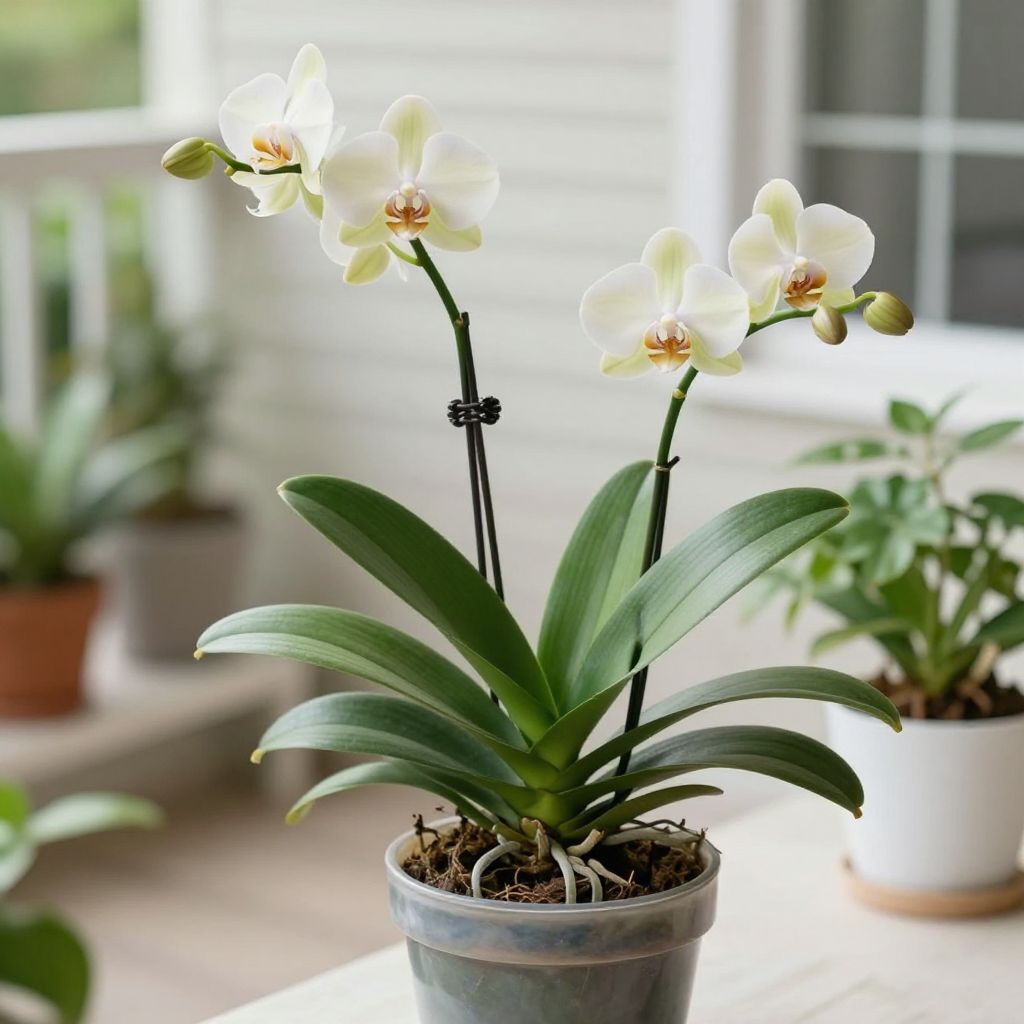
Are orchids perennials? Yes—most orchids are perennial plants, which means they can live for many years and bloom repeatedly when grown in suitable conditions. Unlike annuals, they do not complete their life cycle in one season.
Whether you grow them indoors or outdoors depends on the orchid type and your climate, but the basic idea is the same: orchids are long-lived plants that need the right light, moisture, air movement, and potting mix to thrive year after year.
Are orchids perennials?
Yes. Orchids are generally perennial plants, and many popular houseplant orchids, such as Phalaenopsis, Cattleya, and Dendrobium, can live and rebloom for years. Their flowers are temporary, but the plant itself is long-lived if you provide proper light, drainage, humidity, and after-bloom care.
What makes orchids different from other perennials?
Orchids are perennials, but they do not behave like many garden perennials planted in ordinary soil. Most orchids are epiphytes, which means they grow on trees or rocks in nature rather than in dense ground soil. Their roots need plenty of air and fast drainage.
Why this matters for care
- They need a loose growing medium, not heavy garden soil.
- They dislike standing water around the roots.
- They often bloom seasonally, then rest before blooming again.
- They can live for many years if repotted and maintained correctly.
Indoor vs. outdoor orchids
Not all orchids are grown the same way. Some are best kept as houseplants, while others can grow outdoors in mild or tropical climates. The right choice depends on temperature, humidity, and how much protection your local weather provides.
Indoor orchids
Most beginners grow orchids indoors because it is easier to control temperature and moisture. A bright windowsill, good airflow, and a suitable potting mix usually give better results than a dark room or a standard houseplant potting blend.
Outdoor orchids
Some orchids can be grown outdoors in frost-free or warm climates, but they still need shelter from harsh sun, heavy rain, and cold snaps. If you live in a cooler region, many orchids should be brought inside before temperatures drop too low.
How to grow orchids as long-lived perennials
To keep an orchid healthy for years, focus on the conditions its roots need. The biggest mistake is treating it like a typical potted plant. Orchids usually fail from too much water, poor drainage, or a mix that breaks down and suffocates the roots.
1. Choose the right pot and mix
Use a pot with drainage holes. Clear plastic orchid pots can be helpful because they let you monitor root health and moisture levels, but any well-draining container can work.
Use an orchid mix made for epiphytic orchids, often containing bark, sphagnum moss, perlite, charcoal, or similar airy materials. The goal is to keep roots moist but never soggy.
2. Give bright, filtered light
Most orchids do best in bright, indirect light. An east-facing window is often a good starting point. A south- or west-facing window may work if you filter strong sun with a sheer curtain.
Leaves that are deep green and floppy may suggest too little light. Yellowing or scorched leaves can indicate too much direct sun.
3. Water carefully
Water when the potting mix is approaching dryness, not on a rigid schedule. The right timing depends on pot size, temperature, humidity, airflow, and the type of orchid.
- Water thoroughly so the mix is evenly moistened.
- Let excess water drain away completely.
- Never let the pot sit in water.
- Reduce watering in cooler or darker months when growth slows.
If you are unsure, check the roots and mix before watering. Silvery roots and a dry-feeling pot often mean it is time to water; green roots and damp mix usually mean wait a bit longer.
4. Keep humidity and airflow balanced
Orchids appreciate moderate humidity, but stagnant air can encourage disease. A bathroom or kitchen may be humid enough for some orchids, yet they still need ventilation. A small fan on a low setting can help indoors if air is still.
Avoid crowding orchids too closely together. Good spacing helps leaves and roots dry at a healthy pace after watering.
5. Feed lightly during active growth
Orchids do not need heavy fertilizing. A balanced orchid fertilizer used at a diluted strength during active growth is usually enough for many home growers. Follow the product label and adjust to your plant’s response, potting mix, and season.
Overfertilizing can burn roots and leave salt buildup in the potting medium. If you notice crusty residue, flush the pot with clean water and reduce feeding.
Seasonal care for perennial orchids
Because orchids are perennials, their care changes through the year. Many orchids grow actively in warmer, brighter months and slow down when days shorten or temperatures cool. Matching care to the season helps them rebloom.
During active growth
- Water a little more often if the mix dries faster.
- Feed lightly if the plant is producing new leaves or roots.
- Watch for new root tips and fresh growth.
After flowering
Once blooms fade, the plant may need a recovery period. Do not assume it is dying just because the flowers are gone. The leaves and roots are what keep the plant alive for the next bloom cycle.
For many orchids, you can trim spent flower spikes only after they finish blooming. Some types may rebloom from the same spike, while others do better if the spike is removed. If you are unsure of the orchid type, leave healthy green spikes in place until you can identify the plant.
Common orchid problems and how to fix them
Most orchid problems are related to root stress, poor light, or watering mistakes. Catching issues early makes it much easier to save the plant.
Yellow leaves
A single older leaf yellowing naturally is not always a problem. Multiple yellow leaves, especially with mushy roots, may point to overwatering or root rot. Check the potting mix and roots right away.
Wrinkled leaves
Wrinkled or leathery leaves can mean the orchid is not taking up enough water. This may happen if roots are damaged, the mix is too dry, or the plant is severely rootbound.
Root rot
Root rot is one of the most common orchid killers. Signs include soft brown roots, a sour smell, and collapsing leaves. Remove the plant from the pot, trim dead roots with clean tools, and repot into fresh orchid mix.
Pests
Orchids can attract mealybugs, scale, spider mites, and aphids, especially indoors. Inspect leaf joints, undersides of leaves, and flower spikes regularly.
- Wipe small infestations off with a damp cloth or cotton swab.
- Isolate the plant from others while treating it.
- Improve airflow and avoid overwatering, which can weaken the plant.
Repotting orchids so they stay perennial
Repotting is part of keeping orchids healthy over the long term. Orchid mix breaks down over time, becoming too fine and water-retentive. When that happens, roots lose the air space they need.
When to repot
Repot when the mix has decomposed, roots are crowded, or the plant has outgrown its container. Many orchids are repotted every one to three years, but timing depends on the mix and the plant’s growth rate.
Basic repotting steps
- Water lightly the day before if the plant is very dry.
- Remove the orchid from its pot and gently shake off old mix.
- Trim dead, mushy, or hollow roots with sterilized scissors.
- Place the plant in fresh orchid mix in a clean pot with drainage.
- Set the plant so the crown is above the mix and not buried.
- Wait a few days before watering heavily if roots were cut.
Do not use ordinary garden soil. It holds too much water and can suffocate orchid roots quickly.
How orchids rebloom year after year
Because orchids are perennials, reblooming is one of the main rewards of good care. The plant needs to stay healthy enough to store energy between flowering cycles.
To encourage reblooming, keep the plant in strong indirect light, maintain steady care, and avoid frequent stress from overwatering, drafts, or repeated repotting. Some orchids also respond to a slight drop in nighttime temperature, but this varies by species and hybrid.
Signs your orchid is on track
- Firm, green or silvery roots with active root tips
- Healthy leaves that are not limp or heavily spotted
- New leaves or roots forming during the growing season
- A flower spike emerging after a period of steady growth
Practical mistakes to avoid
Many orchid failures come from a few common habits that seem helpful but actually harm the plant.
- Overwatering or leaving the pot in a saucer of water.
- Using dense potting soil instead of orchid mix.
- Placing the orchid in hot direct sun for long periods.
- Ignoring old, broken-down potting media.
- Cutting healthy roots or leaves without checking whether they are truly dead.
- Feeding too heavily in an effort to force blooms.
Conclusion
So, are orchids perennials? Absolutely. With the right light, airy potting mix, careful watering, and occasional repotting, many orchids can live and bloom for years. Start by checking the roots, the potting mix, and the light in your growing space, then adjust care to your climate and season.
If you want to keep learning, a helpful next step is reading more about orchid care basics and how to repot orchids so your plant stays healthy long after the flowers fade.