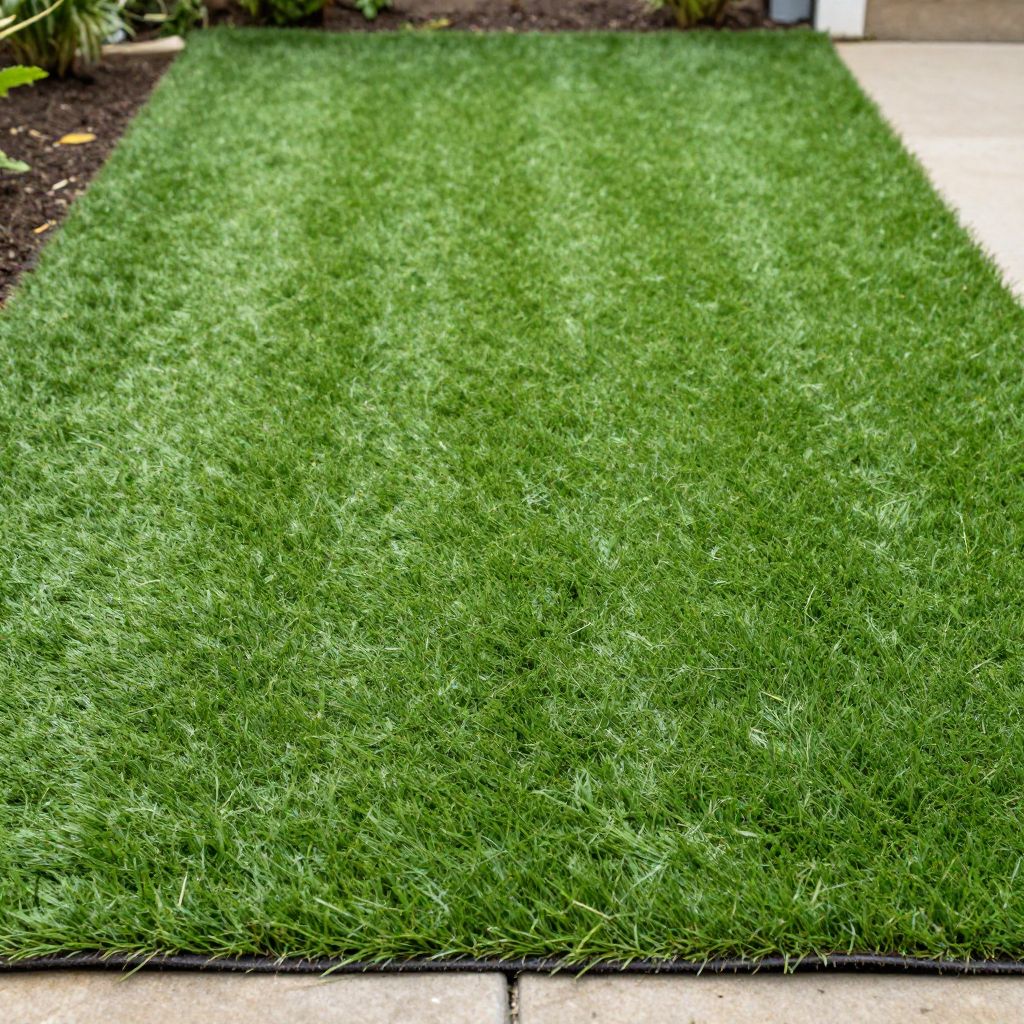
Are you wondering what is Astro Turf and whether it belongs in a gardening guide? Astro Turf is a brand name that has become a common term for artificial grass, a synthetic surface used in lawns, play areas, patios, rooftops, and low-maintenance landscapes.
For gardeners, it matters because Astro Turf changes how you design, drain, water, and maintain an outdoor space. It can solve some problems, but it also creates new ones, especially if you want a living planting bed nearby or a healthy soil surface underneath.
What is Astro Turf?
Astro Turf is artificial turf made from synthetic fibers designed to look like grass. It does not grow, need mowing, or require fertilizing, but it can heat up in sun, shed debris into nearby beds, and affect drainage if installed poorly. In gardens, it is best treated as a hardscape surface, not a planting medium.
How Astro Turf fits into a garden
Astro Turf is useful where real grass struggles, such as shaded yards, high-traffic paths, pet areas, or small courtyards. It can also reduce mowing and irrigation, but it does not support soil life the way living turf does.
Common garden uses
- Low-maintenance lawns in dry or heavily used spaces
- Play areas where a softer, cleaner surface is wanted
- Rooftop or balcony gardens where weight and soil depth are limited
- Decorative courtyards and seating areas
- Pet runs when paired with proper drainage and cleaning access
Where it may not be the best choice
- Areas where you want to grow flowers, herbs, or vegetables in the ground
- Sites with poor drainage that already stay wet after rain
- Hot, sun-baked spaces where surface temperature is a concern
- Wildlife-friendly gardens that benefit from living ground cover
How to identify Astro Turf versus real grass
If you are looking at an existing surface, Astro Turf is easy to spot once you know what to check. It has a uniform texture, repeated blade shapes, and a backing layer underneath rather than roots in soil.
Simple identification clues
- The blades look too even in color and height
- You may see a seam where two sections meet
- The surface feels springy or slightly padded
- There are no roots, stolons, or runners in the ground
- Water may drain through holes or run off the surface
If you lift an edge, Astro Turf usually reveals a backing material, infill such as sand or rubber in some installations, and a prepared base below. Real turf, by contrast, is anchored in living soil and will show roots and organic matter.
Benefits and drawbacks for gardeners
Astro Turf can be practical, but it is not a universal replacement for living grass. The right choice depends on how you use the space, your climate, and whether you want a planting area or a clean, durable surface.
Potential benefits
- Reduced mowing and edging
- No need for routine watering to keep it green
- Useful where soil is shallow or compacted
- Can create a neat look in small or difficult spaces
Potential drawbacks
- No habitat value for soil organisms or many pollinators
- Surface can become hot in direct sun
- Debris, pet waste, and dust still need cleaning
- Poor installation can trap water or create odors
- It does not improve soil the way living plants do
How to install Astro Turf in a garden setting
Good installation matters more than the turf itself. A stable base, proper drainage, and clean edges help prevent wrinkles, puddles, and premature wear.
Basic installation steps
- Clear the area of weeds, roots, stones, and old turf.
- Level the ground and correct obvious low spots.
- Install a compacted base that supports drainage, often using crushed stone or similar aggregate.
- Add a weed barrier if appropriate for your site, but do not rely on it to solve drainage problems.
- Roll out the turf and let it relax before cutting.
- Trim edges carefully and secure seams so they stay flat.
- Brush the fibers upright and add any specified infill.
Drainage is critical
Astro Turf should not sit directly over soggy or compacted soil without a proper base. If water cannot move away, the surface may smell, feel soft, or develop algae and moss in shaded areas.
Best practice: make sure the ground below slopes slightly away from buildings and that the base material is designed to move water through, not hold it.
Soil, drainage, and nearby planting beds
Astro Turf does not use garden soil in the way a lawn does, but the surrounding soil still matters. Edges near borders, trees, and beds need careful planning so roots, runoff, and moisture do not create problems.
Protecting adjacent plants
- Leave room around shrubs and trees so roots are not smothered
- Use edging that keeps mulch and soil from spilling onto the turf
- Do not bury tree trunks or flare bases under turf edges
- Allow irrigation from nearby beds to reach plant roots without flooding the turf
If you are installing Astro Turf near existing plants, check whether those plants need open soil, mulch, or regular irrigation. Some trees and shrubs can tolerate nearby turf, but they still need air and water movement in the root zone.
Watering, cleaning, and maintenance
Astro Turf does not need watering for growth, but it does need occasional rinsing and cleaning. The exact routine depends on weather, pets, foot traffic, and nearby trees.
Routine care tasks
- Rinse dust or pollen off during dry periods if buildup is visible
- Remove leaves and twigs before they break down into debris
- Brush flattened fibers to keep the surface looking even
- Clean spills promptly to prevent staining or odors
- Pick up pet waste quickly and sanitize as needed
Seasonal care tips
- Spring: clear winter debris and check seams or edges
- Summer: watch for heat buildup and rinse if the surface is uncomfortably warm
- Autumn: remove fallen leaves often so they do not decompose on the turf
- Winter: avoid aggressive scraping that can damage the fibers or backing
Common problems and how to fix them
Most Astro Turf problems come from installation, drainage, or neglect rather than from the material itself. Catching issues early makes repairs easier.
Puddling or slow drainage
If water sits on the surface, the base may be compacted, uneven, or blocked. Check for low spots, clogged drainage holes, or soil movement beneath the turf.
- Brush away debris that may block drainage
- Check the slope and base for settling
- Repair severe issues by lifting and reworking the affected section
Odors in pet areas
Odors usually come from waste residue in the backing or base layer. Regular rinsing and approved cleaners help, but persistent smells may mean the area needs deeper cleaning.
Flattened or matted fibers
Heavy use can press the blades down. A stiff broom or turf brush can lift them back up, especially after debris is removed.
Weeds at the edges
Weeds often appear where turf meets beds, paving, or gaps in edging. Pull them early and improve edge sealing rather than letting roots spread under the surface.
Astro Turf versus living grass
For gardeners, the main question is not just what Astro Turf is, but whether it suits the job better than real grass. Living turf cools the landscape, supports soil life, and can absorb some rainfall, while Astro Turf offers consistency and low mowing demands.
Choose Astro Turf if you want
- A tidy surface with less mowing
- Better usability in difficult sites
- A solution for small areas where grass fails repeatedly
Choose living grass if you want
- A cooler, more natural garden surface
- Habitat value and soil improvement
- A surface that can be overseeded, renovated, and adapted over time
Practical mistakes to avoid
- Installing Astro Turf directly on poorly drained soil
- Ignoring heat buildup in full-sun areas
- Cutting corners on edging and seam work
- Placing it where you really need planting space
- Assuming it is maintenance-free
The best results come from treating Astro Turf as a designed surface with its own needs, not as a substitute for every lawn situation. If you plan carefully, it can be a useful part of a garden layout.
Before you install or replace a lawn, walk the site after rain, note where water collects, and decide whether you need a living planting area or a durable synthetic surface. For more garden planning help, you may also want to read about choosing the right ground cover for difficult areas and improving garden drainage before planting.