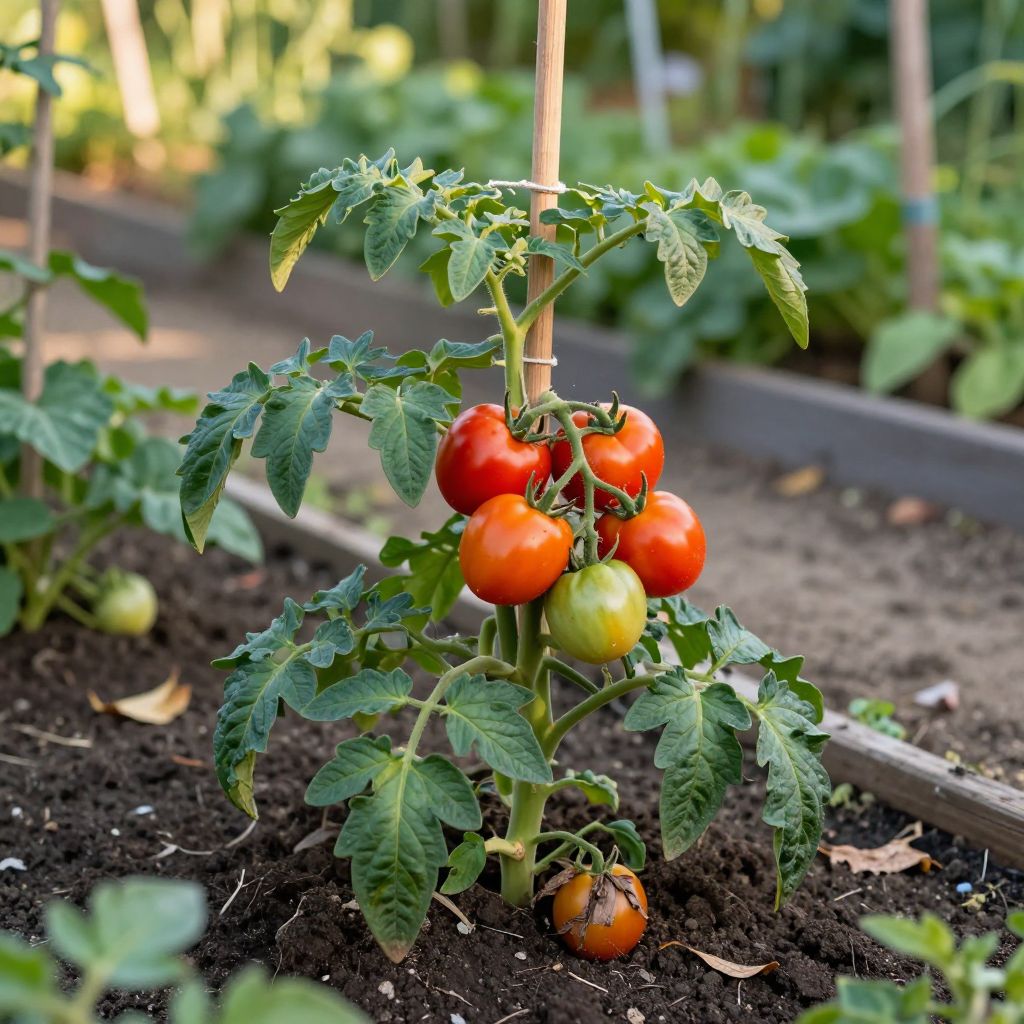
Are tomato plants perennial? In most home gardens, the practical answer is no: tomatoes are usually grown as annuals because frost kills them. But botanically, Solanum lycopersicum is a short-lived perennial in frost-free climates, and with the right conditions you can keep plants alive longer than one season.
That matters if you garden in a warm region, grow tomatoes indoors, or want to overwinter a favorite plant. Understanding how tomatoes behave helps you decide whether to replant each year, try to save plants, or simply take cuttings for a fresh start.
Are tomato plants perennial?
Tomato plants are technically perennial in tropical and frost-free climates, but they are treated as annuals in most gardens because cold weather, disease pressure, and declining productivity usually end their useful life after one season. In warm conditions, they can survive for multiple years if protected from frost and kept healthy.
Why tomatoes are usually grown as annuals
Even though the plant can live longer than one season, most gardeners start over each year for good reasons. Older tomato plants often become more disease-prone, less productive, and harder to manage than vigorous young transplants.
Common reasons to replace tomato plants yearly
- Frost damage: Tomatoes are very sensitive to freezing temperatures.
- Disease buildup: Soilborne and foliar diseases become more likely over time.
- Declining vigor: Older stems can become woody and less productive.
- Pest pressure: Aphids, whiteflies, hornworms, and mites often increase as plants age.
For many gardeners, replanting each year gives better fruit quality and fewer problems than trying to nurse an old plant through another season.
When can tomato plants behave like perennials?
Tomatoes can act like perennials in climates where temperatures stay above freezing year-round. They may also persist in greenhouses, conservatories, sunrooms, or bright indoor spaces if they get enough light and are protected from cold drafts.
Situations where tomatoes may survive longer
- Warm coastal or tropical climates with no frost
- Heated greenhouses
- Indoor growing under strong grow lights
- Protected patios or enclosed porches in mild climates
Even in these settings, survival does not guarantee strong production. A tomato plant can live longer than one year and still become leggy, pest-ridden, or less fruitful.
How to overwinter tomato plants
If you want to keep a tomato plant alive, the goal is to protect it from cold and reduce stress. Overwintering is most useful for prized varieties, container-grown plants, or gardeners who want to save a healthy plant rather than start from seed again.
Option 1: Move potted tomatoes indoors
- Bring the plant inside before the first frost.
- Inspect it carefully for pests and remove damaged leaves.
- Place it in the brightest window you have, or use grow lights.
- Water sparingly, letting the top layer of soil dry slightly between waterings.
- Keep it away from cold windows, heaters, and drafts.
Indoor light is usually the biggest challenge. A sunny window may help, but many tomatoes need supplemental light to stay compact and healthy through winter.
Option 2: Take cuttings
Instead of saving the whole plant, you can root healthy stem cuttings from a vigorous tomato. This is often easier than maintaining a large mature plant indoors.
- Choose a healthy, non-flowering stem tip about 4 to 6 inches long.
- Remove the lower leaves.
- Place the stem in water or a moist rooting medium.
- Keep it warm and brightly lit until roots form.
Cuttings are especially useful if you want to preserve a favorite variety without hauling a large plant indoors.
Option 3: Keep plants going in a greenhouse
A greenhouse can extend the life of tomatoes well beyond the outdoor season, especially if temperatures stay above freezing and airflow is good. Ventilation matters because damp, stagnant air encourages fungal disease.
Best growing conditions for longer-lived tomato plants
If you want tomatoes to stay healthy for as long as possible, give them the right basics from the start. Strong growth early in the season makes it easier to extend the plant later if your climate allows.
Light
Tomatoes need full sun outdoors, ideally 6 to 8 hours or more of direct light each day. Indoors, use the brightest spot available and consider grow lights if natural light is weak.
Soil
Use fertile, well-draining soil rich in organic matter. Tomatoes dislike soggy roots, so raised beds, containers with drainage holes, or amended garden beds often work best.
Water
Water deeply and consistently, but avoid keeping the soil wet all the time. Uneven watering can lead to blossom-end rot, fruit cracking, and stress that weakens the plant.
Temperature
Tomatoes grow best in warm conditions and slow down in cool weather. They can survive brief cool spells, but frost will damage or kill them.
Pruning and maintenance for older tomato plants
As tomato plants age, sensible pruning can improve airflow and reduce disease. The goal is not to strip the plant bare, but to keep it manageable and productive.
What to remove
- Yellowing or diseased lower leaves
- Suckers if you are growing indeterminate types and want better airflow
- Dead stems and weak growth
- Overcrowded foliage touching the soil
Use clean pruners or scissors and disinfect them between plants if disease is present. This is a simple step that helps prevent spreading problems from one plant to another.
Support matters
Older tomato plants can become heavy and sprawling. Stakes, cages, or trellises help keep fruit off the ground, improve air circulation, and make inspection easier.
Common problems with perennial or overwintered tomatoes
Keeping tomatoes alive longer can work, but it also increases the chance of pest and disease issues. Watch plants closely, especially when moving them indoors or into protected spaces.
Pests
- Aphids: Cluster on tender new growth and undersides of leaves.
- Whiteflies: Often appear indoors or in greenhouses.
- Spider mites: Thrive in hot, dry, indoor conditions.
- Hornworms: Can strip foliage quickly outdoors.
Check leaves regularly and act early. A strong spray of water, hand-picking, insecticidal soap, or removing badly infested growth may help, depending on the pest and severity.
Diseases
- Early blight
- Septoria leaf spot
- Powdery mildew in some conditions
- Root problems from poor drainage
Once disease is established, older plants are harder to rescue. Good spacing, clean tools, and removing infected leaves early are your best defenses.
Signs the plant is past its best
- Very slow growth despite warm weather
- Small yields or poor fruit set
- Persistent yellowing or leaf drop
- Repeated pest infestations
- Stems becoming woody and unproductive
If several of these problems show up, it is usually better to start fresh with a new plant or new cuttings than to keep pushing an exhausted vine.
Should you try to keep tomato plants from year to year?
That depends on your climate and goals. If you garden in a frost-free area, overwintering may be worth trying. If you live where winters are cold, it is often more practical to save seeds, root cuttings, or buy new transplants each spring.
Best reasons to keep a plant
- You have a favorite variety you want to preserve
- Your climate is mild enough for winter survival
- You have greenhouse or indoor space
- The plant is still vigorous and healthy
Best reasons to start over
- Your plant has disease or heavy pest damage
- Winter light is too weak indoors
- The plant is crowded, leggy, or unproductive
- You want the simplest, most reliable harvest
Practical tips for better tomato success
Whether you treat tomatoes as annuals or try to keep them alive longer, a few habits make a big difference. These basics support healthier plants and better fruit.
- Rotate planting areas when possible to reduce soil disease.
- Mulch to help hold moisture and reduce soil splash.
- Space plants for airflow, especially in humid climates.
- Feed with compost or a balanced fertilizer based on your soil and plant needs.
- Harvest fruit regularly to encourage continued production.
Important: Avoid overwatering, overcrowding, and letting diseased leaves remain on the plant. Those three mistakes cause many of the problems gardeners blame on age alone.
Conclusion
So, are tomato plants perennial? Yes in botanical terms, but in most home gardens they are grown as annuals because frost and disease usually end their season. If you live in a warm climate or have indoor growing space, you can try overwintering a healthy plant or rooting cuttings for another round.
If you want to improve next season’s results, read more about tomato pruning, soil preparation, and disease prevention before you plant again.