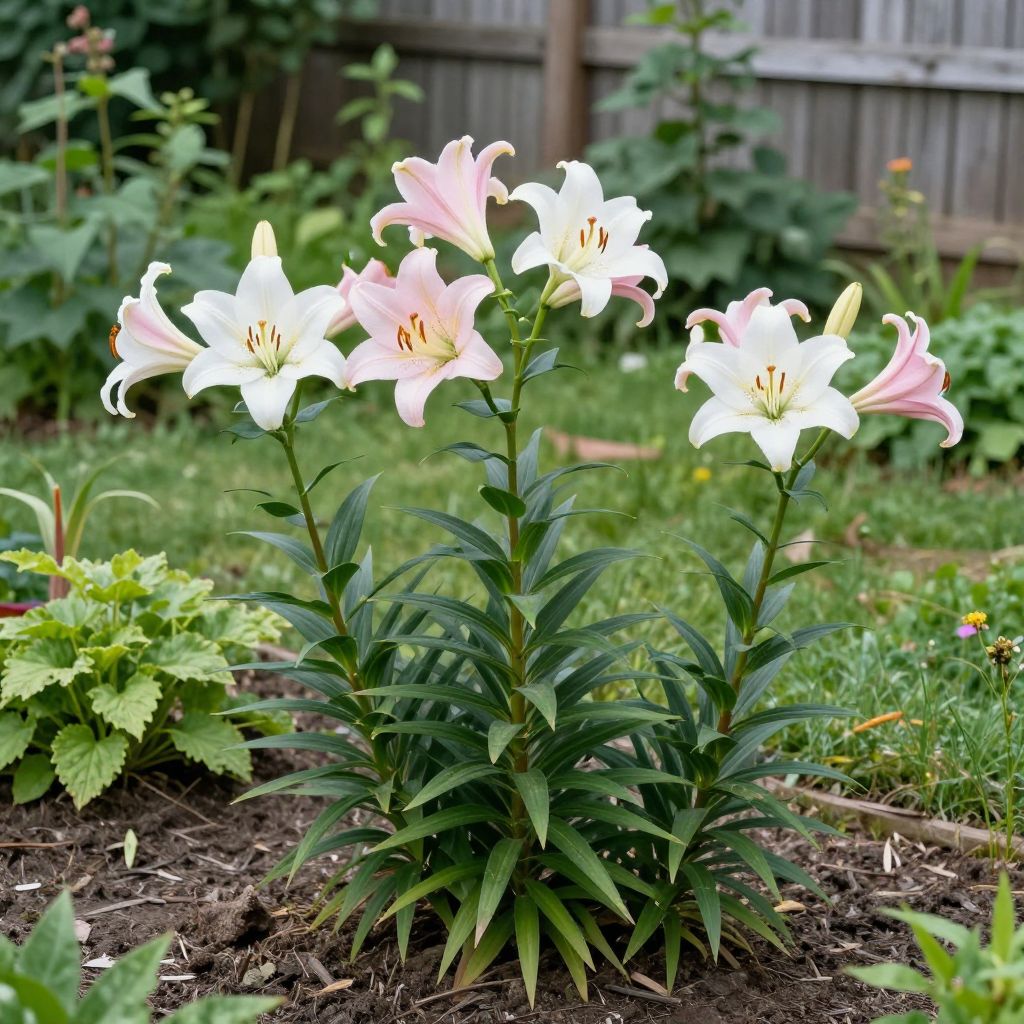
Are lilies deer resistant? The short answer is: not reliably. Deer may avoid lilies more than some other ornamentals, but when food is scarce they often browse lily buds, flowers, and tender stems. If you want lilies in a deer-prone garden, the best approach is to treat them as a tempting plant that needs protection.
That does not mean you have to give up on lilies. With the right placement, barriers, and care, you can still grow healthy plants and reduce damage. The key is understanding which lilies are most at risk, when deer are most likely to feed, and how to make your garden less appealing.
Are lilies deer resistant?
Lilies are often considered moderately deer resistant at best, but they are not deer-proof. Deer usually prefer soft, palatable plants, and many lilies have strong scents or bitter compounds that can deter browsing. Still, hungry deer will eat lily shoots, buds, blooms, and even leaves if they are accessible.
Why deer sometimes eat lilies anyway
Deer feeding is driven more by availability than by a strict list of “safe” plants. In spring, when new growth is tender, lilies can be especially vulnerable. In summer, deer may target flower buds and open blooms, and in dry or overbrowsed areas they may sample almost anything green.
Parts of the lily deer are most likely to damage
- Emerging shoots in spring
- Flower buds before they open
- Blooms once they are visible and easy to reach
- Young stems and leaves in planted borders or beds near cover
What makes lilies more or less appealing
- Location: Deer browse more in gardens near woods, hedges, or sheltered pathways.
- Food pressure: The less natural forage available, the more likely deer are to sample lilies.
- Plant age: Young, lush growth is usually more attractive than mature, tougher foliage.
- Protection: Unprotected beds are far more likely to be damaged than fenced or netted plantings.
How to grow lilies in a deer-prone garden
If deer visit your yard regularly, successful lily growing depends on combining good planting practices with protection. Healthy lilies can recover from minor browsing, but repeated feeding weakens bulbs and reduces flowering the following season.
Choose the right planting spot
Plant lilies where deer are less likely to linger, such as close to the house, near high-traffic areas, or inside a fenced garden. Avoid placing them along wooded edges or open deer trails unless you are prepared to protect them.
Give lilies the conditions they need
Most garden lilies grow best in full sun to partial sun with soil that drains well. Bulbs sitting in wet soil are more likely to rot, especially in cool weather. A slightly raised bed or amended border can help if your garden holds water after rain.
- Soil: Loose, fertile, and well-drained
- Compost: Mix in compost to improve structure, not heavy manure that stays too wet
- Drainage: Essential for bulb health
- Mulch: Use a light layer to conserve moisture, but keep it from touching the stems directly
Planting basics that help lilies establish
- Plant bulbs in a spot with good drainage and enough sun for strong growth.
- Set bulbs at the depth recommended for the type you are growing, usually several inches below the soil surface.
- Water after planting to settle the soil, then keep the area evenly moist as roots establish.
- Mark the planting location so you do not accidentally disturb dormant bulbs later.
Best ways to protect lilies from deer
Because lilies are not reliably deer resistant, protection is often the deciding factor. The most effective method is exclusion, but you can also reduce browsing with smart placement and deterrents. For serious deer pressure, use more than one tactic at the same time.
1. Use physical barriers first
Fencing is the most dependable solution. Even a simple garden fence can help if it is tall enough and installed correctly. Deer can jump surprisingly high, so low decorative fences usually do little unless they are part of a layered barrier.
- Use sturdy fencing around the whole bed or garden area when possible.
- Protect individual lilies with wire cages or mesh covers while they are young.
- Temporary netting can help during the period when shoots and buds are most vulnerable.
2. Try repellents, but expect to reapply
Deer repellents can reduce damage, especially when used early before deer start feeding heavily. They work best as part of a routine and may need reapplication after rain or as new growth appears. Follow the product label carefully and rotate methods if deer become accustomed to one scent or taste deterrent.
3. Make the planting less inviting
You can sometimes reduce browsing by placing lilies among less palatable plants or by using them in mixed borders rather than isolated clumps. Deer are more likely to notice a lone, tender lily than a bed with varied textures and stronger-smelling companions.
4. Watch for seasonal pressure
Spring is often the most dangerous time for lilies because new shoots are tender and easy for deer to reach. If your area has a history of heavy browsing, protect plants before growth emerges rather than waiting until damage appears.
Which lilies are most likely to be browsed?
Different lilies can vary in how attractive they seem to deer, but no lily should be considered fully safe. Fragrance, tenderness, and availability matter more than the exact name on the tag. If deer pressure is high, assume any lily may be sampled.
Practical takeaway for common garden lilies
- Asiatic lilies are often grown for their strong stems and bright flowers, but deer may still browse them.
- Oriental lilies can be especially tempting when buds and blooms are present.
- Trumpet lilies are not immune, even if they are less frequently damaged in some gardens.
If you are choosing plants for a deer-heavy site, it is safer to think in terms of “less preferred” rather than “resistant.” That mindset helps you plan for protection instead of being surprised by damage.
What to do if deer have already eaten your lilies
Minor browsing does not always kill a lily. If the bulb and some leaves remain, the plant may recover and bloom again later or the following season. The goal is to prevent repeated damage, which weakens the bulb and reduces stored energy.
Damage assessment checklist
- If only the flower was eaten, the plant may still continue growing.
- If the stem was cut or broken, remove ragged tissue cleanly.
- If all foliage was removed, the bulb may survive but will need time to rebuild energy.
- If the bulb was dug up or severely damaged, replacement may be necessary.
How to help the plant recover
- Trim torn stems with clean pruners to reduce stress and disease entry.
- Keep the plant watered during dry spells, but do not waterlog the soil.
- Leave healthy foliage in place so the bulb can store energy.
- Protect regrowth immediately with fencing, netting, or repellents.
Common mistakes to avoid
Many gardeners lose lilies to deer because they rely on one weak deterrent or wait until after damage starts. A few simple mistakes can make a big difference in whether your plants survive the season.
- Assuming “deer resistant” means deer proof.
- Planting lilies right along a deer trail or wooded edge without protection.
- Using only a low decorative border as a barrier.
- Applying repellents too late, after deer have already learned the bed is edible.
- Letting bulbs sit in soggy soil, which weakens plants and reduces regrowth after browsing.
Simple maintenance tips for healthier lilies
Healthy lilies are better able to bounce back from stress, including light browsing. Good care will not stop deer on its own, but it improves the plant’s resilience and flowering performance.
- Water deeply when needed rather than giving frequent shallow sprinkles.
- Keep the soil evenly moist during active growth, especially after planting.
- Remove spent blooms if you want a tidier look, but keep healthy leaves until they yellow naturally.
- Feed lightly with compost or a balanced bulb fertilizer if your soil is poor, but avoid overfertilizing soft, floppy growth.
- Watch for lily beetles, slugs, and fungal leaf spots, which can compound deer damage.
Can you still grow lilies successfully if deer visit often?
Yes, but you will usually need a plan. In a low-pressure area, lilies may do fine with occasional repellent use. In a high-pressure area, physical protection is usually necessary. The more frequently deer visit, the more important it becomes to combine barriers, smart placement, and consistent monitoring.
Best rule of thumb: if you would be upset to lose the buds, protect the plant before the buds form. That is the easiest time to stay ahead of deer damage.
Conclusion
So, are lilies deer resistant? They are only mildly resistant at best, and in many gardens deer will still browse them. If you want lilies to thrive, plant them in well-drained soil, give them the sun they need, and protect them with fencing, netting, or repellents before deer start feeding.
If you are planning more deer-aware planting, you may also want to compare other landscape choices such as are begonias deer resistant and are azaleas deer resistant.