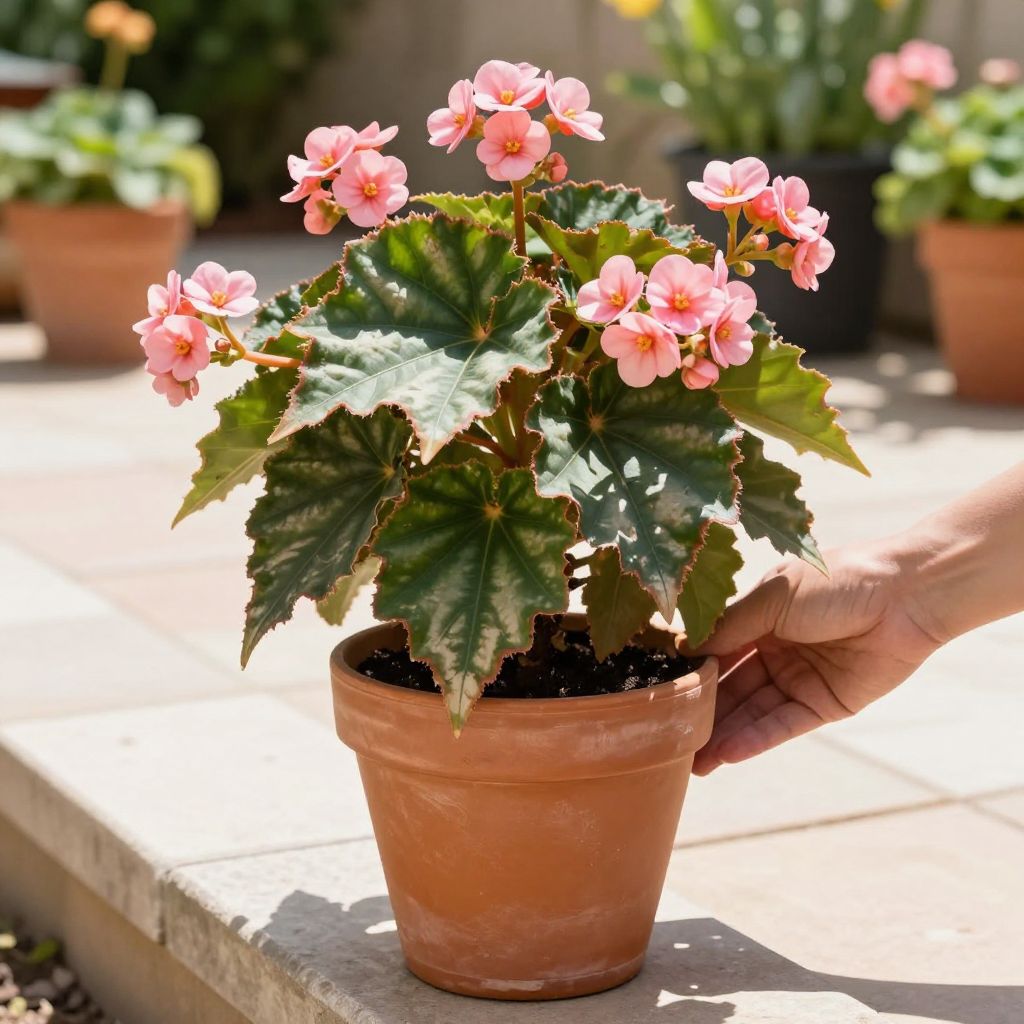
Can begonias take full sun? Sometimes—but only if you choose the right type and give it the right growing conditions. Many begonias scorch in harsh midday sun, while others can handle more light, especially in cooler climates or with morning sun and afternoon shade.
The key is matching the begonia to your site. Light, heat, humidity, soil moisture, and the plant’s age all affect how much sun it can tolerate, so the answer is less about a simple yes or no and more about smart placement and care.
Can begonias take full sun?
Some begonias can tolerate full sun, but most do best in bright shade, filtered light, or morning sun with afternoon protection. Wax begonias and some newer hybrids are more sun-tolerant than tuberous, rex, and many cane begonias. In hot climates, even “sun-loving” begonias usually need some relief from intense afternoon heat.
Which begonias handle more sun?
Not all begonias are alike. Before you plant, identify the type you have, because sun tolerance varies a lot by group.
More sun-tolerant begonias
- Wax begonias (Begonia semperflorens types) often perform well in part sun and can take more direct light than many other begonias.
- Dragon wing begonias are generally more vigorous and can handle brighter conditions if kept evenly moist.
- Some newer landscape hybrids are bred for better heat and sun tolerance, but they still appreciate protection from the harshest afternoon rays.
Begonias that usually prefer shade
- Tuberous begonias often scorch in full sun, especially in hot, dry weather.
- Rex begonias are grown mainly for foliage and usually need bright, indirect light rather than direct sun.
- Cane begonias and many rhizomatous begonias prefer filtered light and can suffer leaf burn in strong sun.
What “full sun” really means for begonias
Full sun generally means 6 or more hours of direct sunlight a day, but that light is not equal everywhere. A begonia that copes with six hours of gentle morning sun may fail in six hours of hot afternoon sun.
Temperature matters as much as light. In cooler coastal or northern climates, begonias may take more direct light than they can in hot inland gardens. In warm regions, the same plant may need shade by midday to stay healthy.
Signs the sun is too strong
- Bleached or faded leaves
- Brown, crispy edges or patches
- Wilting even when the soil is moist
- Flowers dropping quickly
- Stunted growth or thin, stressed foliage
Best light conditions for begonias
For most begonias, the safest outdoor location is bright shade or dappled light. A site with morning sun and afternoon shade is often ideal, especially in summer.
Good placement options
- East-facing beds or containers
- Under high-canopy trees that filter light
- Porches with bright indirect light
- Patios that receive gentle morning sun only
- Areas shaded from hot western exposure
If you want to grow begonias in a sunnier spot, start with a more tolerant variety and watch the plant closely for the first two weeks. That early observation tells you whether the light level is truly suitable.
How to grow begonias in brighter sun safely
If your garden has strong sun and you still want begonias there, focus on reducing stress. Healthy roots, consistent moisture, and cooler soil make a big difference.
1. Improve the soil
Begonias prefer loose, well-drained soil that holds some moisture without staying soggy. Mix in compost to improve texture and water retention, especially in sandy beds.
- Use rich, airy soil rather than heavy clay.
- Work in compost before planting if the bed is poor or compacted.
- In containers, choose a quality potting mix with good drainage.
2. Mulch to cool the roots
A 2-inch layer of organic mulch helps keep roots cooler and reduces moisture loss. Keep mulch a little away from the stems so the crown does not stay overly wet.
3. Water consistently
Begonias in brighter sun dry out faster, so check soil moisture often. Water when the top inch of soil feels dry, but avoid leaving the roots in standing water.
- Water deeply so moisture reaches the root zone.
- Container plants may need more frequent checking than bed plants.
- Morning watering is usually best because it helps foliage dry before evening.
4. Give afternoon protection
If possible, use shade cloth, nearby plants, or a structure to block the strongest afternoon sun. Even a few hours of relief can prevent leaf scorch.
Container growing tips for sun-exposed begonias
Containers warm up faster than garden beds, so begonias in pots are more likely to suffer in full sun. That does not mean you cannot grow them there, but you need to be more attentive.
Choose the right pot
- Use a pot with drainage holes.
- Choose a size that gives roots room without holding excess water.
- Lighter-colored containers may stay cooler than dark ones in hot sun.
Watch moisture closely
Potting mix can dry out quickly in sun and wind. Check containers daily during hot weather, especially if the begonia is small or newly planted.
Move pots if needed
One advantage of container gardening is flexibility. If leaves start to scorch, move the pot to a brighter but gentler location right away.
How to tell if your begonia needs less sun
Begonias often show stress before they fail completely. If you catch the warning signs early, you can usually save the plant by adjusting light or moisture.
Look for these clues
- Leaves that look washed out or pale
- Dry, crispy leaf margins
- Flowers fading too quickly
- Plants that collapse in the afternoon but recover at night
- Soil drying out much faster than expected
If the plant is in a pot, move it first. If it is in the ground, add temporary shade and increase watering consistency before making larger changes.
Common mistakes when growing begonias in sun
Most problems come from assuming all begonias behave the same. A plant that thrives in one garden may struggle in another because the light and heat are different.
- Planting shade-loving begonias in western exposure where afternoon sun is intense.
- Letting the soil dry out completely between waterings in hot weather.
- Using heavy, poorly drained soil that stays wet after watering or rain.
- Skipping acclimation when moving a plant from indoors or shade into brighter light.
- Overfertilizing stressed plants, which can push weak, tender growth.
Pruning and maintenance in sunny spots
Begonias in brighter light may grow more compactly, but they still benefit from regular cleanup. Remove damaged leaves and spent flowers to keep the plant tidy and reduce disease pressure.
Simple maintenance routine
- Inspect leaves weekly for scorch, pests, or wilting.
- Pinch off faded blooms to encourage fresh flowering on many types.
- Remove yellow or damaged leaves at the base.
- Check soil moisture before watering again.
- Rotate containers occasionally so growth stays even.
Pests and diseases to watch for
Sun-stressed begonias are more vulnerable to pests and disease, so good growing conditions are part of prevention. Healthy plants resist problems better than plants that are constantly dry, hot, or crowded.
Common issues
- Powdery mildew can appear when air circulation is poor, especially if leaves stay damp.
- Root rot develops in soggy soil or pots without drainage.
- Aphids, mealybugs, and whiteflies may attack tender growth.
- Spider mites can become a problem in hot, dry conditions.
To reduce trouble, space plants properly, avoid overhead watering late in the day, and remove badly affected leaves promptly. If pests appear, treat early with a gentle, appropriate control method for your plant and situation.
Can you propagate begonias that grow in sun?
Yes, many begonias can be propagated from stem cuttings or division, depending on the type. If a plant is thriving in a brighter location, propagation can be a good way to replace older plants or share extras.
Basic propagation tips
- Take cuttings from healthy, non-scorched growth.
- Use clean tools to avoid spreading disease.
- Root cuttings in a light, well-drained medium.
- Keep new cuttings in bright shade until established.
Do not root cuttings in harsh sun. Young plants need gentler light than mature ones, and they dry out quickly before roots form.
Best takeaways for begonia care in sun
So, can begonias take full sun? Some can, but most prefer less intense light. The safest approach is to match the begonia type to your climate, give it morning sun or filtered light, and keep the soil evenly moist and well drained.
If your begonia is already in a sunny spot, watch the leaves for stress and adjust quickly. A small change in placement, watering, or mulch can make the difference between a scorched plant and one that flowers well all season.
For more plant care help, you may also enjoy reading about begonia soil and container care and how to grow shade-loving annuals in bright gardens.