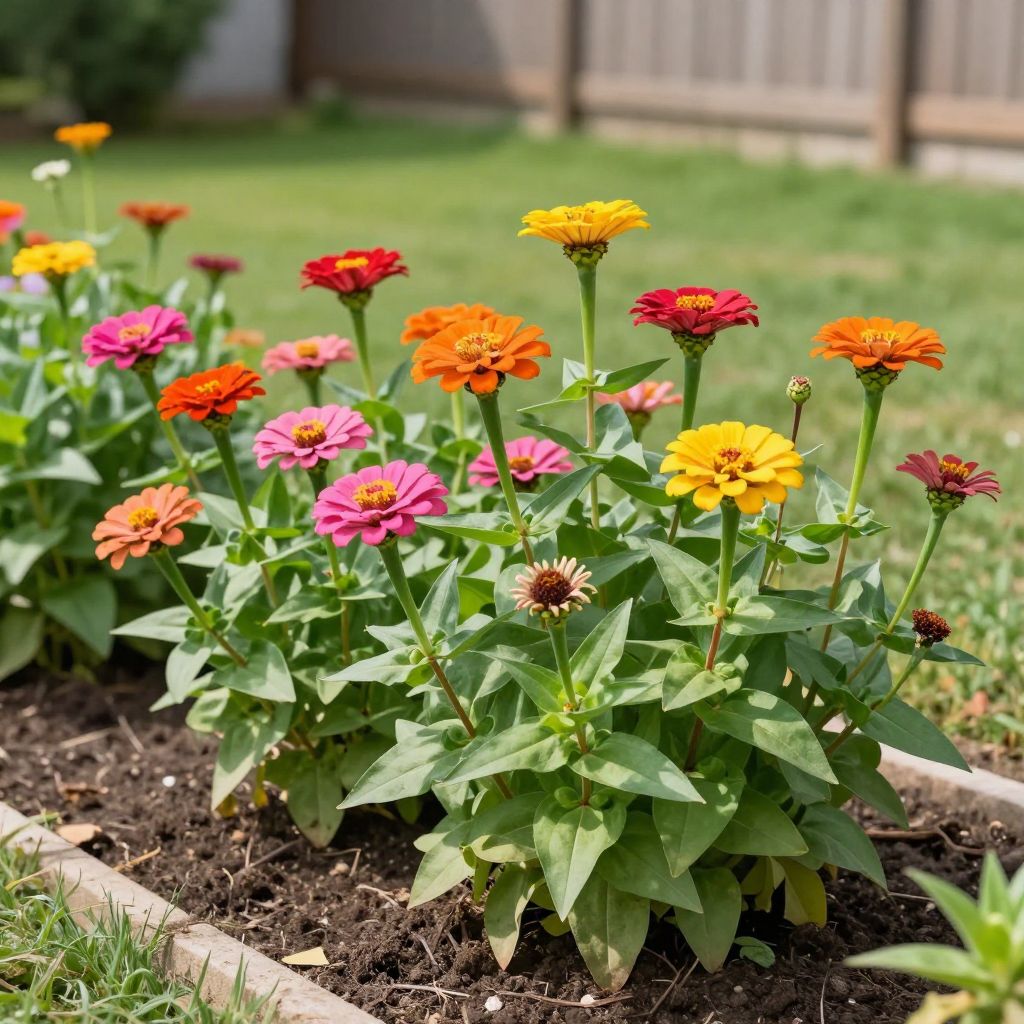
Are zinnia perennials? If you love their bright, long-blooming flowers, it helps to know whether they’ll come back on their own next year. The short answer is that most garden zinnias are grown as annuals, not true perennials, in typical home gardens.
That does not make them difficult or disappointing plants. Zinnias are fast, colorful, and easy to grow from seed, and with the right care you can enjoy a long season of blooms until frost.
Are zinnia perennials?
Zinnias are generally annuals, meaning they complete their life cycle in one growing season. In most climates, they are killed by frost and do not return the following year. A few zinnia species may behave as short-lived perennials in frost-free regions, but most gardeners treat them as seasonal flowers.
Why zinnias are usually grown as annuals
Common garden zinnias, especially Zinnia elegans, are warm-season plants that grow quickly, flower heavily, and then decline when cold weather arrives. They are not reliably winter-hardy in cold climates, so even healthy plants usually won’t survive freezing temperatures.
What this means in practice
- Plant them after frost danger has passed.
- Expect them to bloom through summer and into fall.
- Save seed or replant each year if you want them again.
- In frost-free areas, some plants may reseed or persist longer, but that is not the same as true perennial growth.
How to grow zinnias for the longest bloom season
If you want zinnias to perform well, focus on warmth, sun, airflow, and steady care. They are not fussy, but they do best when you match their growing conditions to their needs.
Sunlight
Zinnias need full sun for strong stems and abundant flowers. Aim for at least 6 to 8 hours of direct sun daily. In partial shade, plants may grow taller and weaker, with fewer blooms and more disease issues.
Soil and drainage
Well-drained soil is essential. Zinnias prefer soil that is moderately fertile and loose enough for roots to spread. Heavy, waterlogged soil can lead to root problems and poor growth.
- Work in compost before planting if your soil is poor or compacted.
- Avoid overly rich soil with too much nitrogen, which can produce lots of leaves and fewer flowers.
- If your soil stays wet after rain, grow zinnias in raised beds or improved garden beds.
Watering
Water deeply when the top layer of soil begins to dry, especially while plants are young or during hot weather. Once established, zinnias tolerate short dry spells better than soggy conditions. Try to water at the base of the plant rather than overhead.
Wet leaves encourage disease, especially powdery mildew and leaf spot. Morning watering is usually best because foliage dries faster during the day.
Spacing and airflow
Good spacing helps prevent disease and keeps flowers cleaner. Crowded zinnias trap humidity around the leaves, which makes fungal problems more likely.
- Give compact varieties enough room for mature spread.
- Allow taller varieties extra spacing for airflow and support.
- Thin seedlings if you sow seed directly in the garden.
Should you start zinnias from seed or buy plants?
Both work well. Zinnias are among the easiest flowers to grow from seed, and direct sowing often gives the best results because they dislike root disturbance. Transplants are useful if you want an earlier start, but they should be handled gently.
Direct sowing outdoors
- Wait until soil is warm and frost is no longer expected.
- Prepare a fine, weed-free seedbed.
- Sow seeds according to packet depth, usually shallowly.
- Keep the soil evenly moist until seedlings emerge.
- Thin young plants so they have room to grow.
Starting indoors
If you start seeds indoors, use small pots or cell trays and transplant carefully. Zinnias can resent root disturbance, so avoid letting seedlings become rootbound. Harden them off gradually before moving them outside.
Do zinnias come back if you cut them back?
Deadheading and light pruning can extend flowering, but they will not make an annual zinnia live for multiple years. What they do is encourage the plant to keep producing new blooms instead of setting seed too early.
Deadheading tips
- Remove faded flowers regularly.
- Cut back to a healthy leaf node or side shoot.
- Use clean pruners or snips to avoid spreading disease.
If you want continuous color, deadheading is one of the most useful maintenance tasks you can do. It keeps the plant neat and often increases the number of blooms you get over the season.
Common zinnia problems and how to fix them
Zinnias are easy, but they are not problem-free. Most issues come from weather, crowding, or watering habits rather than serious plant failure.
Powdery mildew
This is one of the most common zinnia diseases, especially in humid weather or late in the season. It appears as a white, dusty coating on leaves.
- Plant in full sun with good airflow.
- Water at soil level, not over the leaves.
- Remove badly affected foliage if needed.
- Clean up plant debris at the end of the season.
Leaf spot and blight
Spotted or browning leaves can result from fungal diseases encouraged by wet foliage and poor spacing. Improve airflow, avoid overhead watering, and remove infected leaves promptly.
Aphids and other pests
Aphids may cluster on tender growth and flower buds. You may also see beetles, caterpillars, or spider mites depending on your region and weather.
- Check the undersides of leaves regularly.
- Wash off small infestations with a strong spray of water.
- Encourage beneficial insects by avoiding unnecessary broad-spectrum sprays.
Weak stems or flopping plants
Leggy growth usually means the plants did not get enough sun or were crowded. Taller varieties may also need staking in windy sites or rich soil. If you want sturdier plants, give them full sun and avoid overfertilizing.
Can zinnias reseed themselves?
Yes, zinnias can sometimes self-seed if spent flowers are left on the plant and seed heads mature. In mild climates, seedlings may appear the following season. However, self-seeding is not guaranteed, and the new plants may not look exactly like the parent plant if the original was a hybrid.
If you want more zinnias next year
- Let a few flowers mature fully on the plant.
- Collect dry seed heads before birds or weather damage them.
- Store seed in a cool, dry place.
- Label saved seed if you grow more than one variety.
Seed saving is a smart way to keep your favorite zinnias going from year to year, especially since the plants themselves usually won’t overwinter in cold regions.
How zinnias fit into beds, borders, and containers
Zinnias work well in cutting gardens, mixed borders, pollinator-friendly plantings, and large containers. Their bright flowers add quick color, and taller types make excellent cut flowers.
In garden beds
Use zinnias where they get full sun and where you can easily deadhead them. They pair well with other warm-season annuals that like similar conditions.
In containers
Choose a pot with drainage holes and use a quality potting mix. Container-grown zinnias may need more frequent watering than in-ground plants because pots dry out faster, especially in hot weather.
- Use a container large enough for the mature plant size.
- Check moisture often during heat waves.
- Remove spent blooms to keep the display fresh.
Best care habits for healthy zinnias
Healthy zinnias are usually the result of simple, consistent care rather than heavy feeding or complicated routines. If you remember a few basics, you can avoid most common mistakes.
- Plant in full sun.
- Use well-drained soil.
- Water at the base.
- Space plants for airflow.
- Deadhead regularly.
- Avoid excess nitrogen fertilizer.
Conclusion: the simple answer and your next step
So, are zinnia perennials? In most gardens, no—they are annuals that bloom beautifully for one season and then die back with frost. The good news is that they are easy to replant, easy to grow from seed, and rewarding enough to make the effort worthwhile.
If you want better results this season, start with full sun, well-drained soil, and regular deadheading. For more flower-garden planning ideas, you may also want to read about how to grow annual flowers from seed and simple deadheading tips for longer blooms.