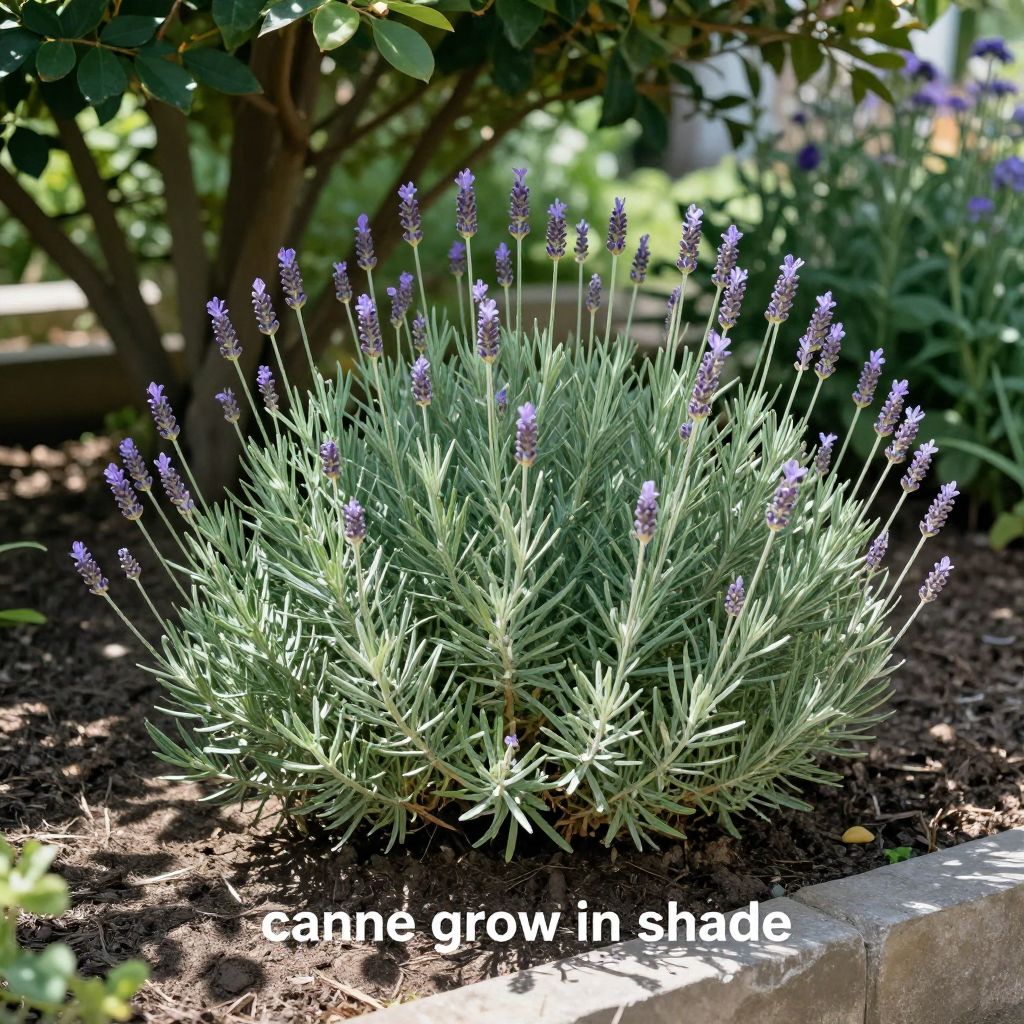
Can lavender grow in shade? The short answer is: not well. Lavender is a sun-loving Mediterranean herb that needs plenty of direct light to stay compact, bloom heavily, and resist rot. In deep shade, it usually becomes leggy, weak, and short-lived.
That said, a little light shade is sometimes workable, especially in very hot climates or with more forgiving conditions. If you want healthy lavender, the real goal is not “shade tolerance” but giving it the brightest, driest site you can manage.
Can lavender grow in shade?
Lavender can survive in partial shade, but it performs best in full sun. Aim for at least 6 to 8 hours of direct sunlight daily for strong growth and good flowering. In less light, expect fewer blooms, looser stems, and a greater risk of disease from slow-drying soil and foliage.
How much sun lavender really needs
Lavender is adapted to open, sunny, well-drained habitats. When it gets enough light, it grows dense, silvery foliage and produces more flower spikes. When light is limited, the plant stretches toward the sun and often becomes floppy.
Full sun vs. partial shade
- Full sun: Best for most lavender varieties and the most reliable flowering.
- Light shade: May be acceptable if the plant still gets several hours of direct sun, especially morning sun.
- Deep shade: Usually unsuitable for lavender outdoors.
If your garden has hot afternoon sun but some protection during the harshest part of the day, that can still count as a good lavender site. In very warm regions, a little afternoon shade may reduce stress without hurting performance too much.
What happens when lavender gets too little light?
Low light affects lavender in several predictable ways. These signs help you tell whether the plant is simply adjusting to your site or truly struggling.
Common symptoms of too much shade
- Fewer flowers or no blooms at all
- Long, weak stems with wide spacing between leaves
- Pale or dull foliage
- Slow drying after rain or watering
- Higher risk of root rot and fungal issues
- Reduced fragrance in the flowers and foliage
These symptoms often appear gradually. A lavender plant in shade may look “fine” at first, then decline over one or two seasons as it loses vigor.
Best growing conditions for lavender
Sunlight matters most, but lavender also needs the right soil and drainage. Even a sunny site can fail if the soil stays wet or heavy for too long.
Soil and drainage
Lavender prefers lean, fast-draining soil. Sandy or gravelly soil is often ideal, while dense clay can be a problem unless improved carefully. The roots dislike sitting in water, especially in cool weather.
- Choose a raised bed, slope, or open border with good runoff if possible.
- Avoid low spots where water collects after rain.
- Do not over-enrich the soil with compost or manure; too much fertility can create lush but weak growth.
Watering
Once established, lavender is drought-tolerant compared with many garden plants. Young plants need regular watering while roots are developing, but mature plants prefer drying out between waterings.
The key is to water deeply, then let the soil dry somewhat before watering again. In shade, the soil dries more slowly, so overwatering becomes an even bigger problem.
Air circulation
Good airflow helps lavender dry quickly after rain and reduces fungal disease. Crowded planting, dense hedges, and damp corners are poor choices, especially if sunlight is already limited.
Can lavender grow in partial shade in hot climates?
Yes, sometimes. In regions with intense summer heat, afternoon shade can protect lavender from scorching and reduce stress. The plant still needs bright morning sun and open air, though, or it may become weak and bloom poorly.
If you garden in a hot climate, partial shade is more acceptable than in cooler regions where every bit of sun matters. Morning sun plus a few hours of afternoon shade is usually better than the reverse.
When partial shade may help
- Very hot, dry summers
- South-facing walls that reflect extreme heat
- Containers that overheat quickly in full sun
When partial shade is a bad idea
- Cool, humid climates
- Heavy soil that stays wet
- North-facing beds with little direct sun
- Areas shaded by trees with root competition
How to improve a shady site for lavender
If your garden is not ideal, you may still be able to grow lavender by improving light, drainage, and placement. The goal is to make the site as bright and dry as possible.
Practical ways to increase light
- Plant lavender in the sunniest part of the garden, not just any open spot.
- Trim back nearby shrubs or overhanging branches if they are blocking light.
- Use reflective surfaces carefully, such as pale gravel or a light wall, to bounce light onto the plant.
- Choose a location that gets morning sun rather than only late-day sun.
Improve drainage before planting
- Test the soil after rain. If water lingers for hours, choose another spot or build up the planting area.
- Plant on a mound or raised bed to lift roots above wet soil.
- Mix in coarse grit or gravel if your soil is heavy, but do not rely on compost alone to fix drainage.
- Keep mulch light and airy, and avoid piling it against the crown.
Important: For lavender, drainage is often more important than rich soil. A slightly lean, well-drained site in full sun is usually better than a fertile, shady one.
Growing lavender in pots when garden shade is a problem
Containers can be a smart option if your garden has limited sun. A pot lets you move the plant to a brighter position and control drainage more easily.
Container tips
- Use a pot with large drainage holes.
- Choose a gritty, free-draining potting mix made for Mediterranean herbs or mix in horticultural grit if appropriate.
- Place the container in the sunniest spot available.
- Rotate the pot occasionally so the plant grows evenly toward the light.
Even in a container, lavender still needs plenty of direct sun. A pot does not make it shade-tolerant; it just gives you more control over conditions.
How to care for lavender in less-than-ideal light
If your lavender is growing in partial shade, adjust your care to reduce stress. The plant will need less water and less feeding than many garden perennials.
Care basics
- Water only when the top layer of soil has dried out.
- Skip rich fertilizers unless a soil test shows a clear need.
- Prune lightly after flowering to keep the plant compact.
- Remove dead or damaged stems promptly to improve airflow.
Do not shear lavender hard into old woody growth. If the plant is already stretched and weak from shade, severe pruning can make recovery harder.
Pruning for healthier growth
After flowering, trim back spent stems to tidy the plant and encourage a denser shape. Avoid cutting into leafless old wood unless you are removing dead stems, because lavender may not regrow well from very old wood.
If the plant is becoming leggy because of shade, pruning can help a little, but it will not replace missing sunlight. Light conditions still drive the overall result.
Common problems when lavender grows in shade
Shade-related problems usually show up as weak growth and disease pressure rather than insect damage. Knowing what to watch for can help you act early.
Root rot
Lavender in shade often stays wet too long, especially in heavy soil. If stems wilt despite damp soil, or the base of the plant darkens and softens, root rot may be developing.
Prevention is the best fix: improve drainage, reduce watering, and move the plant if the site is consistently wet.
Powdery mildew and fungal spotting
Cool, shaded, humid conditions can encourage fungal disease. Look for white powdery coating, spotted leaves, or stems that stay damp for long periods.
- Increase airflow around the plant.
- Water at the base, not overhead.
- Remove badly affected growth if needed.
- Consider relocating the plant if the site remains too damp.
Pests
Lavender is usually not heavily bothered by pests, but stressed plants can attract trouble. Weak growth from shade makes any pest issue more noticeable.
If you see aphids or other small insects, wash them off with a strong stream of water and improve growing conditions first. Healthy, sun-grown lavender typically recovers better than shade-grown plants.
Should you plant lavender if your garden is shady?
Only if you can offer at least some direct sun and excellent drainage. If your space is mostly shade, lavender is usually the wrong plant choice. You will likely spend more time correcting problems than enjoying the plant.
For a truly shady border, choose plants that naturally prefer lower light and moister soil. Lavender is happiest where the sun is abundant and the ground dries quickly.
Best takeaway for gardeners
Lavender can tolerate a little shade, but it does not thrive there. For the best results, give it full sun, sharp drainage, and modest watering. If your garden is partly shaded, use the brightest spot you have and keep the soil on the dry side.
If you want to compare site options or choose a better companion plant for a low-light border, related gardening reading on sun-loving herbs and improving poor garden drainage can help you plan a more successful planting area.