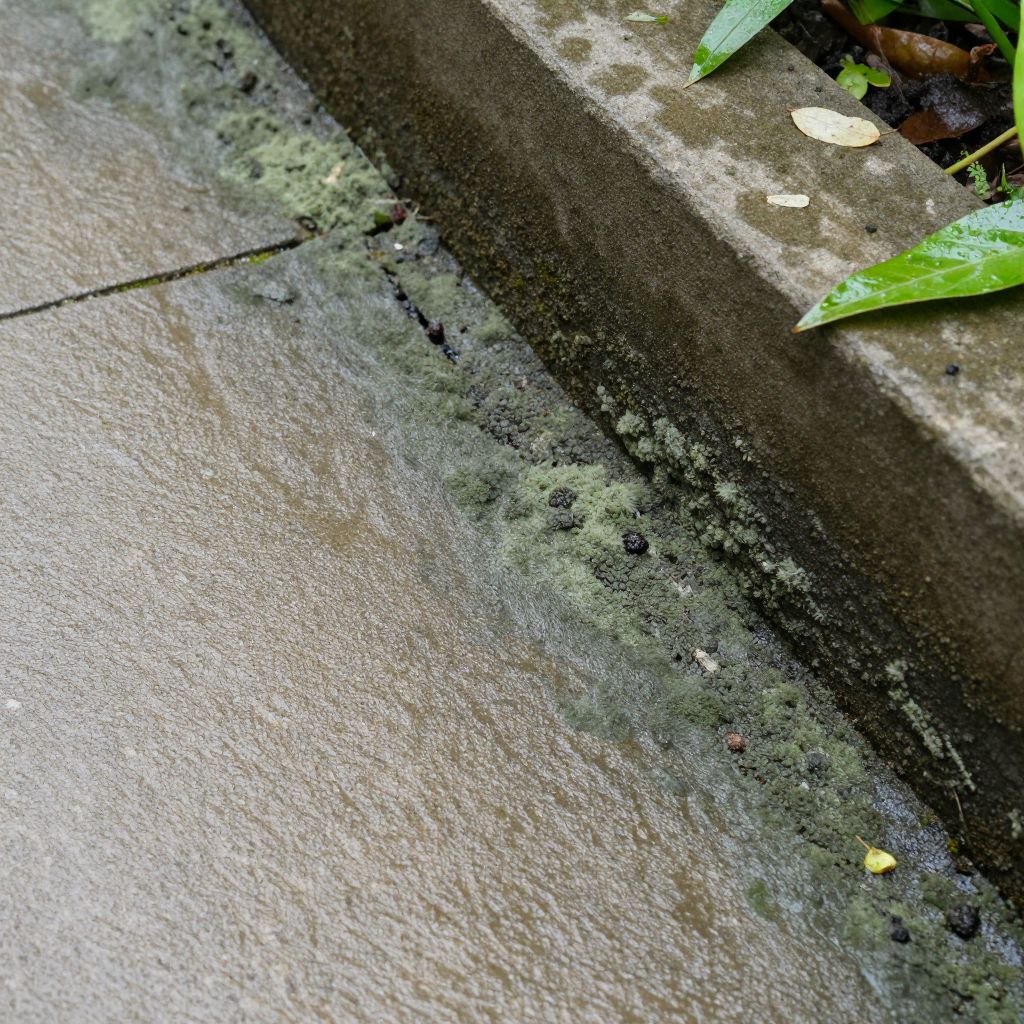
Can mold grow on concrete? Yes—if concrete stays damp, dirty, or shaded long enough, mold, mildew, algae, or even moss can colonize its surface. In gardens, this usually shows up on patios, paths, retaining walls, pots, or foundation edges where moisture lingers and airflow is poor.
The good news is that mold on concrete is usually a surface problem, not a sign the concrete is “rotting.” With the right cleaning, drainage, and moisture control, you can usually stop it from coming back and keep nearby plants healthier too.
Can mold grow on concrete?
Yes. Concrete itself does not feed mold, but its porous surface can hold moisture, dust, pollen, and organic debris that mold can use as food. In shady or wet garden areas, this often appears as black, green, or white staining on slabs, blocks, steps, and planters.
Why mold appears on concrete in garden spaces
Concrete is common in gardens, but it can become a mold-friendly surface when conditions stay damp. The problem is usually caused by a combination of moisture, shade, poor drainage, and organic buildup.
Common triggers
- Constant moisture from irrigation overspray, leaks, or poor runoff.
- Shade and low airflow that slow drying after rain or watering.
- Organic debris such as soil splashes, fallen leaves, mulch dust, or algae film.
- Surface texture that traps dirt in pores and small cracks.
- Nearby plantings that block sun and keep the area humid.
In many gardens, what looks like “mold” may actually be algae, mildew, or moss. They all thrive in similar conditions, so the fix is often the same: reduce moisture and improve cleaning and drying.
Is mold on concrete harmful to plants or the garden?
Usually, the mold on concrete itself is more of a maintenance issue than a plant disease. However, it can signal that the area stays too wet, which may encourage root rot, fungus gnats, slippery paths, and unhealthy growing conditions for nearby plants.
Why gardeners should pay attention
- Wet concrete can make walkways slippery and unsafe.
- Persistent dampness near beds can stress roots and reduce oxygen in the soil.
- Shady, mold-prone areas often also invite moss, algae, and weed growth.
- Heavy buildup can stain pots, edging, and decorative hardscape.
If the mold is near containers or raised beds, check whether water is draining away properly. A concrete surface may be the first visible clue that the whole area is holding too much moisture.
How to remove mold from concrete safely
For most garden concrete, start with the least aggressive method and work up only if needed. Avoid harsh products that can damage nearby plants, stain stone, or run into beds.
Step-by-step cleaning method
- Clear the area of pots, tools, leaves, and loose debris.
- Dry-brush or sweep the surface to remove dirt and organic matter.
- Rinse with water to loosen grime.
- Scrub with a stiff brush and a mild soap solution if needed.
- Rinse thoroughly so residue does not remain on the concrete.
- Let it dry completely in sun and airflow if possible.
For stubborn staining, use a concrete-safe cleaner labeled for outdoor hardscape and follow the product instructions carefully. If you are cleaning near plants, protect beds with plastic sheeting and rinse the area well afterward.
What to avoid
- Do not scrub aggressively with wire brushes that can roughen the surface and make future buildup worse.
- Avoid letting runoff from cleaners enter planting beds.
- Do not assume bleach is the best solution; it can harm nearby plants and may not solve the moisture problem.
- Do not seal over damp concrete, because trapped moisture can worsen staining and peeling later.
How to keep mold from returning
Cleaning removes the visible growth, but prevention depends on changing the conditions that caused it. In gardens, that usually means managing water, light, and debris.
Improve drainage and runoff
- Check whether water pools on the concrete after rain or watering.
- Redirect downspouts, hose spray, or drip lines away from hardscape edges.
- Regrade nearby soil if runoff keeps flowing onto the slab or wall.
- Use edging or gravel channels where water regularly collects.
Increase sun and airflow
If possible, prune overhanging shrubs or tree limbs that keep the area in shade all day. Better airflow helps concrete dry faster after rain and reduces the damp film that mold likes.
When pruning near hardscape, remove only what is necessary and avoid over-opening a plant all at once. For shrubs and hedges, light, regular thinning is usually better than severe cutting.
Reduce organic buildup
- Sweep leaves and soil off concrete regularly.
- Keep mulch pulled back slightly from patios and foundations.
- Rinse off pot saucers, planter bases, and garden tools before they sit on the surface.
- Clean spilled potting mix promptly, especially in shaded corners.
Adjust watering habits
Overhead watering can splash soil onto concrete and keep the area wet longer than necessary. If you can, water plants at the root zone and avoid soaking adjacent paths or walls.
Container gardeners should also check for overflow. Pots with blocked drainage holes, oversized saucers, or constant standing water can create the damp conditions that encourage mold on nearby concrete.
How to tell mold from moss, algae, or efflorescence
Not every stain on concrete is mold. Knowing the difference helps you choose the right fix and avoid unnecessary treatment.
Quick comparison
- Mold or mildew: often fuzzy, slimy, or patchy; can be black, gray, green, or white.
- Algae: usually green and slippery, especially in wet shade.
- Moss: soft, velvety, and rooted into cracks or rough surfaces.
- Efflorescence: white, powdery mineral deposits left by moisture moving through concrete.
If the surface is green and slippery, algae is likely. If it is white and chalky, you may be dealing with efflorescence rather than mold. Either way, persistent moisture is usually part of the problem.
Special care for concrete around garden beds and containers
Concrete near plants needs a little extra attention because garden watering, mulch, and soil movement can all contribute to buildup. The goal is to keep the hardscape dry enough without stressing the plants.
For raised beds
- Make sure the bed does not overflow with irrigation water onto adjacent concrete.
- Check for leaking joints or cracks where moisture can seep out.
- Keep soil level a little below the top edge to reduce spillover during watering.
For potted plants
- Use pot feet or small risers so containers do not sit in trapped moisture.
- Empty saucers after watering unless the plant specifically needs brief bottom moisture.
- Move pots occasionally so the concrete underneath can dry and be cleaned.
For foundation edges and walls
Watch for irrigation overspray and dense plantings that trap humidity against the concrete. If mold keeps returning in the same place, inspect for gutter problems, leaking hoses, or soil piled too high against the wall.
When mold on concrete points to a bigger problem
Most surface mold is manageable, but recurring growth can indicate a deeper moisture issue. If the same area stays damp after cleaning and dry weather, investigate further.
Look for these warning signs
- Water pooling after every rain.
- Cracks that stay dark or damp for long periods.
- Peeling sealant or crumbling joints.
- Musty odor near a wall, shed, or enclosed patio.
- Nearby plants showing root stress, yellowing, or rot.
If you suspect water is entering from below, behind, or through the concrete, surface cleaning alone will not solve it. In that case, improving drainage, repairing leaks, or consulting a concrete or drainage professional may be the best next step.
Simple maintenance routine for a cleaner garden hardscape
A little regular care keeps concrete looking better and helps nearby plants stay in a healthier environment. You do not need a complicated schedule—just consistent attention after wet weather and during heavy leaf drop.
Easy upkeep checklist
- Sweep concrete weekly or after storms.
- Rinse off soil splashes before they dry.
- Trim back plants that block airflow.
- Check irrigation spray patterns each season.
- Inspect shaded corners for algae or mold before it spreads.
In humid climates, you may need to clean more often than in dry regions. In cooler seasons, fallen leaves and slower drying times can also increase buildup, so adjust your routine to local conditions.
Conclusion
Can mold grow on concrete? Yes, but the real issue is usually moisture, shade, and organic debris rather than the concrete itself. Clean the surface, improve drainage, reduce overspray, and keep nearby plants pruned for airflow. If you want to prevent repeat growth, start by finding and fixing the damp spot that is feeding it.
For more practical garden maintenance advice, you may also want to read about garden drainage basics and how to manage algae and moss in shady yards.
Leave a Reply