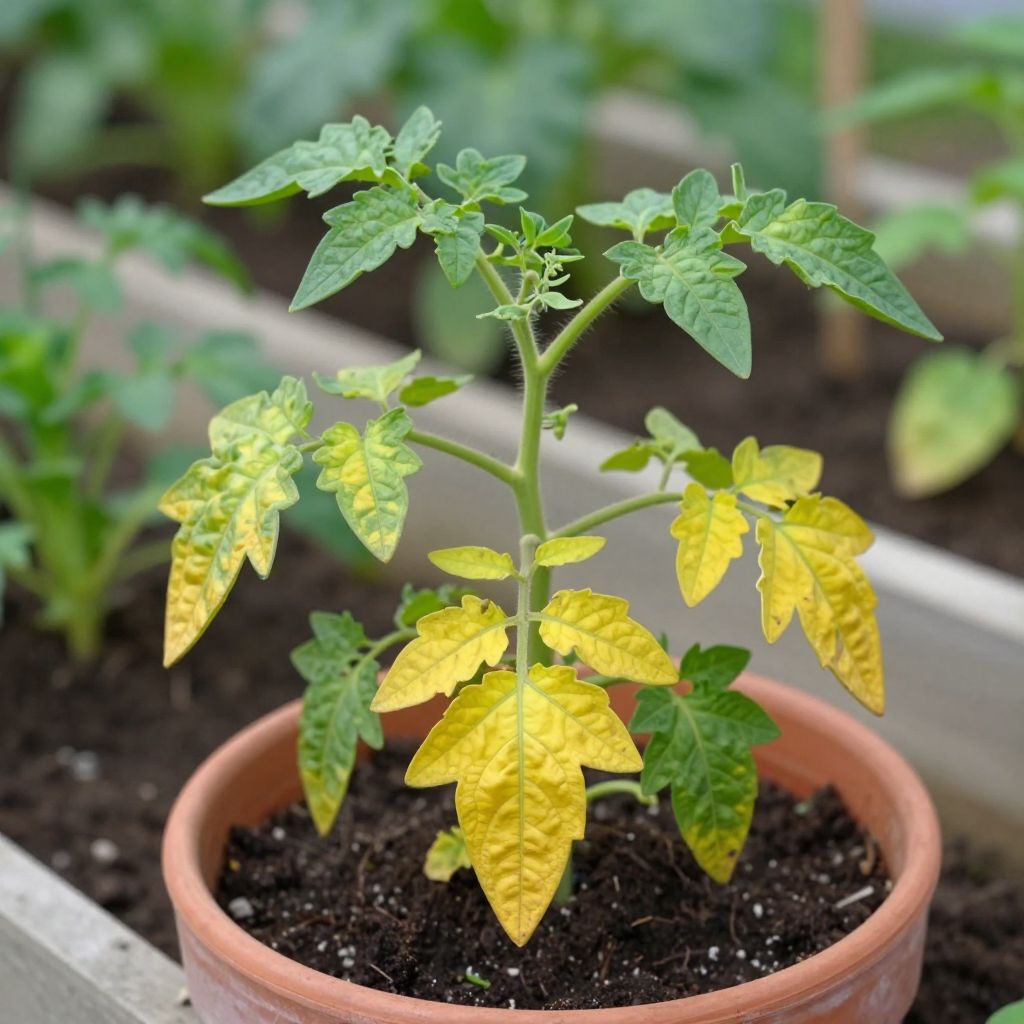
Why do plant leaves turn yellow? It’s one of the most common plant problems, and the answer is usually a clue rather than a diagnosis. Yellowing leaves can signal watering mistakes, poor drainage, low light, nutrient issues, pests, disease, or simply normal aging.
The key is to look at which leaves are yellowing, how fast it’s happening, and what the soil and light conditions are like. Once you narrow down the pattern, you can usually correct the problem before the plant declines further.
Why do plant leaves turn yellow?
Plant leaves turn yellow when chlorophyll breaks down or is not being produced properly. The most common causes are too much or too little water, root stress, insufficient light, nutrient deficiencies, pests, disease, or natural aging of older leaves. The right fix depends on whether the yellowing starts at the bottom, on new growth, or across the whole plant.
Start by reading the pattern
Before you reach for fertilizer, inspect the plant closely. Yellow leaves are a symptom, and the pattern often tells you what’s wrong.
Ask these quick questions
- Are the oldest lower leaves yellowing first, or is it new growth?
- Is the yellowing even, or are there spots, streaks, or green veins?
- Is the soil soggy, bone dry, or somewhere in between?
- Has the plant recently been repotted, moved, pruned, or exposed to temperature swings?
- Are there signs of pests such as webbing, sticky residue, holes, or fine speckling?
If only a few older leaves are yellowing while the plant otherwise looks healthy, the issue may be normal leaf aging. If many leaves are changing color quickly, the plant is under stress and needs attention.
Watering problems are the most common cause
Both overwatering and underwatering can make leaves yellow, which is why watering mistakes are so often confused. The difference is usually in the soil and the way the plant looks overall.
Too much water
When roots sit in wet soil, they lose access to oxygen and begin to decline. Leaves often turn pale yellow, then soft or limp, and may drop off.
Common signs of overwatering include:
- Soil that stays wet for days
- Musty smell from the pot or bed
- Yellowing that starts on lower leaves
- Wilting even though the soil is wet
Fix: Let the top layer of soil dry before watering again, and make sure containers have drainage holes. If the soil is compacted or waterlogged outdoors, improve drainage with compost, raised beds, or careful replanting in a better-drained spot.
Too little water
Underwatered plants may yellow because they cannot move nutrients properly. Leaves often look dry, curled, or crispy at the edges, and the soil may pull away from the sides of the pot.
Fix: Water deeply so moisture reaches the root zone, then let the plant dry appropriately for its type. Shallow, frequent watering encourages weak roots, so it is better to water thoroughly and less often when conditions allow.
Drainage and root problems can mimic watering issues
Even if you water correctly, poor drainage can keep roots too wet. Heavy clay soil, compacted beds, undersized pots, and saucers left full of water all contribute to yellow leaves.
What to check
- Does water pool on the soil surface?
- Does the container drain freely within a few minutes?
- Are roots circling tightly in the pot or emerging from drainage holes?
- Has the plant been in the same soil for a long time without refreshing the mix?
Fix: Repot into a container with fresh, well-draining potting mix if the plant is rootbound or the mix has broken down. For garden plants, loosen compacted soil carefully and add organic matter where appropriate to improve structure.
Light levels matter more than many gardeners realize
Insufficient light can cause leaves to yellow because the plant cannot photosynthesize efficiently. This is especially common with indoor houseplants, but outdoor plants can also yellow if they are shaded by buildings, trees, or seasonal changes.
Signs of too little light
- Leggy growth with long spaces between leaves
- Fading color before leaves yellow
- Slow growth or dropped lower leaves
- Plants leaning toward a window or light source
Fix: Move the plant to brighter indirect light or a sunnier location if the species needs it. For indoor plants, rotate the pot every week or two so growth stays even. For outdoor beds, pruning nearby plants may help, but only if the plant is meant to receive more sun.
Nutrient deficiencies can cause yellowing, but not all yellow leaves mean “feed it”
Yellow leaves are sometimes linked to low nutrients, especially nitrogen, iron, or magnesium. However, overfertilizing can also damage roots and make yellowing worse, so it helps to diagnose carefully.
How deficiencies often appear
- Nitrogen deficiency: older leaves yellow first, often evenly
- Iron deficiency: new leaves yellow while veins stay greener
- Magnesium deficiency: yellowing between veins, often on older leaves
These patterns are useful, but soil pH, root damage, and poor drainage can create similar symptoms. In alkaline soil, for example, some plants cannot absorb iron even when it is present.
Fix: Use a balanced fertilizer only if the plant is actively growing and the soil is otherwise healthy. For garden beds, a soil test is the best way to avoid guessing. In containers, refresh old potting mix and feed lightly according to the plant’s needs rather than on a rigid schedule.
Pests can yellow leaves by feeding on sap or damaging tissue
Many small pests weaken plants gradually, causing yellow speckling, stippling, or overall fading. This is common on houseplants, vegetables, ornamentals, and greenhouse plants.
Common pests to look for
- Aphids
- Spider mites
- Whiteflies
- Scale insects
- Thrips
Check the undersides of leaves and new growth. Sticky residue, fine webbing, tiny moving dots, or distorted leaves are strong clues.
Fix: Rinse pests off with a strong stream of water when appropriate, remove heavily infested leaves, and isolate indoor plants from others. For repeated infestations, use the least disruptive control that fits the plant and setting, and repeat treatments as needed because many pests hatch in cycles.
Diseases and root rot can turn leaves yellow fast
Fungal, bacterial, and viral problems can all cause yellowing, often along with spots, wilting, or distorted growth. Root rot is especially common when soil stays wet too long.
Warning signs to watch for
- Blackened or mushy roots
- Leaf spots with yellow halos
- Sudden collapse despite wet soil
- Yellowing that spreads quickly through the plant
Fix: Remove badly affected leaves, improve airflow, and avoid wetting foliage late in the day. If root rot is suspected, unpot the plant, trim away dead roots with clean tools, and repot into fresh mix if enough healthy root tissue remains. Severely diseased plants may need to be discarded to protect nearby plants.
Temperature stress and seasonal change can also be responsible
Plants react to cold snaps, heat waves, drafts, and sudden changes in conditions. Yellowing may appear after moving a plant indoors, after transplanting, or during seasonal transitions.
Common stress triggers
- Cold windows or frosty nights
- Hot, dry air from vents or radiators
- Transplant shock after planting or repotting
- Rapid changes from bright outdoor sun to indoor light
Fix: Keep plants away from harsh drafts and heat sources, and harden off seedlings and tender plants gradually before moving them outdoors. After transplanting, expect some temporary yellowing, but new growth should recover once roots settle in.
Natural aging is normal on many plants
Not every yellow leaf is a problem. Many plants shed older leaves as they grow, especially at the base of the plant or after flowering and fruiting.
This is especially common in annuals, some tropical houseplants, and many garden plants late in the season. If the rest of the plant looks healthy, you may only need to remove the yellow leaves for appearance.
Tip: If yellowing is limited to a few oldest leaves and the plant is producing healthy new growth, the plant is likely behaving normally.
How to troubleshoot yellow leaves step by step
Use this simple process to narrow down the cause instead of treating everything at once.
- Check the soil. Feel 2 to 3 inches down for moisture in garden beds, or check the top layer and pot weight for containers.
- Inspect the roots and drainage. Look for standing water, compacted soil, or roots circling the pot.
- Observe the pattern. Old leaves, new leaves, spots, or uniform yellowing point to different causes.
- Look for pests. Check leaf undersides, stems, and new growth.
- Review light and location. Has the plant been shaded, moved, or exposed to stress?
- Adjust one thing at a time. Change watering, light, or soil conditions before adding fertilizer.
Common mistakes to avoid
- Watering on a fixed schedule without checking the soil
- Adding fertilizer to a plant with damaged roots
- Ignoring drainage in pots and garden beds
- Assuming all yellow leaves mean a nutrient deficiency
- Leaving diseased leaves in place when they are clearly spreading problems
When to be concerned
Yellow leaves are more serious when they appear quickly across many leaves, affect new growth, or come with wilting, black spots, mushy stems, or root damage. In those cases, act quickly and inspect the plant closely.
If the plant is valuable or the problem is unclear, a soil test, pest inspection, or local extension service can help you avoid repeated guesswork. The sooner you identify the cause, the easier it is to save the plant.
For more practical plant care help, you may also want to read about how to improve soil drainage and common houseplant pest problems if those issues sound familiar.
Leave a Reply