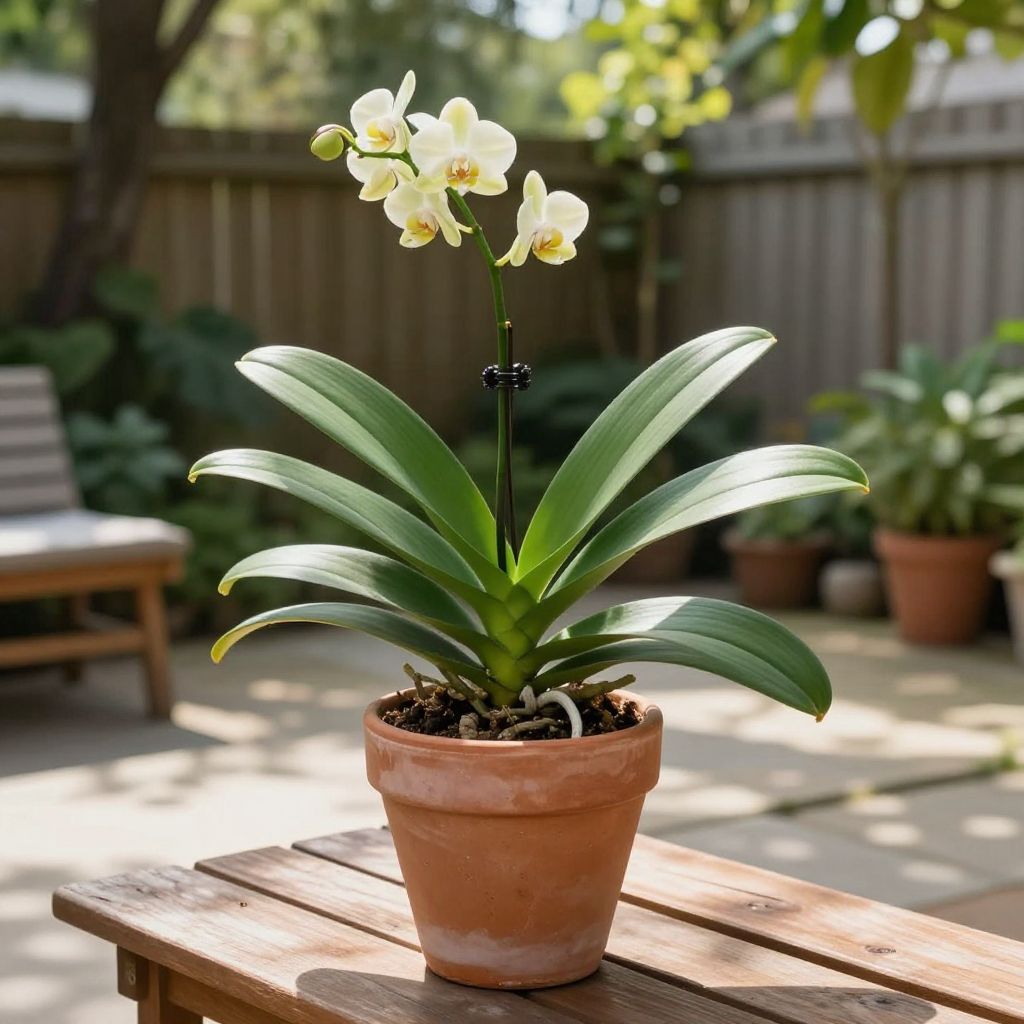
Can orchids be outside? Yes—many orchids can spend time outdoors, and some even grow better there for part of the year if the conditions are right. The key is matching the orchid to your climate, then protecting it from harsh sun, cold nights, heavy rain, and pests.
Outdoor growing can help orchids get brighter light, better air movement, and natural humidity. But orchids are not “set and forget” plants outdoors, so placement and weather awareness matter much more than with many garden plants.
Can orchids be outside?
Yes, orchids can be outside if temperatures, light, humidity, and rainfall suit the species. Many common house orchids, especially Phalaenopsis, can enjoy outdoor conditions in warm weather, while others need cooler or more specialized climates. The safest approach is to move them outside gradually and bring them in before stress or cold damage starts.
Which orchids can live outdoors?
Not all orchids have the same needs. Some are naturally tropical and must stay warm, while others tolerate cooler nights or seasonal outdoor growing.
Common orchids that may do well outside
- Phalaenopsis (moth orchid): good outdoors only in warm, frost-free conditions with shade.
- Cattleya: often enjoys bright outdoor light and warm temperatures.
- Dendrobium: many types like outdoor summer conditions, but exact needs vary by species.
- Oncidium alliance orchids: often appreciate bright, airy outdoor spots in mild weather.
- Cymbidium: more tolerant of cooler nights than many orchids and often suited to mild outdoor climates.
If you are not sure what orchid you have, check the plant tag or flower shape before moving it outside. When in doubt, treat it like a tender tropical orchid and keep it protected from cold and direct afternoon sun.
What outdoor conditions do orchids need?
Orchids do best outdoors when they get bright but filtered light, warm temperatures, good air circulation, and fast drainage. They should never sit in soggy potting mix or bake in direct midday sun. A covered porch, bright patio, or lightly shaded tree canopy is often ideal.
Light
Most orchids want bright, indirect light. Outdoors, that usually means morning sun and afternoon shade, or dappled light under a shade cloth or tree.
Watch the leaves for clues:
- Healthy green leaves usually mean the light is about right.
- Very dark green leaves can signal too little light.
- Yellowing or reddish leaves may mean too much sun.
Temperature
Temperature tolerance depends on the orchid type, but most common house orchids prefer warm conditions and dislike cold snaps. A sudden chill can damage buds, flowers, and leaves even if the plant looks fine at first.
As a general rule, avoid outdoor exposure when nights are cold enough to feel uncomfortable for you in a light jacket. Tender orchids should be brought inside before temperatures drop too far, especially at night.
Humidity and air movement
Many orchids enjoy moderate to high humidity, but they also need moving air. Outdoors can provide both, as long as the plant is not in a stagnant, windless corner. Good airflow helps reduce fungal problems and speeds drying after watering.
How to move orchids outside safely
Do not place an indoor orchid straight into full outdoor sun. Sudden changes in light, wind, and temperature can scorch leaves and stress roots. A gradual transition helps the plant adapt.
- Choose a sheltered spot with bright shade or morning sun only.
- Place the orchid outside for a few hours on the first day.
- Increase outdoor time over 7 to 14 days if the plant stays healthy.
- Check leaves daily for sunburn, dehydration, or pest activity.
- Bring the orchid back inside if nights turn cool, storms are severe, or pests appear.
If your orchid has been indoors for a long time, it may need extra protection from wind and sudden drying. A spot near a wall, under an overhang, or on a shaded bench often works better than an exposed open deck.
Best outdoor growing spots for orchids
The right location can make the difference between a thriving orchid and a stressed one. Think “protected and bright,” not “hot and exposed.”
Good places
- Covered porch or patio with filtered light
- Under a shade tree with open airflow
- Bright east-facing area with morning sun
- Greenhouse or shade house with ventilation
Places to avoid
- Full afternoon sun
- Low spots where cold air settles
- Areas exposed to strong drying winds
- Places where rainwater pools around pots
- Near sprinklers that soak the plant repeatedly
Watering orchids outdoors
Outdoor orchids usually dry faster than indoor orchids because of wind, heat, and sun exposure. That means you may need to check moisture more often, but you should still water based on the plant’s needs, not a fixed schedule.
Water when the potting mix is nearly dry but not bone dry for long. For many orchids in bark mix, that means waiting until the mix feels light and the pot looks dry on the outside, then watering thoroughly and letting excess drain away.
Important watering tips
- Water early in the day so leaves dry before night.
- Use pots with excellent drainage holes.
- Never let orchid pots sit in standing water.
- Avoid soaking the crown of Phalaenopsis, where water can collect and cause rot.
Rain can help, but too much rain is a problem if the potting mix stays wet for days. If your area gets frequent storms, move orchids under cover so roots can breathe.
Potting mix and containers for outdoor orchids
Orchids do not grow well in regular garden soil. Most need a loose, airy orchid mix that drains quickly and still holds some moisture around the roots.
Use the right mix
- Bark-based orchid mix for many epiphytic orchids
- Chunky materials that keep air around the roots
- Fresh mix when the old material breaks down and stays wet too long
Choose a pot with drainage holes, and avoid oversized containers. A pot that is too large holds excess moisture and increases rot risk, especially outdoors where rain may add more water than you expect.
Mounting and baskets
Some orchids grow well in hanging baskets or mounted on bark, especially in warm, humid climates. These setups dry faster and can suit outdoor growing, but they also require more frequent watering and closer attention in hot weather.
Feeding orchids outdoors
Orchids growing outside may grow more actively during warm months, so they can use nutrients more quickly. Still, they need gentle feeding rather than heavy fertilizing.
Use a fertilizer made for orchids or a balanced, diluted plant food if appropriate for your orchid type. Follow the product label and adjust according to growth, light, and potting mix. When growth slows in cooler weather, reduce feeding.
Do not fertilize a stressed, sunburned, or root-damaged orchid heavily. First correct the growing conditions, then resume light feeding once the plant is recovering.
Common outdoor problems and how to fix them
Sunburn
Sunburn shows up as bleached, yellow, or brown patches on leaves. Move the plant to brighter shade immediately. Damaged tissue will not heal, but new growth can be protected.
Cold damage
Cold injury may cause limp leaves, blackened spots, or bud drop. Bring the orchid indoors or into a warmer protected area before nights become too cool for its type.
Root rot
Roots rot when the mix stays wet too long or drainage is poor. Remove the plant from the pot, trim dead roots with clean tools, and repot into fresh, airy orchid mix if needed.
Pests
Outdoor orchids can pick up aphids, scale, mealybugs, snails, slugs, and spider mites. Inspect leaves, leaf joints, and undersides regularly, especially after moving plants outside.
- Wipe off small infestations with a damp cloth or cotton swab.
- Rinse leaves gently to dislodge pests.
- Remove hiding spots for slugs and snails near pots.
- Isolate any plant with a serious infestation.
Fungal and bacterial issues
Wet leaves, poor airflow, and crowded conditions can lead to spotting or rot. Keep the plant spaced from others, water early, and avoid letting water sit in the crown or leaf joints.
Seasonal care: when to move orchids in and out
Outdoor orchid care changes with the season. In warm months, many orchids can enjoy the extra light and air. As weather cools, they usually need to come back inside or into a protected structure.
Before moving an orchid indoors, check it carefully for pests. Clean the leaves and inspect the pot so you do not bring insects inside with the plant.
Quick seasonal checklist
- Spring: acclimate gradually to stronger light.
- Summer: monitor heat, rain, and drying speed.
- Autumn: watch nighttime temperatures closely.
- Winter: keep tender orchids indoors unless your climate stays mild.
Can orchids be planted in the ground outside?
In most home gardens, orchids are better grown in pots, baskets, or mounted setups than planted directly in the ground. Garden soil is usually too dense and wet for orchid roots. Some orchids can grow outdoors in tropical or subtropical landscapes, but they still need the right species, drainage, and shade.
If you live in a frost-free climate and want orchids in the landscape, choose a site with excellent drainage, filtered light, and protection from wind. Even then, many gardeners find containers easier to manage because they can move the plants when weather changes.
Practical mistakes to avoid
- Placing orchids in full sun without acclimation
- Leaving them out during cold nights
- Using regular garden soil
- Overwatering because the weather is warm
- Ignoring pests once the plant is outdoors
- Forgetting that rain can waterlog the pot
Conclusion
So, can orchids be outside? Absolutely—if you match the orchid to your climate and give it bright shade, good airflow, and fast drainage. Start slowly, watch the leaves and roots, and adjust watering to the weather rather than following a rigid schedule. If you want more orchid care help, look for guides on potting mix, repotting, and light levels for your specific orchid type.