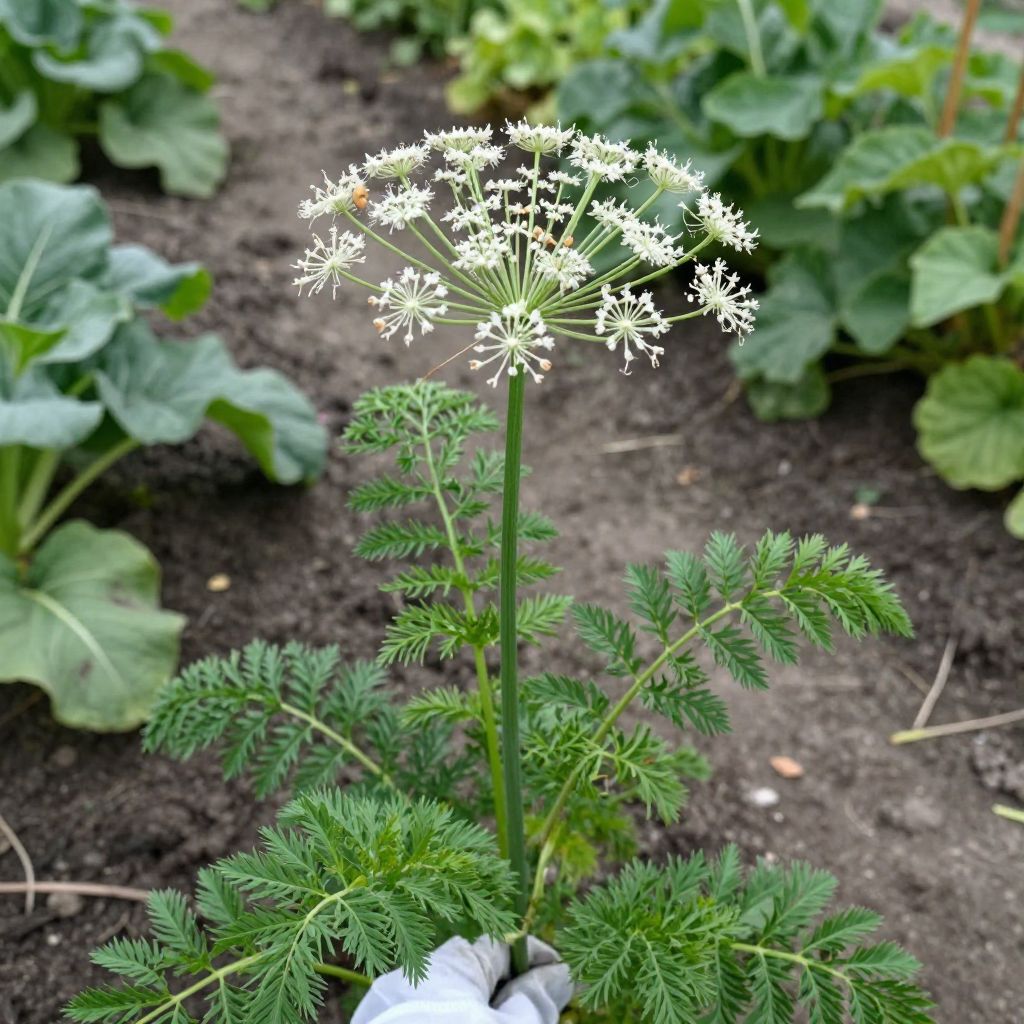
Do carrots have seeds? Yes—carrots do produce seeds, but not in the root you harvest. The edible carrot is a storage root, while the plant itself can flower in its second year and form seed after pollination. If you want to grow carrots successfully, understanding that life cycle helps you save seed, avoid bolting, and time harvests well.
For most home gardeners, the main question is less about whether carrots have seeds and more about how to get healthy roots from seed. Carrots are usually grown from purchased seed, sown directly into the garden, then thinned and cared for until harvest.
Do carrots have seeds?
Yes. Carrots (Daucus carota) make seeds after they flower, usually in their second year. The part you eat is the root, not the seed-bearing portion. If left in the ground through winter in suitable climates, a carrot may bolt, bloom, and produce seed heads that can be collected when dry.
How carrot seed production works
Carrots are biennials, which means they usually spend the first season growing roots and leaves, then flower the next season. The plant sends up a tall flower stalk, produces umbrella-shaped clusters of tiny white flowers, and later forms seed. Those seeds are small, ridged, and often easy to lose if you harvest too late.
Why most gardeners buy seed instead of saving it
Home gardeners usually start carrots from seed because the crop is inexpensive, easy to sow directly, and roots do not transplant well. Saving seed is possible, but it takes more space, patience, and attention to isolation from wild carrot relatives or other carrot varieties if you want true-to-type results.
How to grow carrots from seed
Carrots grow best when you sow them directly where they will mature. They dislike root disturbance, so skip transplanting unless you are using a method specifically designed for it. Good seed-to-soil contact, steady moisture, and loose soil matter more than heavy feeding.
Best soil for carrots
- Use loose, stone-free soil so roots can grow straight.
- Work in finished compost if your soil is poor, but avoid fresh manure.
- Choose a bed with good drainage; waterlogged soil can cause forked or rotting roots.
- A slightly sandy loam is ideal, but many gardens can work with proper preparation.
Important: Hard clods, rocks, and dense clay often lead to short, twisted, or split carrots. If your soil is heavy, grow shorter varieties or use raised beds filled with a lighter mix.
Sunlight and spacing
Carrots need full sun for best growth, though they can tolerate light shade in hot climates. Sow seed thinly in shallow rows, then thin seedlings so roots have room to size up. Crowding is one of the most common reasons for small, misshapen carrots.
- Prepare a fine seedbed and remove debris.
- Sow seed shallowly, about 1/4 inch deep or less.
- Keep the surface evenly moist until germination.
- Thin seedlings once they are large enough to handle.
- Water deeply and consistently as roots develop.
When and how to sow carrot seed
Timing depends on your climate. In cool seasons, carrots often do best when sown in spring or late summer for a fall crop. In mild winter areas, they may be grown through cooler months. The key is to avoid extreme heat during germination and early root development whenever possible.
Germination tips
Carrot seed can be slow to sprout, especially in cool or dry soil. Keep the top layer consistently moist until seedlings appear, which may take one to three weeks or longer depending on conditions. A light mulch or board laid over the row can help hold moisture, but remove it as soon as sprouts emerge.
If the soil dries out during germination, seedlings may fail to appear evenly. If it crusts over after watering or rain, gently loosen the surface so tiny shoots can break through.
Care tips for healthy carrot growth
Once carrots are established, they need steady care more than frequent feeding. The goal is to keep growth even so roots stay tender and do not become woody, cracked, or bitter.
Watering
- Water deeply rather than giving frequent light sprinkles.
- Keep soil evenly moist, especially during germination and root sizing.
- Avoid soaking the bed to the point of saturation.
- Reduce stress from drought, which can make roots tough and split later if watered heavily.
Uneven moisture is a common cause of cracked carrots. If your weather swings between dry and wet spells, mulch lightly after seedlings are established to help stabilize soil moisture.
Feeding
Carrots do not usually need heavy fertilizer, especially nitrogen-rich feeding that pushes leafy growth instead of root development. Compost worked into the bed before planting is often enough. If your soil is very poor, use a balanced, gentle amendment based on your local soil conditions rather than overfeeding.
Weeding and thinning
Young carrots compete poorly with weeds, so keep the bed clean. Thin seedlings early, because crowded plants produce smaller roots. If you want to avoid disturbing nearby seedlings, snip extras at soil level instead of pulling them out.
Common carrot problems and how to fix them
Most carrot issues are caused by soil conditions, moisture swings, or pests rather than disease. Catching problems early makes a big difference in root quality.
Forked or stunted roots
- Cause: rocks, compacted soil, fresh manure, or root disturbance.
- Fix: loosen the bed deeply and remove debris before sowing.
- Prevention: grow shorter-rooted types in shallow or heavy soils.
Split roots
- Cause: irregular watering or sudden heavy rain after dry periods.
- Fix: water more consistently and mulch to moderate moisture swings.
- Prevention: harvest mature roots promptly instead of leaving them too long.
Weak tops and poor germination
- Cause: dry soil, old seed, or planting too deeply.
- Fix: sow fresh seed, keep the surface moist, and plant shallowly.
- Prevention: sow a little extra seed to account for uneven sprouting.
Pests and diseases
Carrot rust fly, aphids, and leaf blights can affect plant health. Good airflow, crop rotation, and clean beds help reduce pressure. If carrot rust fly is a problem in your area, a fine mesh row cover can protect young plants. Avoid leaving thinned foliage or rotting roots in the bed, since that can attract pests and disease.
How to harvest carrots at the right time
Harvest carrots when roots have reached usable size for the variety you planted and the season you are growing in. Smaller carrots are often sweeter and more tender, while larger ones may become woody if left too long. Loosen the soil first, then pull gently by the tops.
Harvesting tips
- Check root size by brushing soil away from the crown.
- Water lightly the day before harvest if the soil is very dry.
- Loosen the soil with a fork or trowel to reduce breakage.
- Pull steadily rather than jerking the tops.
If you want to store carrots, harvest before the ground freezes hard unless your climate and bed conditions allow overwintering. Remove leafy tops after harvest to slow moisture loss.
Can you save carrot seed?
Yes, if you let a carrot plant flower and set seed in its second year. To save seed successfully, you need healthy parent plants, enough space, and patience for the seed heads to dry fully. Because carrots can cross with wild relatives and other cultivated carrots, seed saving is best done with isolation in mind.
Basic seed-saving approach
- Choose strong, true-to-type roots to overwinter.
- Let them flower the following season.
- Allow seed heads to dry on the plant if weather permits.
- Collect seed when it turns brown and dry, then store it cool and dry.
Note: If you are growing carrots for eating, do not rely on seed from a random bolted plant if you want consistent results. Bolting can be triggered by stress, and those plants may not be the best seed parents.
Practical mistakes to avoid
- Planting in rocky or compacted soil.
- Letting the seedbed dry out during germination.
- Overcrowding seedlings and skipping thinning.
- Using too much nitrogen fertilizer.
- Waiting too long to harvest mature roots.
Conclusion
So, do carrots have seeds? Yes, but only after the plant flowers, usually in its second year. For the home gardener, the real key is starting with seed, preparing loose soil, keeping moisture even, and thinning early. Try sowing a small row in your best-drained bed, then watch how soil quality affects the shape and size of your harvest.
If you want to improve your root crops even more, you may also enjoy reading about how to grow carrots and vegetable garden soil preparation.