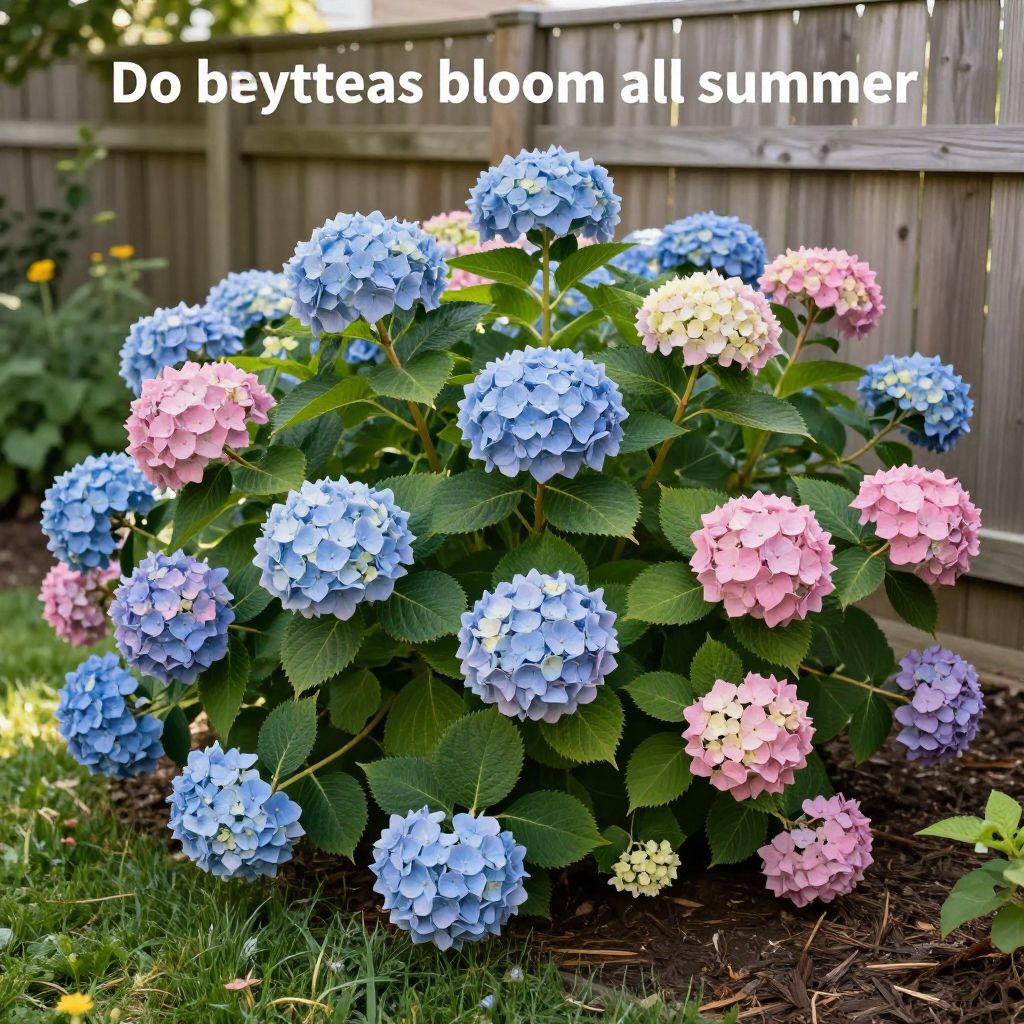
Do hydrangeas bloom all summer? Sometimes, but not always. Many hydrangeas flower for weeks rather than the entire season, and the exact bloom window depends on the type, climate, pruning, sun exposure, and how well the plant is growing.
If you want longer color from hydrangeas, the good news is that you can often extend the display with the right variety and care. Understanding which hydrangea you have is the first step, because some bloom on old wood, some on new wood, and some rebloom under the right conditions.
Do hydrangeas bloom all summer?
Some hydrangeas can bloom for much of summer, but most do not flower nonstop from early summer to frost. Bigleaf hydrangeas may have a long flush or reblooming cycles, while panicle hydrangeas often bloom from mid- to late summer and can last into fall. Bloom length depends on variety, weather, and plant health.
Which hydrangeas bloom the longest?
If your goal is the longest possible bloom season, plant selection matters more than almost anything else. Different hydrangea species and cultivars bloom at different times, and some are naturally better for extended color than others.
Common hydrangea types and bloom habits
- Bigleaf hydrangea (Hydrangea macrophylla) often blooms in early to midsummer. Some reblooming varieties can flower again later in the season.
- Panicle hydrangea (Hydrangea paniculata) usually blooms later, often from midsummer into fall, with long-lasting flower heads.
- Smooth hydrangea (Hydrangea arborescens) typically blooms in early to midsummer and may hold flowers for weeks.
- Oakleaf hydrangea (Hydrangea quercifolia) blooms in early summer and is valued for both flowers and foliage.
For the longest season, many gardeners choose a mix of types rather than depending on one plant to bloom all summer long.
Why hydrangeas stop blooming early
When hydrangeas finish too soon, the cause is often environmental or pruning-related rather than a serious problem. A healthy plant can still have a short bloom period if it was cut back at the wrong time, got too much shade, or experienced stress from heat or drought.
Common reasons blooms fade fast
- Wrong pruning time on varieties that bloom on old wood can remove next season’s flower buds.
- Too much shade can reduce flowering, especially in types that need more light to set buds well.
- Heat stress or drought can shorten the bloom show and cause flowers to brown early.
- Poor soil drainage can weaken roots and reduce flowering.
- Too much nitrogen can push leafy growth at the expense of flowers.
- Late frost may damage buds on early-blooming types.
How to help hydrangeas bloom longer
You cannot force every hydrangea to bloom all summer, but you can often stretch the flowering season and improve flower quality. The best results come from matching the plant to your site and keeping stress low during bud formation and bloom.
1. Give the right amount of sun
Most hydrangeas do best with morning sun and afternoon shade, especially in hot climates. In cooler regions, some types can take more sun if the soil stays evenly moist.
Too much shade often means fewer blooms, while harsh afternoon sun can scorch flowers and leaves. If your plant gets only deep shade, consider moving it or thinning nearby plants to improve light.
2. Water deeply and consistently
Hydrangeas like evenly moist soil, especially while blooming. Dry spells can cause flowers to wilt, brown, or fade quickly, even if the plant survives.
- Water at the base so moisture reaches the roots.
- Use mulch to help the soil hold moisture.
- Check soil with your finger before watering; the top inch may dry first, but the root zone should not stay bone dry for long.
In containers, hydrangeas usually need more frequent watering than those in the ground because pots dry out faster.
3. Improve soil and drainage
Hydrangeas grow best in rich, well-drained soil with plenty of organic matter. Heavy clay that stays soggy can weaken roots, while very sandy soil may dry out too fast.
Before planting, work in compost to improve soil structure. If drainage is poor, plant in a raised bed or choose a better site rather than trying to solve the problem with extra fertilizer.
4. Feed lightly and at the right time
A balanced, moderate feeding can support flowering, but too much nitrogen can create lush leaves and fewer blooms. Compost is often enough for established plants in decent soil.
If you use fertilizer, choose one intended for flowering shrubs and follow the label carefully. Avoid heavy feeding late in the season, which can encourage soft growth that is more vulnerable to cold.
5. Mulch to reduce stress
A 2- to 3-inch layer of organic mulch helps keep roots cooler and soil moisture steadier. Keep mulch a few inches away from the stems so the base of the plant does not stay wet.
Mulch is especially helpful during hot summers, when moisture loss can shorten bloom time.
Pruning: the most common bloom mistake
Pruning mistakes are one of the biggest reasons gardeners ask why their hydrangeas are not blooming all summer. The key is knowing whether your plant blooms on old wood, new wood, or both.
Old wood vs. new wood
- Old wood bloomers set flower buds on stems that grew the previous year. If you prune them at the wrong time, you may remove the buds.
- New wood bloomers flower on current-season growth and are usually easier to prune without losing blooms.
- Reblooming types may flower on both old and new growth, but they still need good care to perform well.
If you are not sure which hydrangea you have, prune conservatively. Remove only dead wood, weak stems, and spent blooms if needed, and avoid hard cutting until you know the plant’s bloom habit.
Simple pruning rules
- Prune at the correct time for your hydrangea type.
- Remove dead, damaged, or crossing stems first.
- Do not shear the whole plant into a ball unless you know it tolerates that approach.
- Leave healthy stems in place if you want more flowers next season.
Can you make hydrangeas rebloom?
Some hydrangeas naturally rebloom, but not all of them do. If you want flowers over a longer stretch, choose a reblooming bigleaf hydrangea or a long-blooming panicle hydrangea from the start.
Even reblooming varieties need enough light, moisture, and protection from stress to keep producing. If a plant blooms once and stops, it may still be healthy; it may simply be a one-flush variety.
Common pests and diseases that shorten flowering
Healthy foliage supports better bloom performance, so it helps to watch for problems that weaken the plant. Many hydrangea issues are manageable if caught early.
Watch for these problems
- Aphids on tender growth and buds
- Spider mites in hot, dry conditions
- Powdery mildew in humid, crowded plantings
- Leaf spot when leaves stay wet for long periods
- Bud damage from late frost or rough pruning
Good spacing, morning watering, and cleanup of fallen leaves can reduce many disease issues. If pests are minor, a strong spray of water or hand removal may be enough; more serious problems may need a targeted treatment appropriate for your region.
How climate affects bloom length
Hydrangeas do not behave the same way everywhere. In cooler climates, blooms may last longer because temperatures are gentler, while in hot climates flowers can fade faster even when the plant is healthy.
If your summers are very hot, choose varieties suited to your region and give them afternoon shade. If your area has a short growing season, focus on early-blooming or reblooming types that can finish before fall weather arrives.
Growing hydrangeas in containers
Container hydrangeas can bloom beautifully, but they are more vulnerable to drying out and heat stress. That means bloom duration often depends on how carefully you manage the pot.
Container care basics
- Use a large pot with drainage holes.
- Choose a quality potting mix that drains well but still holds moisture.
- Water when the top inch of mix dries out.
- Keep the pot out of harsh afternoon sun in hot regions.
- Refresh or repot as roots fill the container.
Because pots warm and dry quickly, container hydrangeas often need closer attention than garden plants if you want blooms to last.
How to keep cut hydrangea blooms looking good
Gardeners often cut hydrangea flowers for indoor arrangements, and the blooms can be long-lasting if harvested at the right stage. Cut stems in the cooler part of the day and place them in water quickly.
For drying, many hydrangea heads are best cut when they feel papery and the petals have begun to mature. Not every type dries equally well, so results vary by cultivar and weather.
What to expect from hydrangea bloom time
The honest answer to do hydrangeas bloom all summer is that some can seem to, but most bloom in distinct waves rather than nonstop. A long-blooming variety in good conditions may give you months of color, while a short-blooming type may only flower for a few weeks.
If your plant is healthy but not blooming as long as you hoped, that does not always mean you are doing something wrong. It may simply be the nature of the variety you planted.
Quick checklist for longer hydrangea blooms
- Identify your hydrangea type before pruning.
- Give morning sun and afternoon shade where summers are hot.
- Keep soil evenly moist, not soggy.
- Mulch to protect roots and conserve water.
- Avoid heavy nitrogen fertilizer.
- Protect buds from frost and avoid cutting off next year’s flowers.
- Choose reblooming or long-blooming cultivars if you want extended color.
Conclusion
Hydrangeas do not all bloom all summer, but the right variety and care can give you a much longer flower season. Start by identifying your plant, then adjust pruning, light, and watering to match its needs. If you want more bloom time next year, choose a long-blooming hydrangea and plan its site carefully now.
For more help with flowering shrubs and seasonal care, you may also want to read about how to prune hydrangeas correctly and choosing the best hydrangea for your garden.