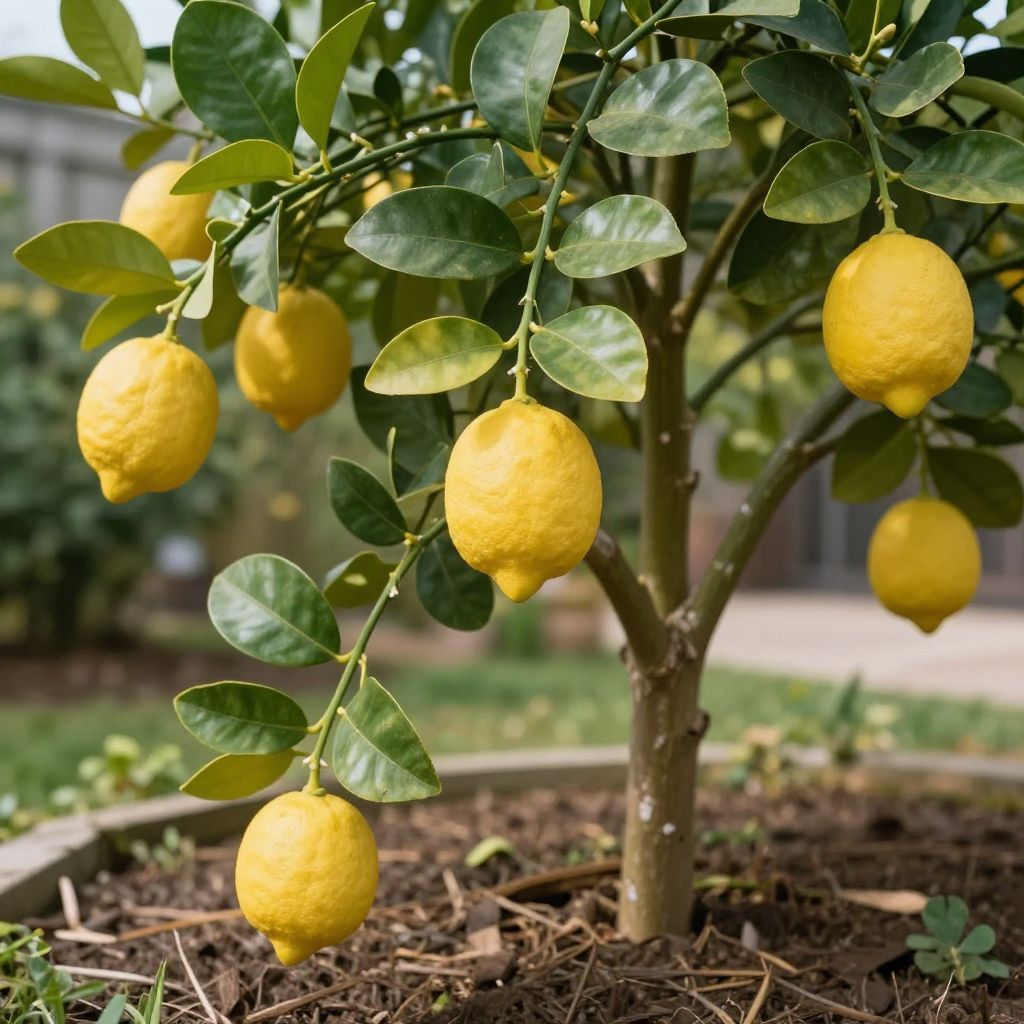
Do lemons grow on trees? Yes—lemons are produced by evergreen citrus trees, not shrubs or vines. If you want fresh lemons at home, you need a lemon tree with enough sun, warmth, drainage, and steady care to flower and set fruit.
Whether you grow one in the ground or in a container, success depends on matching the tree to your climate and giving it the right conditions through the seasons. Here’s how lemon trees grow, what they need, and how to avoid the most common mistakes.
Do lemons grow on trees?
Yes. Lemons grow on lemon trees (Citrus limon), which are evergreen citrus trees that can be grown outdoors in warm climates or in pots where winters are cold. The tree must mature, bloom, and successfully set fruit before lemons develop, so healthy growth and good pollination matter as much as planting the tree itself.
What a lemon tree needs to produce fruit
Lemon trees are not difficult, but they are particular. They grow best with strong light, well-drained soil, and protection from cold snaps and soggy roots.
Sunlight
Lemon trees need full sun for the best growth and fruiting. Outdoors, aim for at least 6 to 8 hours of direct sun daily. Indoors, place the tree in the brightest window you have, usually south- or southwest-facing in the Northern Hemisphere.
Temperature
Lemons prefer warm conditions and do poorly in frost. Many gardeners grow them outdoors only where winters are mild, or move potted trees indoors before cold weather arrives. If you live in a cooler climate, container growing is usually the safest option.
Soil and drainage
Good drainage is essential. Lemon trees dislike heavy, waterlogged soil, which can lead to root problems and poor growth. Use a loose, fertile soil that drains well, and avoid planting in low spots where water collects after rain.
- In the ground: choose a raised or gently sloped site if your soil stays wet.
- In containers: use a quality citrus or potting mix that drains freely.
- Never let the pot sit in standing water.
How to grow a lemon tree successfully
If you are starting from a nursery tree, you will usually get fruit sooner than if you grow from seed. Seed-grown citrus can take many years to flower, and the fruit may not match the parent plant.
Planting in the ground
- Choose a sunny, sheltered site with well-drained soil.
- Dig a hole as deep as the root ball and slightly wider.
- Set the tree so the top of the root ball is level with or just above the surrounding soil.
- Backfill with native soil unless it is extremely poor; over-amending the hole can create drainage issues.
- Water deeply after planting to settle the soil.
- Mulch lightly, keeping mulch a few inches away from the trunk.
Growing in a container
Container growing is ideal if winter temperatures drop below what lemons can tolerate outdoors. Choose a pot with drainage holes and a size that allows root growth without staying overly wet.
- Use a pot that is large enough for the root ball, with room to grow.
- Repot when roots begin circling or the plant dries out too quickly.
- Move the pot outdoors in warm weather and indoors before frost.
Watering correctly
Water deeply, then let the top layer of soil dry slightly before watering again. Lemon trees like even moisture, but they do not want constantly wet roots. The right rhythm depends on heat, wind, container size, and soil type.
A useful rule: check the soil with your finger. If the top 1 to 2 inches feel dry, it is usually time to water. In hot weather or in containers, you may need to water more often than in cool, humid conditions.
Feeding and compost
Lemon trees are moderate to heavy feeders, especially when they are actively growing or carrying fruit. Compost can improve soil structure in the ground, while container trees benefit from fresh potting mix and regular feeding suited to citrus.
- In the ground: top-dress with compost in spring if your soil is thin or low in organic matter.
- In pots: refresh the surface with composted material only if it will not compact the mix.
- Avoid overfeeding, which can push soft leafy growth at the expense of flowers and fruit.
Pruning lemon trees
Pruning helps keep the tree manageable, open, and healthy. You do not need to shape it heavily, but light annual pruning can improve air circulation and remove weak or crowded growth.
What to remove
- Dead, damaged, or diseased branches
- Crossing branches that rub together
- Shoots growing from below the graft union, if present
- Very dense interior growth that blocks light
Use clean, sharp pruners to make smooth cuts. Avoid removing too much at once, especially on young trees, because heavy pruning can reduce flowering and fruiting.
Why your lemon tree may not be fruiting
If your tree is healthy but not making lemons, the cause is often one of a few common issues. Fruit production depends on maturity, light, temperature, and pollination.
Common reasons
- The tree is too young and has not reached fruiting age.
- It is not getting enough direct sun.
- Cold weather or sudden temperature swings are interrupting bloom.
- The tree is overwatered or growing in poorly drained soil.
- Excess nitrogen is producing leaves instead of flowers.
- Indoor trees may need help with pollination if insect activity is limited.
How to improve fruit set
Move container trees into brighter light, keep watering even, and avoid overfertilizing. Outdoors, encourage pollinators by avoiding broad-spectrum insecticides during bloom. Indoors, you can gently transfer pollen between flowers with a small, soft brush if needed.
Common pests and diseases
Lemon trees can attract a few familiar citrus pests, especially when grown indoors or in sheltered locations. Catching problems early makes them much easier to manage.
Pests to watch for
- Scale insects on stems and leaves
- Aphids on tender new growth
- Spider mites in hot, dry conditions
- Whiteflies on indoor or greenhouse plants
Check the undersides of leaves and stems regularly. A strong spray of water can dislodge light infestations, and repeated monitoring is often enough to keep small problems from spreading.
Diseases and stress problems
- Root rot from poor drainage or overwatering
- Leaf drop after sudden temperature changes
- Yellowing leaves from nutrient imbalance, cold roots, or waterlogged soil
- Sunburn on young trees moved abruptly into intense sun
Most citrus problems start with growing conditions rather than insects. If the tree is declining, first check water, drainage, light, and temperature before assuming it needs a pesticide or special treatment.
Indoor vs. outdoor lemon growing
Outdoor trees
Outdoor lemon trees generally grow larger and can fruit more heavily if the climate suits them. They need a frost-free or nearly frost-free environment, plus enough sun and protection from strong winds.
Indoor trees
Indoor lemon trees can be rewarding, but they usually need more attention. Bright light is the biggest challenge, followed by humidity, watering, and pest control. A sunny room, regular rotation of the pot, and careful watering can make a big difference.
- Rotate the pot every week or two so growth stays even.
- Keep the tree away from hot, dry vents.
- Watch closely for mites and scale, which are common indoors.
Harvesting lemons
Lemons do not ripen much after picking, so harvest them when they have reached full size and the skin has turned the expected color for the variety. Some lemons stay slightly greenish even when ripe, so size and scent can help guide you.
Use clean pruners or snips to cut fruit from the stem rather than pulling it. This helps avoid tearing the branch and keeps the tree healthier.
Helpful mistakes to avoid
- Planting in heavy, poorly drained soil
- Keeping the soil constantly wet
- Growing in too little light
- Using too much nitrogen fertilizer
- Pruning too hard or too often
- Moving a potted tree abruptly from shade to intense sun
If you avoid those mistakes, you give your lemon tree a much better chance of flowering and fruiting reliably.
Conclusion
So yes, lemons grow on trees—and with the right light, drainage, and seasonal care, a lemon tree can be a productive part of your garden or patio. Start by choosing the right growing method for your climate, then focus on steady watering, bright sun, and gentle pruning.
If you’d like to keep learning about citrus care, look for more guidance on container fruit tree maintenance and how to improve soil drainage for fruit trees.