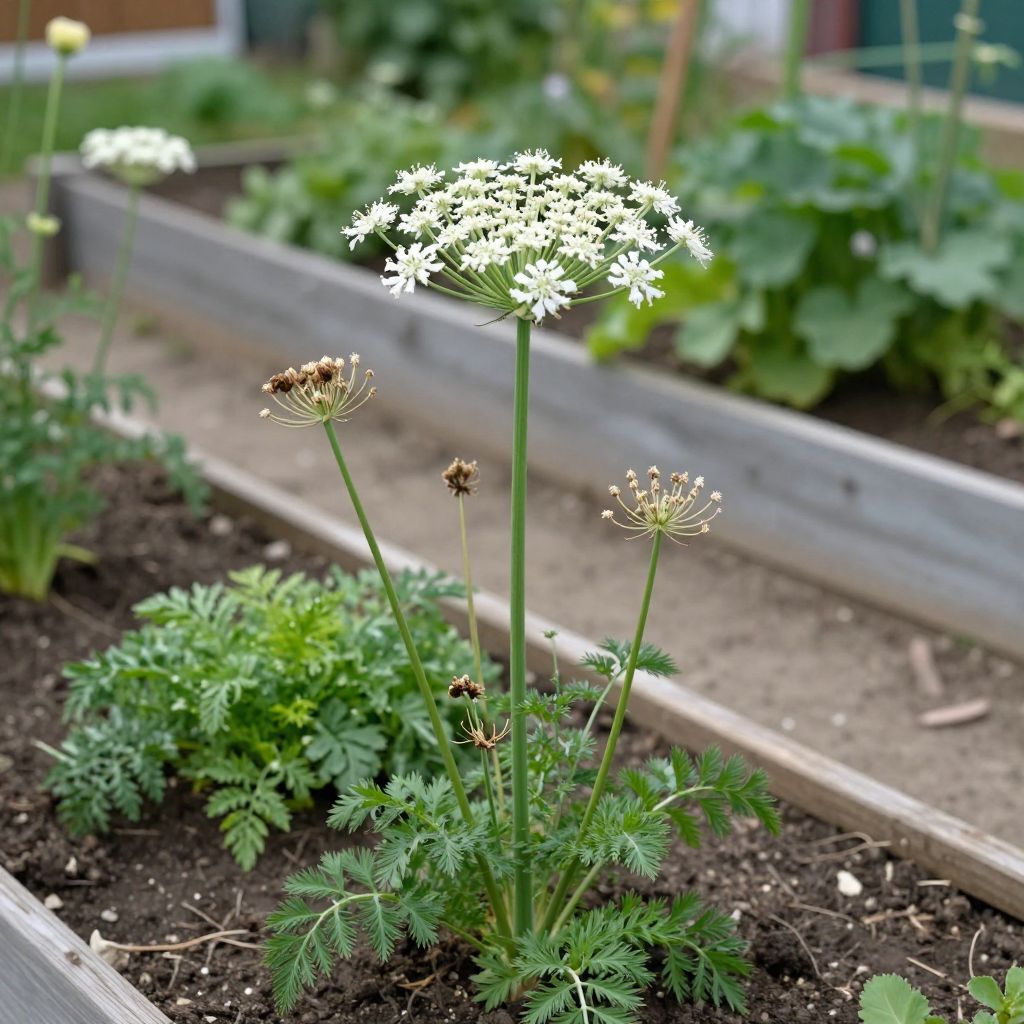
Wondering where do carrot seeds come from? They come from carrot plants that are allowed to mature, flower, and set seed in their second year. Carrots are biennials, so the root you eat in year one must be left in the ground or replanted to produce flowers and seed heads later.
If you want to save carrot seed or understand how seed is produced, the key is timing, isolation, and healthy parent plants. With the right conditions, carrot flowers form umbrella-like seed heads that dry into the familiar seed you sow in the garden.
Where do carrot seeds come from?
Carrot seeds come from the flower heads of mature carrot plants, usually in their second growing season. The plant stores energy in the root during year one, then sends up a tall flowering stalk in year two. After pollination, the flowers form dry seed clusters that are harvested and cleaned for planting.
How carrot seed is produced
Carrots are biennial, which means they normally grow leaves and a root the first year, then flower the second year. If you leave a healthy carrot in the ground through winter, or replant a stored root, it can produce a tall seed stalk called a bolting stem.
Year one: root growth
During the first season, the plant focuses on building the taproot. This is the orange, purple, yellow, or white root you harvest and eat. If the plant is stressed by heat, crowding, or cold shock, it may bolt early instead of making a good root.
Year two: flowering and seed set
In the second season, the carrot sends up a branching stalk topped with flat flower clusters. The flowers are usually white and attract pollinators such as flies, bees, and beneficial insects. After pollination, the flowers dry and form seed.
What the seed looks like
Carrot “seed” is actually a small dry fruit called a schizocarp that splits into two seeds when mature. This is why carrot seed often looks ridged, oval, and slightly bristly. Commercial seed is usually cleaned so the pieces separate more evenly for sowing.
Best locations for growing carrot seed plants
If you want to save your own seed, the best location is a place with full sun, loose soil, and enough space for tall flowering stalks. Carrot seed plants need room, air movement, and protection from strong wind that can topple the stems when seed heads are heavy.
Outdoor beds
Outdoor garden beds are the easiest place to produce carrot seed. Choose a site with:
- Full sun to light shade
- Well-drained soil
- Room for plants to grow 2 to 4 feet tall, sometimes taller
- Nearby pollinator activity
Containers and small spaces
Carrots grown in containers are usually harvested before seed production, but you can still overwinter a few roots in large pots if the climate allows. Use a deep container and protect it from freezing or waterlogging. Seed production in pots is less reliable, so beds are better for most gardeners.
Climate and season matter
Because carrots need a cold period before flowering, local climate affects whether they will set seed well. In mild winter areas, plants may overwinter in the ground. In colder regions, gardeners often dig up selected roots and replant them in spring to produce seed stalks.
How to save carrot seed step by step
If your goal is seed saving, start with healthy, true-to-type plants. Carrots cross-pollinate easily with other flowering carrots and some wild relatives, so isolation matters if you want reliable seed for next season.
- Choose healthy roots from vigorous, disease-free plants with the traits you want.
- Overwinter the roots in the ground or store them in slightly moist sand or sawdust in a cool place, depending on your climate.
- Replant in spring if needed, spacing them so flower stalks have room.
- Let the umbels flower and avoid cutting the stalks too early.
- Wait for the seed heads to dry until they turn brown and begin to loosen.
- Harvest carefully by snipping the heads into a paper bag.
- Dry and clean the seed before storing it in a cool, dry place.
Isolation is important
Carrots can cross with other flowering carrots and wild carrot relatives, which can affect seed purity. If you are saving seed from a named variety, isolate it from other carrot types and wild Queen Anne’s lace where possible. Greater distance is better, especially in open, windy sites.
Choosing the right parent plants
Select roots that are typical for the variety and free from splitting, rot, or pest damage. Avoid saving seed from weak, diseased, or off-type plants. Good seed starts with good parent material.
Growing conditions that help carrot plants make seed
Healthy seed production starts with healthy plants. Carrots need loose, stone-free soil for root development in year one, then steady moisture and good drainage when they flower in year two. Stress at either stage can reduce flowering or seed quality.
Soil
Use fertile, well-drained soil that is not compacted. Heavy clay can distort roots and make overwintering difficult. Work in compost before planting, but avoid fresh manure, which can cause forked roots and poor root shape.
Watering
Keep soil evenly moist while roots are establishing. Once plants are flowering and setting seed, avoid drought stress, because dry conditions can reduce seed fill. At the same time, soggy soil can encourage rot, especially on overwintered roots.
Sunlight
Carrots for seed do best in full sun. More sun generally means stronger flowering and better seed maturation. In very hot climates, a little afternoon shade can reduce stress, but too much shade may weaken flowering.
Spacing
Give flowering plants enough room for air circulation. Crowded seed stalks are more likely to lodge, tangle, or develop disease. If you are growing several plants for seed, space them so you can walk between them and inspect seed heads easily.
Common problems when growing carrot seed
Seed production can fail for a few predictable reasons. Most issues come from poor overwintering, premature bolting, weak pollination, or harvesting too early.
Bolting too soon
If carrots flower in the first year, they usually produce a small, woody root. This often happens after cold exposure, transplant shock, or heat stress. For eating, this is a problem; for seed saving, it is only useful if the plant is healthy and true to type.
Root rot during winter
Overwintered roots can rot in wet soil or poorly ventilated storage. Choose a site with drainage, and do not bury roots in saturated media. If winters are wet, lifting and storing selected roots may be safer than leaving them in the ground.
Poor pollination
Carrot flowers rely on insect pollination. If you have few pollinators, seed set may be light. Encourage beneficial insects by growing a mix of flowering plants nearby and avoiding broad-spectrum insecticides during bloom.
Seed heads shatter too early
Carrot seed falls easily when fully mature. If you wait too long, the seed can drop before harvest. Watch for the outer umbels to turn brown and dry, then collect them before they release seed in the wind.
Harvesting and cleaning carrot seed
Harvest when most of the seed heads are dry and brown, but before they crumble apart. Cut the umbels into a paper bag or onto a clean tray. Let them dry further in a cool, airy place out of direct sun.
Simple cleaning method
- Rub the dry seed heads gently between your hands.
- Separate the seed from stems and chaff.
- Use a sieve or light airflow to remove debris.
- Store only fully dry seed in a labeled envelope or jar.
Do not store seed that still feels damp. Moisture can lead to mold and reduce germination.
Storage tips
Keep cleaned seed in a cool, dark, dry place. A labeled paper envelope inside a sealed container works well if humidity is low. Include the variety name and harvest year so you know what you are planting later.
Can you grow carrots from store-bought carrots?
Not usually for seed production. Grocery carrots are harvested roots, not seed-producing plants, and many have been bred or handled for eating quality rather than seed saving. If you want carrot seed, start with a garden-grown carrot plant and let it complete its full life cycle.
Practical tips for better carrot seed success
- Start with vigorous, disease-free roots.
- Protect overwintering plants from standing water.
- Give seed stalks room to grow and dry.
- Watch for pollinators during bloom.
- Harvest before the seed shatters.
- Store seed cool, dry, and clearly labeled.
Conclusion
So, where do carrot seeds come from? They come from the flowers of mature carrot plants after the root has survived long enough to bloom, usually in the second year. If you want your own seed, choose healthy roots, provide good drainage and sun, and harvest the dry seed heads before they drop.
For more help with carrot growing, you may also want to read do carrots have seeds? and what do carrots look like when they sprout?.