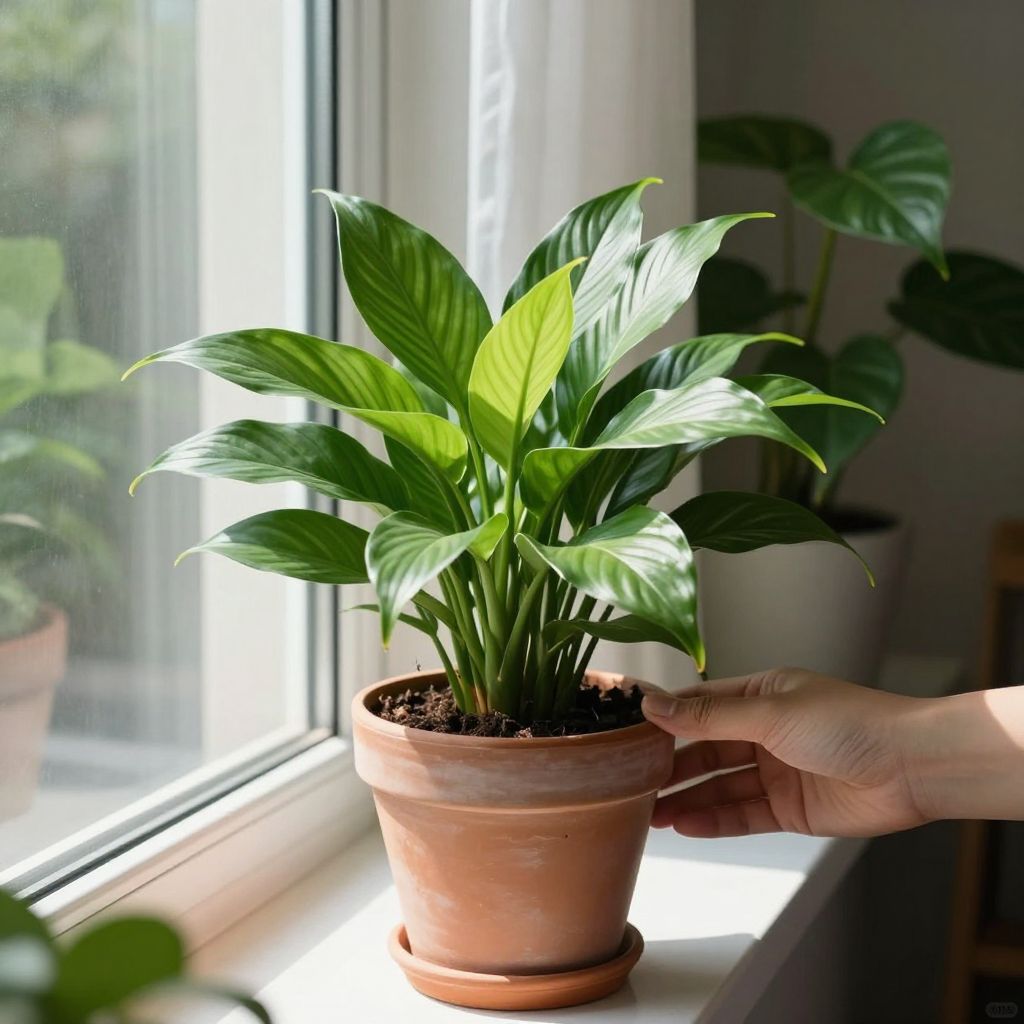
Do plants need UV light, or is regular sunlight enough? The short answer is that most plants can grow well without extra UV, but some UV exposure can improve color, compact growth, and stress tolerance. The key is balance: too little light weakens plants, while too much UV can scorch leaves and slow growth.
Whether you grow houseplants, seedlings, vegetables, or ornamentals, the right light depends on the plant species, your window or garden conditions, and how long the plant receives direct sun each day. Understanding where UV fits into plant care helps you avoid overthinking “special” light and focus on what plants truly need first.
Do Plants Need UV Light?
Most plants do not need supplemental UV light to survive or grow normally. They need enough total light, especially visible light for photosynthesis, plus good watering, drainage, and nutrients. UV can be beneficial in small amounts, but it is usually a secondary factor compared with brightness, duration, and spectrum of light.
What UV Light Does for Plants
Sunlight includes visible light, infrared, and ultraviolet rays. Plants use visible light most heavily for growth, but UV can influence plant form and chemistry.
How UV-A and UV-B affect growth
- UV-A is the milder form and is present in natural sunlight and some grow lights.
- UV-B is more intense and can trigger protective responses in plants.
- Small amounts of UV may help some plants develop stronger pigments, thicker leaves, or more compact growth.
- Too much UV can damage leaf tissue, bleach foliage, and reduce photosynthesis.
In practical gardening terms, UV is not a substitute for strong light. A plant in a dim room with a UV lamp will still struggle if the overall light level is too low.
Why sunlight usually covers the need
Outdoor plants receive natural UV as part of normal sunlight. Even many bright indoor spaces near south- or west-facing windows provide some UV, though glass filters out a portion of it. For most home gardeners, that means extra UV is unnecessary unless you are using specialized indoor growing equipment or growing high-light crops under artificial lights.
Which Plants Benefit Most from UV Exposure?
Some plants respond more noticeably to UV than others, especially those grown for color, flavor, or compact form. Even then, the benefits are modest and depend on the plant being healthy enough to use the light well.
Plants that may respond well
- Colorful ornamentals that develop stronger pigments in bright light
- Herbs and leafy greens grown in strong indoor lighting
- Sun-loving vegetables such as tomatoes, peppers, and basil
- Succulents and cacti that naturally grow in intense sun
Shade-loving plants usually do not need extra UV and may be harmed by it. Ferns, many calatheas, peace lilies, and other low-light houseplants are better protected from intense direct sun and strong artificial UV.
When UV Light Becomes a Problem
More UV is not automatically better. Plants can suffer from excess exposure, especially when they are moved suddenly from indoors to outdoors or placed too close to a strong grow light.
Signs of too much UV or too much sun
- Bleached or faded patches on leaves
- Brown, crispy edges or tips
- Leaves curling, tightening, or looking leathery
- Stunted growth after a sudden light change
- Scorched spots on the most exposed side of the plant
If you see these symptoms, the issue may be UV, but it may also be heat stress, low humidity, or simple sunburn from abrupt exposure. The fix is usually the same: reduce intensity and acclimate the plant gradually.
Indoor Plants: Do They Need UV Light Indoors?
Most indoor plants do not need a dedicated UV bulb. They need enough visible light intensity and the right photoperiod, which is the number of hours of light each day. For many houseplants, a bright window or a proper grow light is more important than UV output.
What matters more than UV indoors
- Light intensity: How bright the light is at leaf level
- Duration: How many hours of light the plant receives
- Distance: How far the plant sits from the light source
- Consistency: Stable conditions from day to day
If you use grow lights, choose one designed for plants and position it according to the manufacturer’s guidance. A good grow light with enough brightness is usually more valuable than one that advertises UV output but lacks usable light for photosynthesis.
Window light versus grow lights
Natural window light changes with season, weather, and window direction. South-facing windows usually provide the strongest light in the Northern Hemisphere, while north-facing windows are much dimmer. Grow lights help fill in the gap when natural light is insufficient, especially in winter or in rooms far from windows.
Outdoor Plants: Natural UV and Seasonal Changes
Outdoor plants already receive UV from the sun, so the main job is managing exposure rather than adding it. Seasonal shifts matter because spring, summer, and winter sun differ in strength and angle.
How to prevent sun stress outdoors
- Harden off seedlings and houseplants before moving them outside.
- Start with morning sun or dappled shade, then increase exposure gradually.
- Use shade cloth for tender plants during heat waves or intense afternoon sun.
- Water deeply when needed so plants are not stressed by both drought and sun.
Young transplants are especially vulnerable. A plant that has been growing indoors under soft light can burn quickly if placed into full midday sun without a transition period.
How to Tell If Your Plant Is Getting Enough Light
Instead of focusing only on UV, look at the plant’s overall growth. Healthy light levels usually lead to steady growth, good leaf color, and normal spacing between leaves.
Common signs of too little light
- Leggy stems with long gaps between leaves
- Small, pale, or weak new growth
- Leaves leaning strongly toward the window
- Slow growth even when watering and feeding are adequate
Common signs of adequate light
- Compact, balanced growth
- Even leaf color
- Steady new leaves or shoots during the growing season
- Normal flowering or fruiting for the species
If a plant looks stretched or thin, the answer is usually more total light, not more UV specifically.
How to Add UV Light Safely, If You Really Need It
Most home gardeners can skip this step. But if you are growing high-light plants indoors, experimenting with pigment enhancement, or using a specialized setup, add UV carefully and only after the plant is already receiving strong usable light.
Safe approach for supplemental UV
- Use equipment made for horticulture, not improvised household bulbs.
- Follow the manufacturer’s distance and timing recommendations.
- Introduce UV gradually, not all at once.
- Monitor leaves closely for bleaching, curling, or dry edges.
- Keep watering, temperature, and airflow steady so the plant is not stressed in multiple ways.
Never assume more exposure is better. If a plant is already heat-stressed, underwatered, or recently repotted, extra UV can make the problem worse.
Growing Conditions That Matter More Than UV
Good plant care starts with the basics. Even the best light cannot compensate for poor soil, bad drainage, or inconsistent watering.
Soil and drainage
Use a potting mix or garden soil suited to the plant type. Most container plants need a well-draining mix so roots can breathe. Heavy, soggy soil can cause root rot, which weakens the plant and makes it less able to handle bright light.
Watering
Water based on the plant’s needs, pot size, temperature, and season. A plant in stronger light may dry out faster than one in shade, but always check the soil before watering. Let the top layer dry if that suits the species, and avoid leaving containers standing in water.
Fertilizing
Healthy light helps plants use nutrients well, but overfertilizing can cause soft growth that is more easily damaged by sun. Feed only when the plant is actively growing and according to the needs of that specific species.
Common Mistakes to Avoid
- Buying UV lights before fixing low overall light
- Moving plants from shade to full sun too quickly
- Placing grow lights too close to leaves
- Ignoring heat buildup near windows or under lamps
- Assuming every plant wants the same light level
- Confusing sunburn with disease or nutrient deficiency
When diagnosing problems, look at the whole growing environment. Light, water, temperature, and root health all interact.
Troubleshooting Light Problems
If your plant looks pale or stretched
Move it to a brighter location, clean dusty leaves, or increase grow-light time and intensity if needed. Rotate the pot every week or two so growth stays even.
If your plant has scorched leaves
Move it out of direct harsh sun or reduce light intensity. Trim badly damaged leaves only if they are mostly dead; otherwise, leave some foliage in place so the plant can keep photosynthesizing.
If your plant is healthy but not flowering or fruiting
Check whether it needs more total light, not just UV. Flowering and fruiting plants often require strong light, stable temperatures, and proper feeding to perform well.
Bottom Line for Home Gardeners
Do plants need UV light? Usually, no—not as a separate requirement. What they truly need is enough high-quality light, plus the right water, soil, and care for their species. Natural sunlight already provides UV outdoors, and most indoor plants do fine without special UV bulbs.
If you want better growth, start by improving brightness, placement, and acclimation before adding anything specialized. For more plant care guidance, you may also want to read related gardening advice on houseplant light needs and how to choose the right grow light.