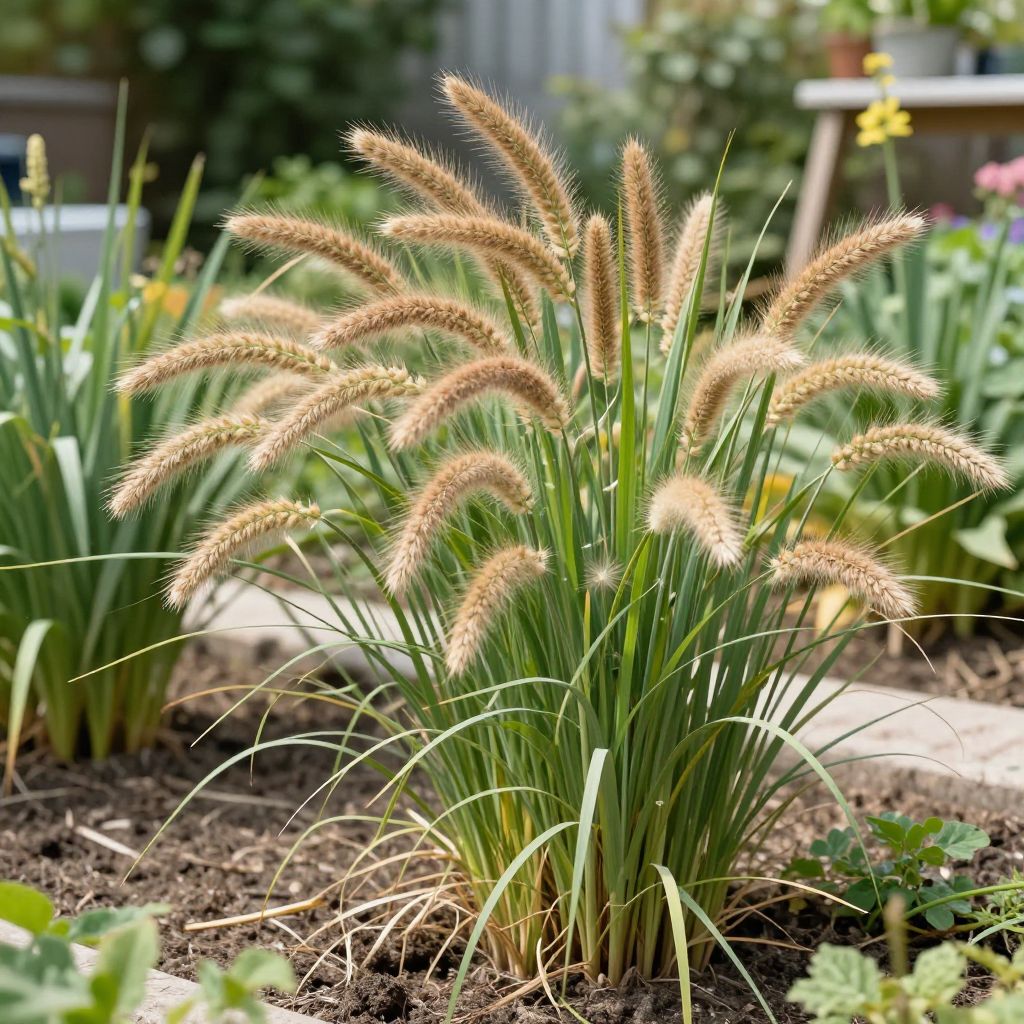
Where does grass seed come from? If you’ve ever spread lawn seed, it can seem like a simple packaged product, but it starts as a living crop that is grown, pollinated, harvested, cleaned, and tested before it reaches the bag. Knowing how grass seed is produced helps you choose better seed and grow a healthier lawn.
The best seed usually comes from plants grown in large fields under careful management, then harvested when the seed heads mature and dry. The exact source depends on the grass species, climate, and whether the seed is grown for turf, pasture, or conservation use.
Where does grass seed come from?
Grass seed comes from mature grass plants that are allowed to flower and set seed, usually in dedicated seed-production fields. After pollination, the seed heads ripen, are harvested, cleaned, and graded. Quality seed is then packaged according to species, purity, germination rate, and sometimes cultivar.
How grass seed is produced
Most lawn seed starts on farms that specialize in seed production rather than in mowing turf. Growers plant a grass species, let it grow long enough to flower, and manage it so the seed heads develop fully.
From flowering to harvest
Grass flowers are small and often wind-pollinated. Once pollination happens, the plant shifts energy into developing seeds inside the seed heads.
When the seed is mature, the crop is cut and dried. Depending on the species and farm setup, harvesting may be done with combines or by cutting and collecting the seed heads for processing.
Cleaning and testing
Raw harvested seed is not ready for your lawn. It is cleaned to remove chaff, stems, weeds, and broken seed, then tested for germination and purity.
This is one reason two bags that look similar can perform very differently. A higher-quality bag usually contains more viable seed and fewer unwanted fillers or weed seeds.
Best locations where grass seed is grown
Grass seed is grown where the climate suits the species and where farmers can produce a reliable crop. The “best” location is not one universal place; it depends on the grass type and local growing conditions.
Cool-season grass seed regions
Cool-season grasses such as Kentucky bluegrass, perennial ryegrass, and tall fescue are often grown in regions with moderate summers and cooler nights. These conditions help plants produce strong seed heads without excessive heat stress.
Areas with well-drained soil and enough irrigation or seasonal rainfall are especially useful for seed production. Too much heat during flowering can reduce seed set and lower quality.
Warm-season grass seed regions
Warm-season grasses, including bermudagrass and zoysiagrass, need longer warm periods to flower and mature seed. They are typically grown where summers are hot and long enough for full seed development.
In cooler climates, these grasses may still be grown for turf, but seed production is less reliable. That is one reason some warm-season lawns are established by sod, plugs, or sprigs instead of seed.
Why location matters to gardeners
The region where seed is grown affects availability, cost, and sometimes performance. Seed produced in a climate similar to yours may be better adapted to local stress, but the seed label matters more than the origin alone.
Always check the species and cultivar on the label first. The growing region is useful, but the right grass type for your lawn is more important than the farm location.
What to look for on a grass seed label
If you want good results, the bag label tells you far more than the brand name. A quality label helps you compare seed lots and avoid poor-performing mixes.
- Species name such as perennial ryegrass, tall fescue, or Kentucky bluegrass.
- Purity percentage, which shows how much of the bag is actual seed.
- Germination percentage, which estimates how many seeds are likely to sprout.
- Other crop seed and weed seed, which should be low.
- Seed lot date or test date, so you know the results are current.
If a label does not clearly identify the species, or if the germination test is old, consider another product. Fresh seed usually performs better than seed that has sat in storage for too long.
How to choose the right grass seed for your yard
The best seed for your lawn depends on sunlight, traffic, soil, and climate. A shady backyard, a sunny front lawn, and a high-traffic play area may all need different grass types or mixes.
Match seed to growing conditions
- Full sun: Choose grasses that tolerate heat and direct light well.
- Partial shade: Look for shade-tolerant turf varieties, and avoid expecting sun-loving grasses to thrive.
- Heavy foot traffic: Use durable grasses or blends designed for wear.
- Dry soils: Pick drought-tolerant species and improve soil structure before sowing.
- Wet or compacted areas: Fix drainage and compaction first, because seed alone will not solve the problem.
In many yards, a blend is more forgiving than a single species because different grasses handle stress differently. Still, avoid buying a mix just because it sounds versatile; make sure the ingredients fit your site.
How to grow grass seed successfully
Once you understand where grass seed comes from, the next step is getting it to germinate well in your own soil. Good seed needs good seed-to-soil contact, steady moisture, and the right amount of light.
Prepare the soil first
- Remove weeds, stones, and debris.
- Loosen the top layer of soil so roots can establish.
- Level low spots where water may collect.
- Add compost if the soil is poor, sandy, or low in organic matter.
- Test drainage before sowing if the area stays soggy after rain.
A thin layer of compost can improve moisture retention and seedling growth, but do not bury seed too deeply. Most grass seed should be covered lightly, according to the label or just raked in shallowly.
Sow at the right depth
Grass seed is small and usually germinates best near the soil surface. After spreading seed evenly, lightly rake it in and press it into the soil with a roller or by walking over it on a board if the area is small.
Deep planting is a common mistake. If seed is buried too far down, it may rot or fail to emerge because it does not have enough stored energy to reach the surface.
Water correctly during germination
New seed needs consistent moisture, not soaking. Keep the top layer of soil evenly damp until seedlings are established, adjusting for rainfall, temperature, wind, and soil type.
In hot or windy weather, the soil may dry quickly and need more frequent light watering. In cool or humid conditions, reduce watering to avoid soggy soil and fungal problems.
Common problems when grass seed won’t grow
When seed fails, the issue is often not the seed itself. Poor soil contact, old seed, shallow watering, or the wrong grass for the site are usually more likely causes.
Possible causes and fixes
- Old or poorly stored seed: Buy fresh seed with a recent germination test.
- Poor soil contact: Rake seed in lightly and press it down.
- Dry surface: Water more consistently during the first stage of growth.
- Too much shade: Switch to a shade-tolerant mix or thin nearby plants.
- Compacted soil: Aerate or loosen the soil before reseeding.
- Birds or runoff: Use a light mulch or erosion control cover where needed.
Diseases and damping off
Very wet, cool, or crowded conditions can encourage fungal problems in seedlings. To reduce risk, avoid overwatering, improve airflow where possible, and do not sow too densely.
If patches keep failing in the same area, inspect the site for drainage issues or buried construction debris. Seed will struggle in soil that stays waterlogged or crusts over after rain.
Can you collect grass seed yourself?
Yes, in some cases you can collect seed from grass growing in your yard or garden, but the results are often inconsistent. Many lawn grasses are hybrids or named cultivars, so seed saved from them may not grow true to type.
For home gardeners, collecting seed makes more sense from ornamental grasses or from species lawns that are allowed to flower. Even then, you need patience, because seed must be fully mature before harvest.
Basic harvesting tips
- Wait until seed heads are dry and mature.
- Cut seed heads before they shatter and drop seed naturally.
- Dry them further in a clean, airy place.
- Thresh and clean out chaff before storing.
- Store seed cool, dry, and labeled by species and date.
Home-collected seed is best treated as a small experiment, not a guaranteed lawn solution. For a reliable lawn renovation, purchased seed is usually the safer choice.
Seasonal timing and maintenance after sowing
Timing depends on your climate and grass type, but the goal is always the same: give seedlings mild conditions and enough time to establish before stress arrives. Cool-season grasses often establish best during cooler parts of the year, while warm-season grasses need dependable warmth.
After germination, mow only when the grass is tall enough to cut without stress. Keep blades sharp and remove no more than one-third of the leaf height at a time.
As the lawn fills in, reduce watering frequency but water more deeply when you do irrigate. This encourages roots to grow downward instead of staying shallow.
Conclusion
Grass seed comes from mature grass plants grown in seed fields, then harvested, cleaned, and tested before sale. If you want better results in your yard, choose seed that matches your climate, sunlight, and soil, and give it careful soil preparation and steady moisture at the start.
If you want to improve your lawn further, consider reading more about how to prepare soil for seeding and choosing the best grass type for your yard.