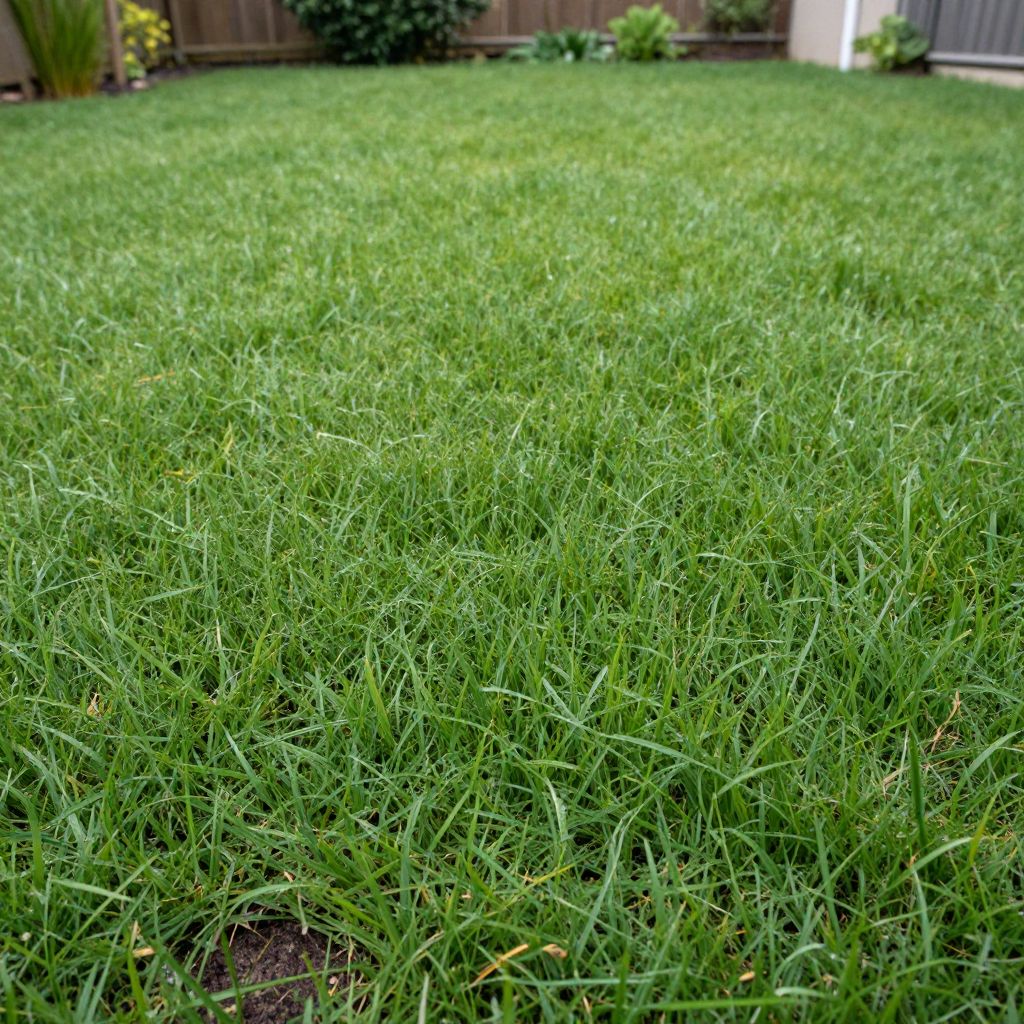
Why is the grass green? In most lawns, the answer is simple: grass contains chlorophyll, the pigment that captures sunlight and powers photosynthesis. Healthy grass also looks greener when it has enough nitrogen, steady moisture, and active growth. When color fades, the cause is usually a growing-condition issue, not a mystery disease.
If your lawn is pale, yellowing, or patchy, the fix depends on what is limiting growth. The good news is that you can often improve color by adjusting mowing, watering, soil health, and light rather than reaching for a quick chemical solution.
Why is the grass green?
Grass is green because chlorophyll in the leaves absorbs red and blue light while reflecting green light back to your eyes. The richer the chlorophyll content, the deeper the green. Grass stays greener when it has enough sunlight, water, nutrients, and healthy roots to keep producing new leaf tissue.
What makes lawn color stronger or weaker?
Not all green lawns are equally vibrant. Color depends on the plant’s health, the season, and the conditions in your yard.
1. Sunlight drives chlorophyll production
Most lawn grasses need several hours of direct sun to stay dense and green. In shade, grass often stretches, thins out, and turns a lighter green or yellow-green because it cannot make as much energy.
If your lawn is under trees or beside buildings, look for filtered light, root competition, and dry soil. Shade-tolerant grasses may help, but too much shade can still leave bare or weak areas.
2. Nitrogen affects color
Nitrogen is one of the main nutrients behind deep green growth. When soil nitrogen is low, grass often looks pale, slow-growing, and less vigorous. Too much nitrogen, however, can cause weak growth, leaf burn, and extra mowing.
A soil test is the safest way to know whether your lawn needs feeding. It helps you avoid guessing and lets you correct real deficiencies instead of overfertilizing.
3. Water keeps grass actively growing
Grass usually looks greener when it has consistent moisture. Drought stress can make blades dull, bluish-gray, or yellow-brown, especially on hot, windy days. Overwatering can also reduce color by limiting oxygen in the root zone.
The goal is to keep roots moist but not soggy. Deep, less frequent watering usually supports stronger roots than frequent light sprinkling.
4. Soil health influences root function
Compacted soil, poor drainage, and low organic matter can all make grass look weak. If roots cannot spread or breathe, the lawn may stay thin and pale even if you water and fertilize it.
Healthy soil supports better nutrient uptake, stronger roots, and more even color. Compost topdressing, aeration, and reducing traffic on stressed areas can make a noticeable difference over time.
5. Mowing habits can change the color you see
Cutting grass too short removes too much leaf surface, which limits photosynthesis and can make the lawn look lighter or stressed. Dull mower blades tear the grass instead of slicing cleanly, leaving frayed tips that dry out and look pale.
As a general rule, mow at the height suited to your grass type and avoid removing more than one-third of the blade at a time. Keep blades sharp for a cleaner, greener finish.
Common reasons grass turns pale, yellow, or patchy
When a lawn loses its green color, the cause is often one of a few common garden problems. Use the symptoms to narrow it down.
- Low nitrogen: Older leaves fade first, and the lawn looks uniformly pale.
- Heat or drought stress: Grass may look dull, folded, or bluish before turning tan.
- Too much shade: Thin, weak, light-colored growth with bare spots.
- Poor drainage: Yellowing, moss, or soft soil that stays wet too long.
- Compaction: Thin turf, slow recovery, and water pooling after rain.
- Pests or disease: Irregular patches, chewed blades, or spreading spots.
- Pet urine or fertilizer burn: Sudden dark green ring followed by yellow or brown dead patches.
How to make grass greener without harming it
If you want a greener lawn, focus on the basics first. These steps improve color while supporting long-term turf health.
- Check sunlight. Notice how many hours of direct sun the area gets and whether trees or structures are blocking light.
- Inspect watering. Push a screwdriver or soil probe into the ground after watering. If the top is dry but the root zone is dry too, the lawn may need deeper watering.
- Test the soil. A soil test can reveal pH and nutrient issues that affect color and growth.
- Mow correctly. Keep blades sharp and set mowing height for your grass type and season.
- Feed only if needed. Use a balanced lawn fertilizer or compost-based approach based on soil test results and the lawn’s growth stage.
- Improve soil structure. Aerate compacted areas and topdress with a thin layer of compost where appropriate.
Watering tips for greener grass
Water deeply enough to moisten the root zone, then let the surface begin to dry before watering again. Early morning is usually the best time because less water is lost to evaporation and leaves dry faster, which can reduce disease pressure.
Avoid frequent shallow watering. It encourages shallow roots and can make the lawn more vulnerable to heat and stress.
Fertilizing without overdoing it
Grass often greens up after feeding, but more fertilizer is not always better. Overfeeding can create fast, weak growth and increase mowing needs. It can also stress roots if applied incorrectly.
If you are unsure, start with a soil test and a modest, appropriate feeding plan for your grass type and season. In hot weather or drought, avoid pushing soft growth that the lawn cannot support.
Fixing shade-related color loss
If shade is the main issue, fertilizer alone will not solve it. Try pruning lower tree limbs to increase light, thinning dense canopies, or switching to a shade-tolerant groundcover in areas where grass will never thrive.
Many lawns fail in deep shade because the problem is not nutrition but insufficient light. In those spots, the most practical solution may be to reduce turf area.
When grass is green but not healthy
A lawn can look green and still have problems. Fast growth, dark color, or a glossy look may hide weak roots, excess fertilizer, or poor drainage.
Watch for these warning signs
- Soft, floppy growth that needs mowing too often
- Spongy soil or standing water after rain
- Patchy color that changes quickly after weather shifts
- Grass that greens up fast but browns out just as fast
- Thin turf with weeds moving into open spaces
These signs suggest the lawn needs better soil conditions, not just more feeding. A greener lawn should also be resilient, dense, and able to recover from foot traffic.
Seasonal changes: why grass color shifts through the year
Grass color changes naturally with temperature and growth rate. Cool-season grasses often look best in spring and fall, while warm-season grasses usually peak in late spring and summer.
During heat, drought, or dormancy, many lawns slow down and lose some color. That does not always mean the grass is dying. Check whether the grass is still alive at the crown and whether conditions are simply outside its preferred season.
How to tell stress from dormancy
Stress often shows as patchy yellowing, thinning, or crisp leaf tips. Dormancy is usually more uniform, with the lawn fading evenly as growth slows. If you are unsure, look at the base of the plant and the soil moisture before assuming the worst.
Common mistakes that make grass less green
Some well-meant lawn care habits can actually reduce color over time.
- Scalping the lawn by mowing too short
- Watering lightly every day instead of deeply when needed
- Applying fertilizer blindly without checking soil needs
- Ignoring compaction in high-traffic areas
- Leaving mower blades dull so the grass is torn, not cut
- Expecting full color in deep shade where grass cannot perform well
Quick troubleshooting guide
If you want a fast way to narrow down the cause, start with the lawn’s pattern and conditions.
- Uniform pale green: often low nitrogen, poor growth, or broad stress from weather.
- Yellow patches: may indicate pet damage, pests, disease, or localized drainage problems.
- Thin, weak growth in shade: likely too little light.
- Brown tips with otherwise green blades: often mowing injury, drought, or salt/fertilizer scorch.
- Spots that spread: check for disease, insects, or irrigation issues.
If the problem is uncertain, take photos, note where the damage appears, and compare sunny and shaded areas. Patterns often reveal the cause faster than guesswork.
Conclusion: the path to a greener lawn
Grass is green because of chlorophyll, but lawn color depends on more than pigment alone. Sunlight, water, nutrients, mowing, and soil conditions all influence how green your grass looks and how well it grows. Start by checking the basics, then correct the biggest limiting factor first.
If you want to keep improving your lawn, the next helpful step is learning how to test soil for lawn health and how to mow grass the right way for stronger color and better growth.