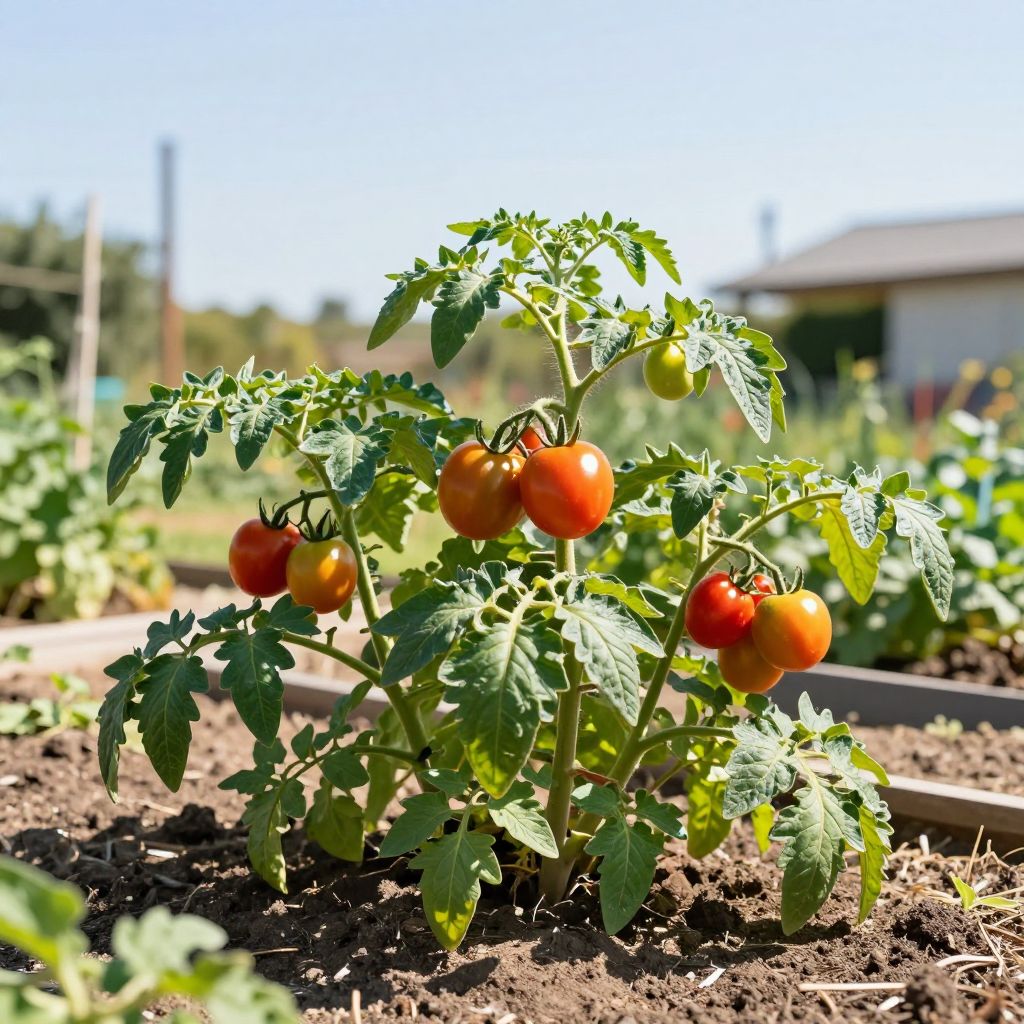
Do tomato plants need full sun? In most gardens, yes—tomatoes grow best with strong, direct light and plenty of warmth. Full sun helps plants produce more flowers, set more fruit, and ripen tomatoes properly.
That said, the right amount of sun depends on your climate, the season, and whether you’re growing in containers, raised beds, or the ground. If your garden is partly shaded, you can still grow tomatoes, but you may need to choose your site and care routine more carefully.
Do tomato plants need full sun?
Yes. Tomato plants generally need at least 6 to 8 hours of direct sunlight per day, and 8 or more hours is even better for strong growth and fruiting. In cooler climates, full sun is especially important. In very hot regions, a little afternoon shade can protect plants from heat stress.
Why sunlight matters for tomatoes
Tomatoes are fruiting vegetables, and fruit production takes a lot of energy. Sunlight powers photosynthesis, which fuels leafy growth, flowering, and fruit development.
When tomatoes do not get enough light, they usually become leggy, flower less, and produce fewer fruits. The tomatoes they do set may take longer to ripen and may have weaker flavor.
Signs your tomatoes are not getting enough sun
- Long, thin stems with wide spaces between leaves
- Fewer flowers than expected
- Slow growth even when soil moisture is adequate
- Small harvests or fruit that stays green for a long time
- Plants leaning strongly toward the brightest light source
How much sun is enough for tomato plants?
For best results, aim for a location that gets 6 to 8 hours of direct sun daily. If you can provide 8 to 10 hours, many tomato plants will grow more vigorously, especially indeterminate types that keep producing over a long season.
Morning sun is especially valuable because it dries dew from leaves and helps reduce disease pressure. A site with bright morning sun and some afternoon relief can be a good compromise in hot climates.
Full sun vs. partial sun
- Full sun: 6+ hours of direct sun; best for most tomato crops
- Partial sun or light shade: 4 to 6 hours; possible, but yields are often lower
- Heavy shade: under 4 hours; usually not enough for good tomato production
Can tomatoes grow with less than full sun?
They can grow, but performance usually drops. In 4 to 6 hours of sun, tomato plants may survive and produce some fruit, but they often need a longer growing season and more careful pruning, spacing, and feeding to do well.
If your garden is shaded by trees, fences, or buildings, try to improve light before giving up on tomatoes. Even a few extra hours of direct sun can make a noticeable difference.
Ways to improve light in a shady garden
- Choose the sunniest spot available, even if it is only a small area.
- Place containers where they can follow the sun during the day.
- Trim or thin nearby branches if you are allowed to do so.
- Use reflective surfaces carefully, such as a light-colored wall or fence.
- Avoid crowding tomatoes with tall companion plants that block light.
What happens if tomato plants get too much hot sun?
Tomatoes like sun, but extreme heat can be a problem. In very hot climates, strong afternoon sun can stress plants, especially when temperatures stay high for several days. Leaves may wilt, flowers may drop, and fruit may develop sunscald.
If summer temperatures are regularly intense, some afternoon shade can actually help. The goal is not less light overall, but better balance between sunlight and heat.
How to protect tomatoes from heat stress
- Mulch the soil to keep roots cooler and reduce moisture loss
- Water deeply so plants can handle hot afternoons better
- Use shade cloth if your climate is extremely hot
- Keep fruit shaded by maintaining healthy leaf cover
- Choose planting spots with morning sun and filtered afternoon light in hot regions
Best growing conditions for healthy tomato plants
Sunlight is only one part of good tomato care. Healthy tomatoes also need fertile, well-drained soil, steady moisture, and enough space for air movement.
When these basics are right, the plant can make better use of the sunlight it receives.
Soil and drainage
Tomatoes prefer soil that drains well but still holds some moisture. Heavy, waterlogged soil can reduce root health and make plants more vulnerable to disease.
- Work in compost before planting to improve soil structure
- Use raised beds if your native soil stays wet
- Avoid planting in low spots where water collects
- Make sure containers have drainage holes
Watering
Tomatoes need consistent moisture, especially once they begin flowering and fruiting. Irregular watering can lead to blossom-end rot, fruit cracking, and reduced yields.
Water at the base of the plant rather than overhead when possible. Wet leaves can encourage fungal disease, especially in humid weather.
Spacing and airflow
Good spacing helps sunlight reach the plant and improves air movement around the leaves. Crowded tomatoes stay damp longer after rain or watering, which increases disease risk.
- Give plants enough room based on their mature size
- Prune lightly if needed to improve airflow
- Remove lower leaves that touch the soil
Growing tomatoes in containers
Container-grown tomatoes need the same sunlight as garden-grown tomatoes, and often more attention. Pots dry out faster and warm up more quickly in full sun, so container plants may need closer monitoring in hot weather.
Place containers where they receive direct sun for most of the day. If the pot is on a patio, deck, or balcony, rotate it occasionally so all sides get even light.
Container tips for better sun use
- Use a large enough pot to support root growth
- Choose a sunny, stable location before planting
- Check soil moisture often during warm spells
- Mulch the top of the pot to slow evaporation
- Stake or cage plants so they stay upright and exposed to light
Pruning and support for better light exposure
Support structures help tomato plants stay upright, which improves sun exposure and air circulation. Cages, stakes, or trellises can also keep fruit off the ground and make maintenance easier.
Pruning should be light and purposeful. Removing too much foliage can expose fruit to harsh sun and reduce the plant’s ability to feed itself.
Simple pruning approach
- Remove damaged, yellow, or diseased leaves first.
- Cut off leaves touching the soil.
- Thin a few crowded stems if airflow is poor.
- Leave enough foliage to shade fruit from intense sun.
Common mistakes when growing tomatoes in sun
Many tomato problems are actually light-management problems. A plant may look weak because it is shaded, overcrowded, or stressed by heat and drought.
- Planting in too much shade: results in weak growth and low fruit production
- Overpruning: exposes fruit and reduces plant energy
- Ignoring heat stress: full sun in very hot weather can still damage plants
- Letting containers dry out: causes stress even when sunlight is ideal
- Overcrowding plants: reduces light and increases disease risk
How to troubleshoot poor tomato growth
If your tomatoes are not thriving, check the light first. Then look at soil moisture, drainage, spacing, and overall plant health.
Use this quick checklist
- Does the plant get 6 to 8 hours of direct sun?
- Is it shaded by trees, buildings, or taller plants?
- Is the soil staying too wet or drying out too fast?
- Are leaves crowded, yellowing, or touching the ground?
- Are flowers dropping during heat waves?
If the site is too shady, the best fix is usually relocation next season. Tomatoes rarely perform well in deep shade, no matter how carefully they are watered or fertilized.
Harvesting and fruit quality in full sun
Tomatoes grown in strong sun usually ripen faster and develop better color. They may also have better flavor because the plant has enough energy to support healthy fruit development.
Still, more sun is not a cure for every issue. Flavor also depends on variety, soil health, watering consistency, and how ripe the fruit is when picked.
Conclusion: give tomatoes the sun they need
So, do tomato plants need full sun? Yes—aim for 6 to 8 hours of direct sunlight, with 8 or more hours preferred in many gardens. In very hot climates, a little afternoon shade can be helpful, but deep shade will usually reduce growth and harvests.
Before planting, watch your garden through the day, choose the brightest spot you have, and pair good sunlight with healthy soil, steady watering, and proper support. For more help with tomato care, look for related guides on soil preparation, staking, and common tomato diseases.
Leave a Reply