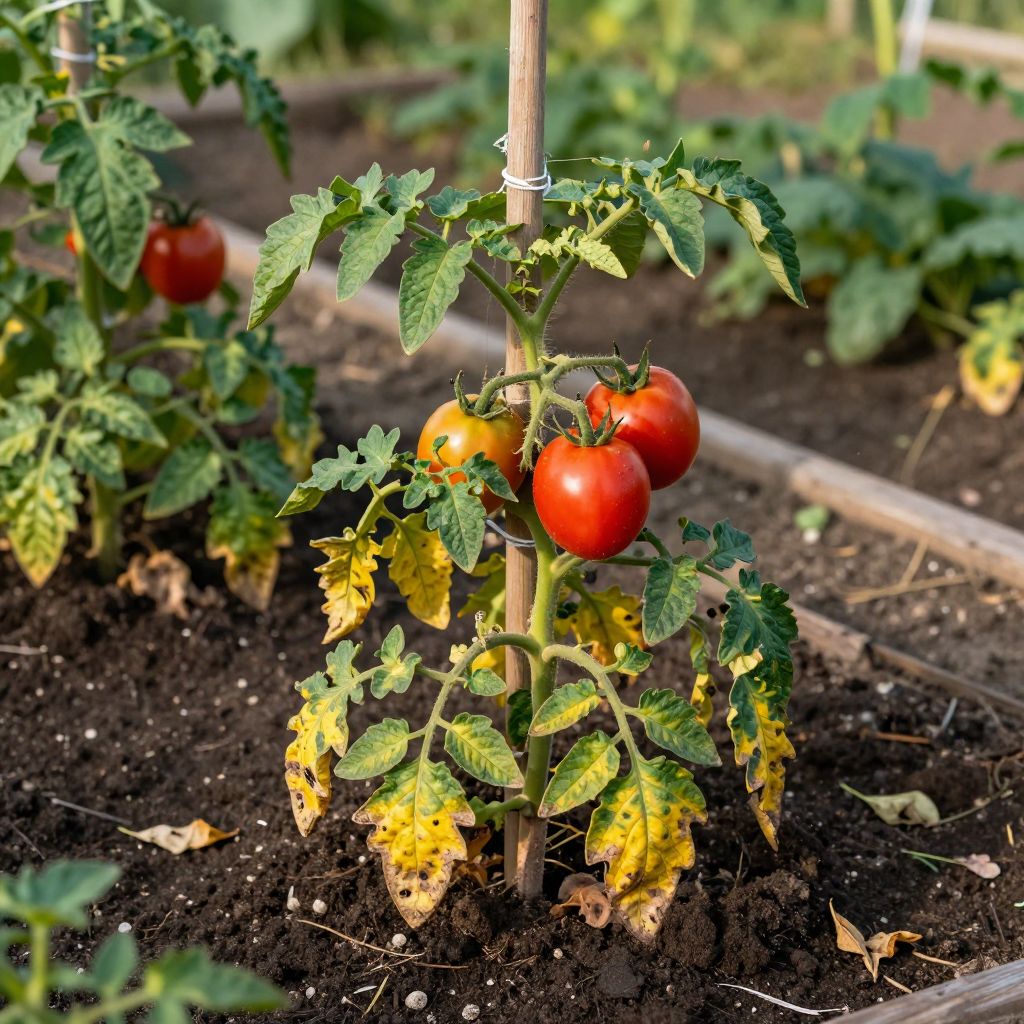
Do tomato plants come back? In most gardens, tomatoes are grown as annuals, so the answer is usually no—they die after frost or when the season ends. But in warm climates, greenhouses, or indoors, some tomato plants can survive longer and keep producing for a while.
If you want to know whether to save your plants, replant them, or start fresh next season, the answer depends on your climate, the plant’s health, and whether it’s growing outdoors or protected from cold.
Do tomato plants come back?
Tomato plants are tender perennials in their native tropical regions, but in most home gardens they are treated as annuals because frost kills them. In frost-free climates, or with indoor protection, a tomato plant may survive and continue growing, though fruit quality and productivity often decline over time.
Why tomato plants usually don’t return outdoors
Tomatoes are sensitive to cold. Even a light frost can blacken leaves, damage stems, and stop growth quickly.
Once temperatures drop consistently, the plant’s tissues weaken and disease pressure rises. Outdoors, most gardeners remove tomato plants at the end of the season and start new ones the following year.
What “come back” can mean
- Same plant surviving winter: possible only in frost-free or protected conditions.
- Self-seeded plants appearing next year: common in mild climates or compost-rich beds.
- Regrowth from cuttings: possible if you root healthy stems before cold weather.
- New plants from saved seed: the most reliable way to grow tomatoes again each season.
Can tomato plants survive winter?
Yes, but only under the right conditions. Tomato plants can survive winter indoors, in a heated greenhouse, or in very mild climates where frost is rare. Even then, they need enough light, warmth, and airflow to stay healthy.
Without those conditions, they usually become leggy, weak, and more prone to pests such as whiteflies, aphids, and spider mites.
Best conditions for overwintering tomatoes
- Temperatures kept above freezing, ideally in the 60s to 70s °F during active growth
- Bright light for several hours a day
- Good air circulation
- Well-drained potting mix or soil
- Regular monitoring for pests and disease
How to keep tomato plants alive longer
If your season is ending but the plant is still healthy, you can try extending its life. This works best with container-grown tomatoes or compact plants that are easy to move.
- Inspect the plant first. Choose a tomato with healthy stems, green leaves, and no serious disease.
- Prune lightly. Remove dead, yellowing, or diseased foliage and any weak growth.
- Check the roots. If the plant is in a container, make sure the pot drains well and the roots are not waterlogged.
- Move it before frost. Bring containers indoors or into a greenhouse before cold nights arrive.
- Give strong light. A bright south-facing window may help, but grow lights are often better indoors.
- Water carefully. Keep the mix evenly moist, not soggy, since slower winter growth uses less water.
When overwintering is worth trying
It makes the most sense if you have a favorite variety, a healthy plant, or a greenhouse space. If the plant is already stressed, diseased, or heavily infested with pests, starting fresh is usually easier and more productive.
How to overwinter tomato plants indoors
Indoor overwintering is possible, but tomatoes need more light than many houseplants. A sunny window may not be enough in short winter days, especially in northern climates.
Use a grow light if possible, and keep the plant away from cold drafts and heating vents. Rotate the pot every few days so the plant grows evenly toward the light.
Indoor care tips
- Remove flowers and small fruit if the plant is struggling.
- Prune to a manageable size so it fits indoors.
- Watch for fungus gnats, aphids, and spider mites.
- Water only when the top layer of soil begins to dry.
- Use a pot with drainage holes to prevent root rot.
Important: indoor tomatoes often survive, but they may not produce well until spring returns and light levels improve.
Will tomato plants grow back from the roots?
Usually no, not in the way some perennial plants do. Outdoor tomato plants are not reliably root-hardy in cold weather, so the roots typically die when frost reaches the plant.
In warm, frost-free conditions, the same root system can keep growing. But in most gardens, the plant is replaced each year rather than regrowing from the same roots.
Can you regrow tomatoes from cuttings?
Yes. Tomato stems root very easily, which makes cuttings a useful way to save a favorite plant or clone a healthy one before frost.
Simple cutting method
- Cut a healthy 4- to 6-inch stem from a non-flowering side shoot.
- Remove the lower leaves.
- Place the cutting in water or moist potting mix.
- Keep it warm and in bright, indirect light.
- Transplant after roots form and new growth appears.
This is a practical backup if you want to preserve a plant, but it is still usually easier to grow new tomatoes from seed or seedlings each season.
What to do at the end of tomato season
When frost is coming and the plant is no longer worth saving, clean up the garden properly. This helps reduce disease and pest problems next year.
- Remove plants that are frost-damaged or diseased.
- Do not compost plants with blight, wilt, or heavy pest infestations unless your compost system gets hot enough to break them down safely.
- Clear fallen leaves and fruit from the bed.
- Refresh the soil with compost if needed, but avoid overloading it with fresh manure or unfinished material.
- Rotate tomatoes to a different bed next season if possible.
Common problems that stop tomatoes from coming back
Frost damage
Cold weather is the biggest reason tomato plants fail. Once temperatures dip near freezing, tissues can collapse quickly.
Disease buildup
Tomatoes are prone to fungal and bacterial problems such as early blight, late blight, and leaf spot. A plant that looked fine in summer may decline fast as humidity rises and nights cool.
Poor light indoors
Without enough light, plants stretch, weaken, and drop leaves. If you are trying to keep a tomato alive indoors, light is often the limiting factor.
Root stress
Containers that stay too wet or too dry can shorten a plant’s life. Tomatoes need even moisture and excellent drainage.
How to help tomatoes return next year
If your goal is to have tomatoes again each season, the most reliable approach is to plan for replanting rather than expecting the same plant to survive.
- Start seeds indoors according to your local climate and last frost date.
- Choose disease-resistant varieties when available.
- Plant in full sun with rich, well-drained soil.
- Add compost to improve soil structure and fertility.
- Mulch after the soil warms to help hold moisture and reduce splashing.
- Water at the base of the plant to keep foliage drier.
Tomatoes perform best in a sunny site with at least 6 to 8 hours of direct light, though hotter climates may benefit from a little afternoon relief. Good drainage matters just as much as sunlight.
Bottom line
So, do tomato plants come back? Usually not outdoors after frost, but they can survive longer in warm, protected conditions or indoors. If you want dependable tomatoes every year, treat them as annuals, save cuttings if you like, and replant with healthy new seedlings each season.
If you want to keep improving your tomato harvest, it also helps to read more about tomato soil preparation, pruning, and container growing before your next planting season.