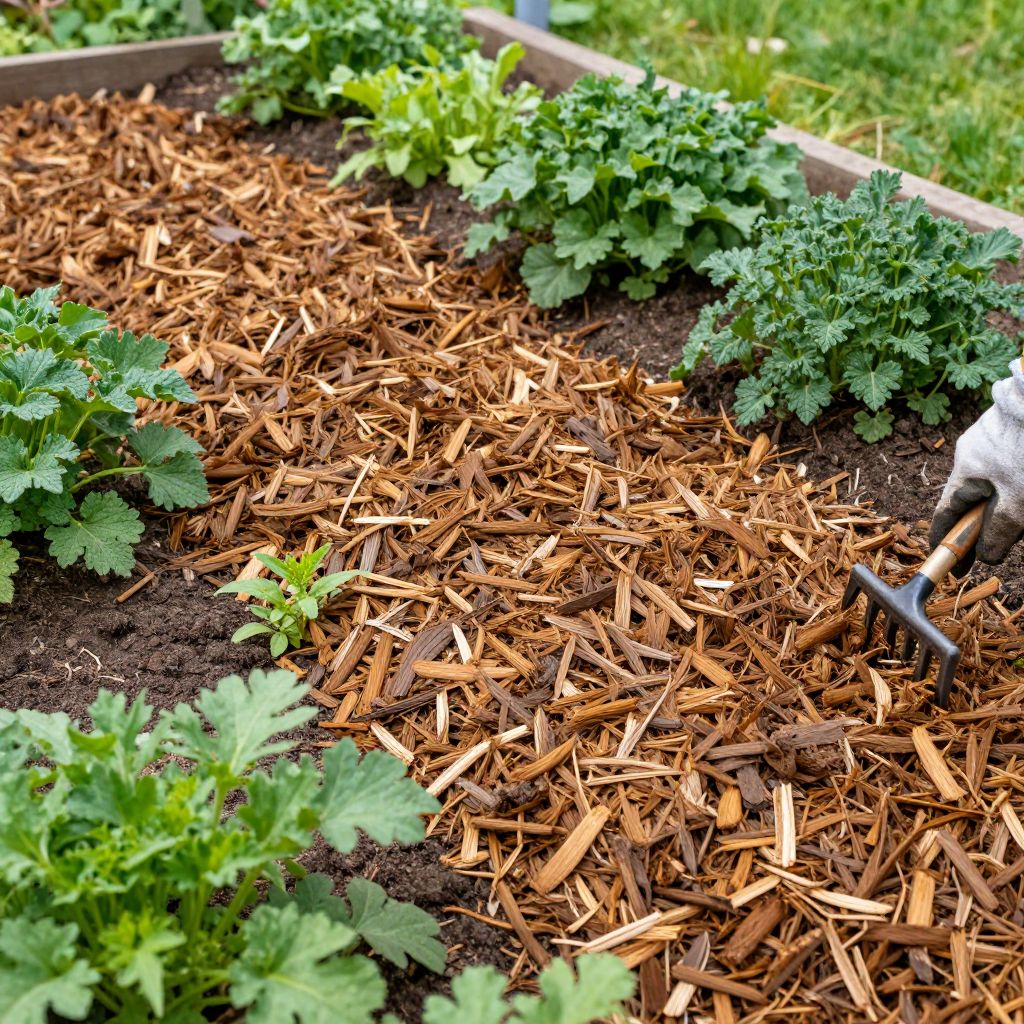
Does mulch prevent weeds? Yes—mulch is one of the most effective low-maintenance ways to reduce weed growth in beds, borders, and around shrubs and trees. It works by blocking light, making it harder for weed seeds to sprout, and by helping soil stay evenly moist so desirable plants grow more strongly.
That said, mulch is not a permanent weed cure. For the best results, you need the right mulch depth, a weed-free starting bed, and regular touch-ups. Used well, mulch can cut down weeding time dramatically and improve the look and health of your garden.
Does mulch prevent weeds?
Mulch helps prevent weeds by shading the soil surface, reducing seed germination, and creating a physical barrier that makes it harder for seedlings to emerge. It works best when applied to clean soil in a layer about 2 to 4 inches deep, depending on the mulch type and the plantings around it.
How mulch stops weeds
Weed seeds need light, moisture, and contact with soil to germinate. Mulch interrupts that process in several ways.
Light blockage
Many weed seeds sprout only when they receive light. A mulch layer reduces that light exposure, so fewer seeds wake up and grow.
Physical barrier
Even when seeds germinate, a mulch layer can slow or stop seedlings from reaching the surface. Fine-textured mulches usually suppress small weeds better than coarse, chunky ones.
Moisture moderation
Mulch helps soil hold moisture more evenly. That benefits your plants, but it can also reduce the bare, disturbed soil conditions that many weeds love.
Temperature buffering
Mulch can keep soil cooler in hot weather and more stable overall. Stable soil conditions are often better for ornamentals and vegetables than for opportunistic weeds.
What kind of mulch works best for weed control?
The best mulch depends on your planting area, budget, and how often you want to refresh it. Some mulches are better for weed suppression, while others are chosen mainly for appearance or soil improvement.
- Shredded bark or wood chips: Long-lasting and effective in landscape beds, shrubs, and around trees.
- Compost: Good for improving soil and suppressing small weeds, but it breaks down faster and may need topping up more often.
- Straw: Often used in vegetable gardens; useful for seasonal weed control, especially around tomatoes, peppers, and strawberries.
- Leaf mulch: A budget-friendly option that can work well when shredded, though it may blow or mat if applied too thickly.
- Grass clippings: Best used in thin layers and only if they are free of herbicide residue and not applied too heavily.
- Gravel or stone: Can suppress weeds in dry, decorative areas, but it does not improve soil and weeds can still grow in dust and debris that collect on top.
For most home gardens, shredded bark, wood chips, or compost are reliable choices. In vegetable beds, straw or compost often works well because they are easy to move aside when planting and harvesting.
How to use mulch correctly for weed suppression
Mulch works best when you prepare the area first. If you spread it over existing weeds, many of them will keep growing through it.
- Remove existing weeds first. Pull annual weeds and dig out perennial weeds with roots if possible.
- Water the soil if it is very dry. This helps roots settle after weeding and improves soil contact.
- Edge the bed if needed. A clean border helps keep grass and creeping weeds from moving in.
- Spread mulch evenly. Aim for 2 to 4 inches deep in most beds.
- Keep mulch away from stems and trunks. Leave a small gap around plants, especially woody stems and tree trunks.
- Refresh as needed. Replenish mulch when it thins out and weed pressure starts to rise.
How deep should mulch be?
Most gardens do well with 2 to 4 inches of mulch. Fine materials may work well on the lower end of that range, while coarse bark chips may need a little more depth for good coverage.
Do not pile mulch too deeply. Excessively thick mulch can reduce air exchange, hold too much moisture near stems, and create problems for roots and trunks.
Common mulch mistakes that let weeds through
Mulch is helpful, but a few common mistakes can make it much less effective.
- Applying mulch over weeds: Many weeds will push through thin coverage or root into the mulch itself.
- Using too little mulch: A dusting of mulch may look neat, but it rarely blocks enough light to stop weeds.
- Letting mulch touch stems or trunks: This can invite rot, pests, and disease problems.
- Using contaminated mulch: Some mulches contain weed seeds, especially if made from poorly processed organic material.
- Ignoring edges: Weeds often invade from lawn borders, paths, and neighboring beds.
- Not maintaining it: As mulch breaks down, weeds can return more easily.
Does mulch stop all weeds?
No mulch stops every weed. Persistent perennial weeds, such as bindweed, nutsedge, and some grasses, can grow through or around mulch, especially if they were already established before mulching.
Mulch is most effective against small annual weeds and newly germinating seedlings. It is less reliable against weeds with deep roots, spreading rhizomes, or strong underground storage organs.
What to do about stubborn weeds
If you have tough weeds, combine mulch with other control methods:
- Dig out roots before mulching.
- Use a thick layer of cardboard under wood-chip mulch in ornamental beds, then cover it with mulch.
- Hand-pull new growth before it sets seed.
- Keep lawn grass out of beds with a physical edge.
- Spot-treat problem areas by removing the mulch, weeding thoroughly, and replacing the mulch.
Cardboard can be useful in new beds or areas being converted from lawn, but it should not be used where you need frequent digging or replanting. Make sure it is plain, uncoated cardboard without tape or plastic.
Mulch for different garden areas
Flower beds and shrubs
Wood chips, shredded bark, and compost are all practical choices. These areas usually benefit from a mulch layer that looks tidy and lasts through the season.
Vegetable gardens
Straw, shredded leaves, and compost are common options. They help suppress weeds between rows while still allowing you to plant, harvest, and replant as needed.
Around trees
Use a wide mulch ring rather than a tall mound. A broad, flat layer is better than a deep pile around the trunk.
Avoid the “mulch volcano.” Piling mulch against a tree trunk can trap moisture and damage bark.
Paths and borders
Mulch can reduce weeds in pathways, but it may need edging and periodic topping up. For high-traffic paths, consider a more durable surface and use mulch in adjacent planting areas instead.
Seasonal care and maintenance
Weed pressure changes through the year, so mulch maintenance should change with it. In spring, mulch helps suppress the first flush of weeds. In summer, it helps conserve moisture and reduce heat stress. In fall, it can protect soil and keep beds tidy.
Check mulch after heavy rain, strong wind, or repeated foot traffic. If it has thinned, shifted, or broken down, add enough to restore coverage without burying plant crowns.
When to refresh mulch
You may need to top up mulch when you can see bare soil, weeds are appearing more frequently, or the layer has decomposed to less than about 2 inches in many beds. The exact timing depends on the material and your local weather.
Does mulch improve plant growth too?
Yes. Mulch can support healthier plants by reducing weed competition, conserving moisture, and protecting roots from temperature swings. When weeds are suppressed, your plants get better access to water, nutrients, and light.
That said, mulch is not a substitute for good soil preparation. If your soil is compacted, poorly drained, or low in organic matter, mulch will help at the surface but will not fix deeper problems on its own.
Best results come from combining mulch with good garden care
- Improve soil with compost where needed.
- Water deeply when plants need it, rather than relying on mulch alone.
- Choose plants suited to your sunlight and drainage.
- Keep beds weeded before applying mulch.
- Monitor for pests and disease hiding in dense, wet mulch.
Practical troubleshooting
If weeds are still coming through, the problem is usually one of coverage, timing, or weed type.
- Weeds sprouting in the mulch: The mulch may be too thin, or weed seeds may have blown in and rooted in debris on top.
- Weeds coming from below: Perennial weeds may have been present before mulching and need removal at the root.
- Grass creeping in from edges: Improve edging and remove runners regularly.
- Mulch disappearing quickly: Fine organic mulch can break down faster in warm, wet conditions and may need topping up.
- Plants look stressed: Check that mulch is not piled against stems and that water is reaching the root zone.
Conclusion
So, does mulch prevent weeds? Yes, it is one of the simplest and most effective ways to reduce weed pressure in the garden, especially when you start with a clean bed and apply it at the right depth. For the best results, weed first, mulch evenly, and maintain the layer as it breaks down.
If you want to keep improving your garden, it also helps to learn how mulch works with soil health and bed maintenance. You may also enjoy reading about what mulch is and how to use it and how to use compost in the garden.
Leave a Reply