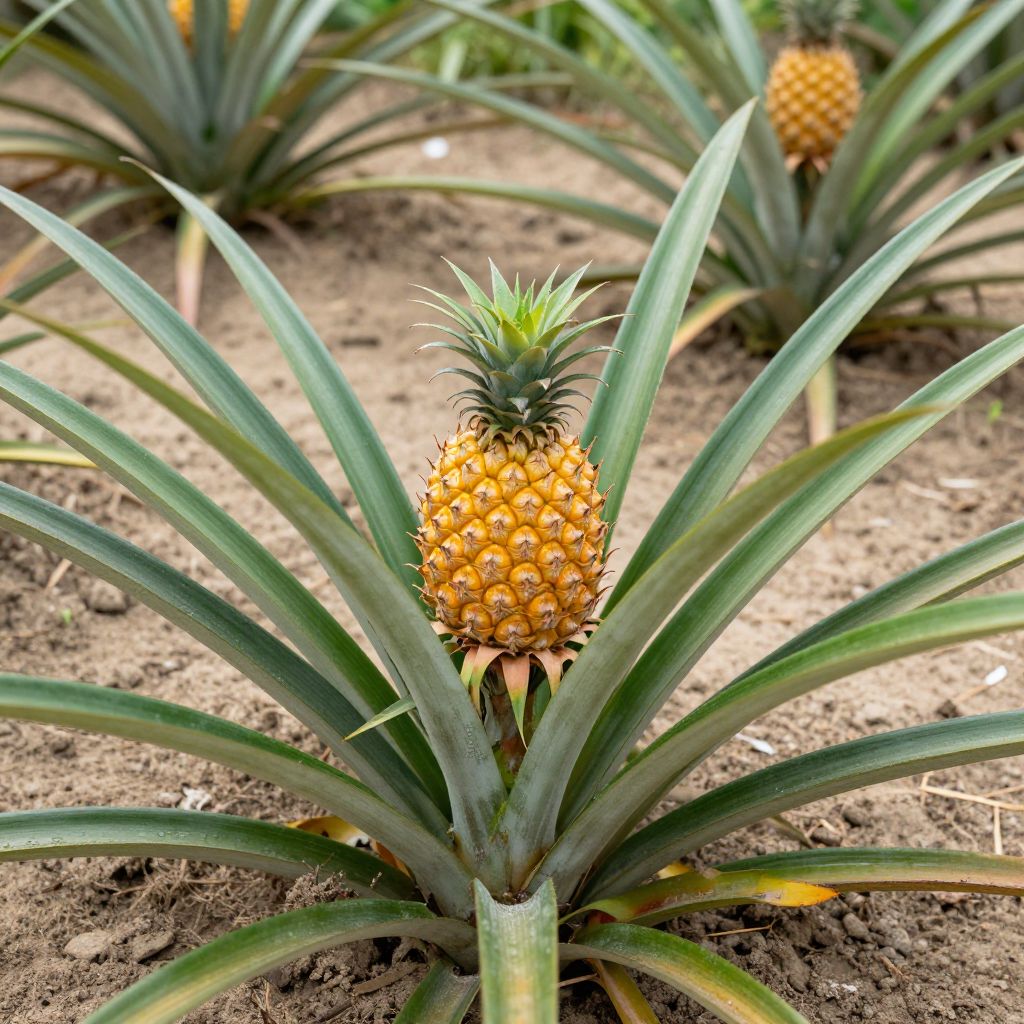
When is pineapple season? If you grow pineapples at home, the answer depends on whether you mean the fruiting period of the plant or the best time to buy ripe fruit. Pineapples can flower and ripen at different times of year depending on climate, plant age, and how they’re grown.
For gardeners, understanding pineapple season helps you plan planting, care, and harvest. With the right warmth, sunlight, and drainage, Ananas comosus can be a rewarding tropical plant to grow in a container, greenhouse, or frost-free garden.
When is pineapple season?
Pineapple season is usually strongest in warm months, but the exact timing varies by region and growing method. In tropical areas, pineapples may be harvested year-round, while in cooler or greenhouse-grown settings fruit often ripens in late spring through summer after the plant has matured for 18 to 24 months.
How pineapple growth affects harvest timing
Pineapples do not follow a quick seasonal cycle like many annual vegetables. A plant needs time to build enough leaf growth before it can flower and set fruit.
Typical growth stages
- Establishment: The crown or offset roots and settles in.
- Vegetative growth: The plant produces a rosette of stiff leaves.
- Flowering: A central flower spike emerges when the plant is mature.
- Fruit development: The pineapple enlarges and sweetens over several months.
In warm, steady conditions, many homegrown pineapples take about 1.5 to 2 years to fruit, sometimes longer. Cooler temperatures, low light, or poor drainage can slow that timeline.
Best season to plant pineapple
The best planting season is when temperatures are consistently warm and frost risk is gone. In tropical and subtropical climates, you can plant most of the year if rainfall and heat are manageable. In cooler climates, start pineapples indoors or in a greenhouse during spring and move them outside only when nights stay warm.
What pineapple plants need at planting time
- Warmth: Pineapples grow best in warm conditions and dislike cold soil.
- Bright light: Full sun is ideal outdoors; very bright light is needed indoors.
- Fast drainage: Soggy soil quickly causes root problems.
- Room to grow: A single plant can spread several feet wide over time.
If you are planting a store-bought crown, let the cut base dry for a day or two before potting to reduce rot risk. Use a free-draining mix rather than heavy garden soil.
How to grow pineapple successfully
Soil and container mix
Pineapples prefer a loose, well-draining medium. A cactus or bromeliad-style potting mix works well, or you can blend standard potting mix with extra coarse material such as perlite or bark to improve drainage.
In the ground, only plant pineapples where the soil drains quickly. If your soil stays wet after rain, grow in a raised bed or container instead.
Sunlight and temperature
Give pineapples as much direct sun as you can, especially outdoors. Indoors, place them in the brightest window available or under strong grow lights.
They prefer warmth and can be damaged by cold. If temperatures drop, growth slows and fruiting may be delayed. Protect plants from frost and cold winds.
Watering
Water thoroughly, then allow the mix to dry slightly before watering again. Pineapples tolerate brief dry periods better than constant wetness.
Overwatering is one of the most common mistakes. If the pot feels heavy for days or the base looks soft, reduce watering and check drainage immediately.
Feeding
Pineapples are not heavy feeders, but they do benefit from occasional balanced feeding during active growth. Use a gentle, well-balanced fertilizer according to the product label, and avoid overfeeding, which can lead to lush leaves and poor fruiting.
Compost can help in garden soil if it is well finished and used sparingly. In containers, a quality potting mix usually matters more than extra compost.
How to tell when a pineapple is ready to harvest
A pineapple is usually ready when the fruit has developed full size, a strong pineapple aroma, and some yellowing from the base upward. It should feel slightly softer and more fragrant, but not mushy.
Harvest indicators to watch for
- The fruit has reached typical mature size for the plant.
- The lower portion begins turning from green to golden yellow.
- The fruit smells sweet and ripe near the base.
- The “eyes” look plump and well formed.
Do not wait for a pineapple to ripen like a banana after harvest. Pineapples can soften a little off the plant, but they do not become much sweeter once picked. For the best flavor, harvest when the fruit is clearly mature.
Common problems that delay pineapple season
Too little light
Low light is a major reason pineapples stay leafy for too long. If the plant is indoors, move it to a brighter location or supplement with grow lights.
Poor drainage
Wet roots slow growth and can cause rot. Use pots with drainage holes and never let the plant sit in standing water.
Cold stress
Cool nights can stall growth and reduce flowering. If your climate has chilly springs or autumns, keep plants protected and avoid planting too early outdoors.
Patience with immature plants
Sometimes the plant is healthy but simply not old enough to fruit. A pineapple needs maturity before it can flower, so steady care is more important than frequent changes.
How to encourage flowering
In home gardens, pineapples often flower naturally once mature, but you can improve the odds by keeping the plant healthy and stress-free. Strong light, warm temperatures, and consistent moisture management all support flowering.
Do not try to force flowering on a weak plant. First correct light, drainage, and nutrition, then wait for the plant to reach maturity.
Good habits that support blooming
- Keep the plant in strong light.
- Avoid waterlogged soil.
- Maintain warm conditions.
- Remove dead or damaged leaves as needed.
- Repot only when necessary, since frequent disturbance can slow growth.
Propagation and replanting after harvest
After harvest, you can often propagate pineapples from the crown, slips, or suckers produced by the parent plant. These offsets are a practical way to keep your planting going without buying new plants.
Propagation tips
- Choose a healthy crown or offset from a mature plant.
- Trim away excess fruit flesh if using a crown.
- Let the base dry briefly before planting.
- Set it in a free-draining mix.
- Keep it warm and lightly moist until roots form.
Offsets are often faster to establish than crowns because they are already partially mature. If you want a better chance of earlier fruiting, use a strong offset from a healthy plant.
Can you grow pineapple outside of tropical climates?
Yes, but usually in containers or protected spaces. In colder regions, pineapples are best treated as tender tropical plants that spend warm months outdoors and cool months indoors or in a greenhouse.
Container growing gives you control over temperature and drainage. It also makes it easier to move the plant when nights turn chilly.
Container growing basics
- Use a pot with drainage holes.
- Choose a wide container rather than a very deep one.
- Place it in the sunniest spot available.
- Rotate the pot occasionally for even growth.
- Bring it indoors before cold weather arrives.
Pests and diseases to watch for
Pineapples are fairly tough, but they can still suffer from common container and tropical plant problems. Watch for mealybugs, scale, and root rot, especially if the plant is crowded or overwatered.
Simple prevention
- Inspect leaf bases and undersides regularly.
- Keep the plant clean and free of decaying debris.
- Do not overwater.
- Isolate new plants before placing them near established ones.
If pests appear, deal with them early. Small infestations are much easier to manage than a full plant covered in insects.
Seasonal care calendar for home gardeners
Spring
This is a good time to start new plants, repot if needed, and increase light as the days lengthen. In mild climates, you can move container plants outdoors once frost risk is over.
Summer
Growth is usually strongest in warm weather. Water carefully, monitor for pests, and give the plant plenty of sun.
Autumn
As temperatures cool, growth slows. Bring container plants indoors before nights become too cold.
Winter
Keep indoor plants in bright light and reduce watering as growth slows. Avoid placing them near cold windows or heating vents.
Conclusion
When is pineapple season? For gardeners, it is the warm, bright period when the plant is healthy enough to flower and the fruit has fully matured, often late spring through summer in many growing situations. If you want a better harvest, focus on warmth, drainage, and light, then watch for color, fragrance, and size before picking.
If you want to keep improving your tropical fruit setup, consider reading more about container fruit growing and how to care for bromeliads indoors.