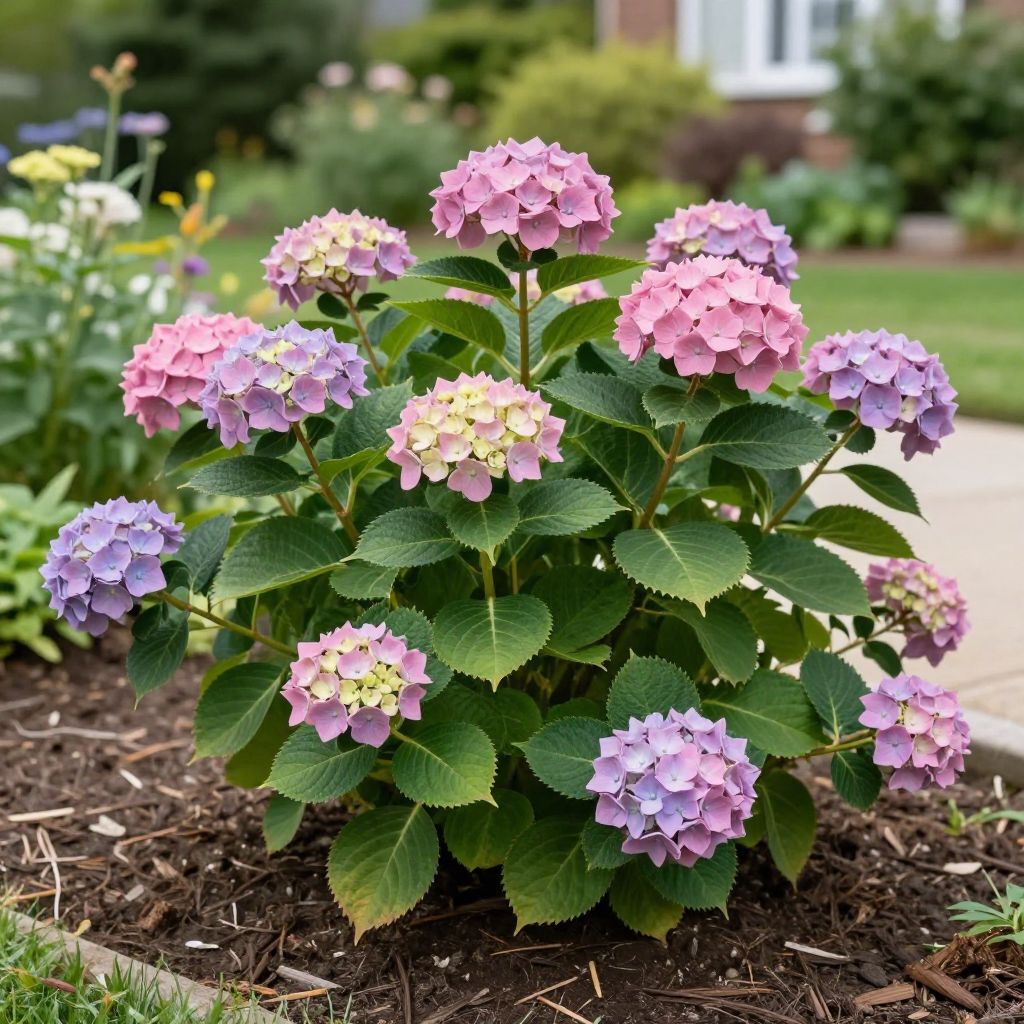
If you’re wondering how to grow Let’S Dance Can Do hydrangea successfully, the good news is that it’s a manageable shrub when you give it the right light, moisture, and soil. This hydrangea is grown for its colorful blooms and compact habit, making it useful in borders, foundation plantings, and mixed shrub beds.
The main job is to keep the roots evenly moist, protect the plant from harsh afternoon sun, and avoid pruning at the wrong time. Once you understand how this hydrangea flowers, the rest of the care becomes much easier.
What is Let’S Dance Can Do hydrangea?
Let’S Dance Can Do hydrangea is a reblooming bigleaf hydrangea, Hydrangea macrophylla, selected for repeat flowering on both old and new wood. That means it can bloom more than once in a season if growing conditions are favorable, but it still needs steady moisture, protection from heat, and careful pruning to keep flower buds intact.
How do you grow Let’S Dance Can Do hydrangea successfully?
Grow it in rich, well-drained soil with consistent moisture, morning sun and afternoon shade, and enough space for air circulation. The most important care points are to avoid drought stress, mulch the root zone, and prune lightly so you do not remove the buds that produce flowers.
Best planting conditions
Light
Let’S Dance Can Do hydrangea usually performs best with morning sun and afternoon shade. In cooler climates, it can take more sun, but in hot regions too much direct afternoon light can scorch leaves and reduce bloom quality.
If you only have a brighter site, watch the plant closely during its first season. Wilting in the afternoon, leaf scorch, or faded flowers are signs that it may need more shade or better soil moisture.
Soil
This hydrangea prefers soil that holds moisture without staying soggy. A loamy soil enriched with compost is ideal, especially if your native soil is sandy or heavy clay.
- Work in 2 to 3 inches of compost before planting if the soil is poor.
- Avoid planting in low spots where water collects after rain.
- If your soil is dense clay, improve drainage with organic matter rather than gravel in the planting hole.
pH and flower color
Like many bigleaf hydrangeas, flower color may shift with soil pH and aluminum availability. In acidic soil, blooms often lean bluer; in more alkaline soil, they tend toward pinker tones. Not every cultivar changes dramatically, so treat color as variable rather than guaranteed.
If you want to adjust color, do so gradually and test your soil first. Sudden changes can stress the plant more than they help.
How to plant Let’S Dance Can Do hydrangea
Plant in spring or early fall when temperatures are moderate and the shrub can establish roots without extreme heat. In colder climates, spring planting is usually safest because the plant has a full season to settle in before winter.
- Choose a site with morning sun and afternoon shade.
- Dig a hole as deep as the root ball and about 2 times as wide.
- Loosen circling roots gently if the plant is pot-bound.
- Set the crown level with the surrounding soil, not deeper.
- Backfill with native soil amended lightly with compost if needed.
- Water thoroughly to settle the soil.
- Mulch with 2 to 3 inches of shredded bark or leaf mold, keeping mulch a few inches away from the stems.
Do not bury the crown too deeply. Planting too low can lead to stem rot and weak growth, especially in wet soils.
Watering and mulch
Hydrangeas are among the shrubs most likely to struggle when the soil dries out. Let’S Dance Can Do hydrangea should be watered deeply whenever the top layer of soil starts to dry, especially during establishment, hot spells, and flowering periods.
How to water correctly
- Water at the base of the plant rather than overhead when possible.
- Soak the root zone deeply instead of giving frequent light sprinkles.
- Check soil with your finger before watering; the top inch may dry out faster than the roots below.
- During heat waves, newly planted shrubs may need closer attention than established plants.
Mulch is one of the best tools for this hydrangea. It helps hold soil moisture, moderates temperature, and reduces competition from weeds. Keep mulch from touching the stems directly so moisture does not collect against the bark.
Feeding the plant without overdoing it
Moderate feeding is usually enough. Too much nitrogen can push leafy growth at the expense of flowers, so avoid heavy lawn fertilizer near the shrub.
In many gardens, a spring top-dressing of compost is enough to support healthy growth. If your soil is poor, a balanced shrub fertilizer can help, but follow the product directions and local soil conditions rather than using a fixed universal rate.
Signs you may be overfeeding include soft, floppy growth, fewer flowers, and a lush plant that seems healthy but does not bloom well.
Pruning Let’S Dance Can Do hydrangea
Pruning is where many gardeners make mistakes with reblooming hydrangeas. This plant can bloom on old wood and new wood, so heavy pruning at the wrong time can remove flower buds.
What to remove
- Dead, damaged, or crossing stems in late winter or early spring.
- Spent flower heads if you want a tidier look.
- Weak stems that clutter the center of the shrub.
What to avoid
- Do not shear it into a tight ball.
- Do not cut all stems back hard unless you are willing to sacrifice blooms that season.
- Do not prune late in the season if buds are already forming for the next flush.
If your shrub becomes overgrown, rejuvenation should be gradual. Remove a few of the oldest stems at the base over several seasons rather than cutting everything back at once.
Seasonal care through the year
Spring
Check for winter damage, remove dead wood, and refresh mulch. This is also a good time to assess whether the plant needs more moisture or a slight soil improvement.
Summer
Keep the root zone evenly moist, especially when temperatures rise. If blooms fade quickly, the plant may be getting too much sun or too little water.
Fall
Let the shrub harden off naturally. Avoid late heavy pruning and avoid pushing soft new growth with late-season fertilizer.
Winter
In colder regions, protect the root zone with mulch after the ground cools. If your area gets severe winter winds or freeze-thaw cycles, a sheltered site can help preserve buds on older stems.
Common problems and how to fix them
No blooms
This is often caused by pruning at the wrong time, winter bud damage, too much shade, or a late frost. If the plant leafs out well but does not flower, review pruning timing first.
Wilting
Wilting can mean heat stress, dry soil, or root problems. Check the soil before adding water, because soggy roots can also cause wilting even when the plant looks thirsty.
Brown leaf edges
Leaf scorch often points to hot sun, dry wind, or inconsistent watering. Move potted plants if possible, or improve the site with more afternoon shade and mulch.
Yellowing leaves
Yellow leaves may signal poor drainage, nutrient imbalance, or naturally aging foliage. If the soil stays wet for long periods, drainage is the first issue to address.
Pests
Common hydrangea pests can include aphids, spider mites, and leaf beetles, depending on your region. Most problems are minor and can be managed by checking plants regularly, rinsing pests off with water, and maintaining healthy growing conditions.
Diseases
Powdery mildew, leaf spot, and stem dieback can appear in humid or crowded plantings. Good spacing, morning sun, and watering at the base help reduce disease pressure.
Can you grow Let’S Dance Can Do hydrangea in a container?
Yes, if the container is large enough and you stay on top of watering. A pot should have excellent drainage and enough volume to buffer heat and moisture swings, since container hydrangeas dry out much faster than in-ground plants.
- Use a roomy pot with drainage holes.
- Choose a high-quality potting mix that drains well but still holds moisture.
- Water more often than you would for a planted shrub, especially in warm weather.
- Move the container to protect it from hot afternoon sun if needed.
Container plants may also need more winter protection in cold climates because roots are more exposed than in the ground.
Propagation and replacement planting
If you want more plants, hydrangeas are often propagated from softwood or semi-ripe cuttings, though success depends on timing and skill. For most home gardeners, buying a healthy nursery plant is the simplest and most reliable option.
When replacing an older shrub, remove as much of the old root mass as practical and replant in improved soil. Give the new plant a season of steady care before expecting heavy bloom.
Design ideas for the landscape
Let’S Dance Can Do hydrangea works well where you want a medium-sized flowering shrub with a long bloom season. It pairs nicely with shade-tolerant perennials, ornamental grasses in brighter sites, and other shrubs that enjoy similar moisture.
Use it as a focal point near a patio, in a mixed border, or along a foundation where the soil drains well and the plant gets filtered light. Leave enough room for air movement so foliage dries faster after rain.
Quick care checklist
- Plant in morning sun and afternoon shade when possible.
- Use rich, well-drained soil with compost.
- Keep the root zone evenly moist, not soggy.
- Mulch 2 to 3 inches deep, away from stems.
- Prune lightly and avoid cutting away flower buds.
- Watch for heat stress, drought, and poor drainage.
With the right site and steady care, Let’S Dance Can Do hydrangea can be a dependable, attractive shrub that rewards you with repeat blooms. Start by checking your light and soil drainage, then mulch and water consistently through the growing season.
For more practical shrub care, you may also want to read about hydrangea pruning and shrubs for part shade.