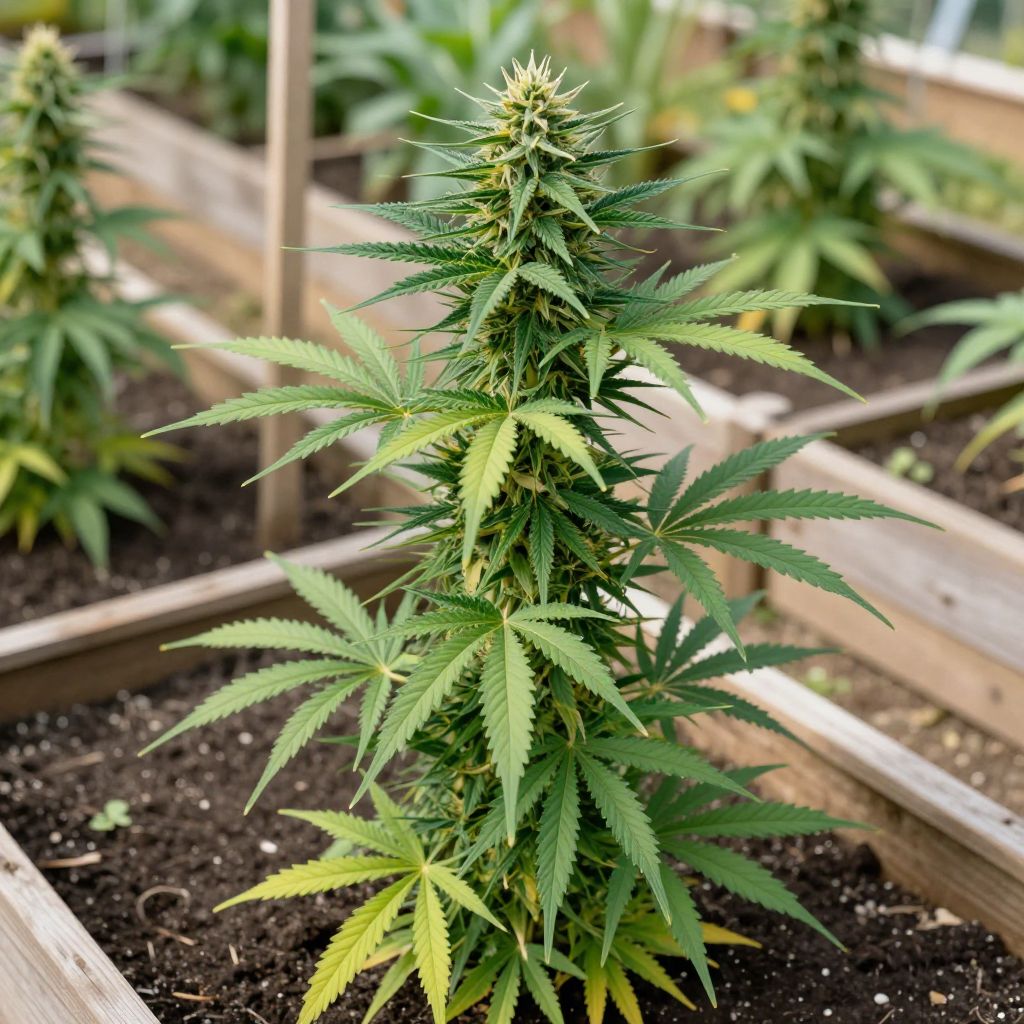
What does a sativa plant look like? If you’re trying to identify one in a garden or growing space, the answer is usually found in the leaves, height, branching pattern, and overall shape. Sativa-type plants tend to look tall, airy, and narrow compared with shorter, bushier plant forms.
Knowing these visual traits helps you recognize a plant early, choose the right growing conditions, and avoid common care mistakes. Whether you’re growing indoors or outdoors, plant structure tells you a lot about light needs, spacing, airflow, and maintenance.
What does a sativa plant look like?
A sativa plant usually has tall, slender growth, long narrow leaves, and wide spacing between branches. It often looks airy rather than dense, with a more open canopy and a longer flowering period than compact plant types. In the garden, it typically needs more vertical room, strong light, and good air movement.
Key visual traits of a sativa plant
When you’re identifying a sativa plant, look at the whole structure, not just one feature. A single trait can be misleading, but several together usually give you a reliable picture.
1. Tall, stretched growth habit
Sativa plants often grow upright and can become noticeably taller than broad, compact types. They may “stretch” more between nodes, creating a lankier appearance.
2. Narrow leaves
The leaves are often long and thin, with slimmer leaflets than you’d see on broader-leaved plants. This is one of the easiest visual clues for identification.
3. More space between branches
Branches and leaf nodes are often spaced farther apart, giving the plant a lighter, more open look. This can make the plant seem less dense, especially in good light.
4. Airier canopy
Instead of forming a tight mound, a sativa plant usually has a looser canopy. That open structure can improve airflow, but it also means the plant may need support as it grows.
5. Longer flowering period
In flowering stages, sativa-type plants often take longer to mature than compact types. The buds or flower clusters may appear more elongated and less chunky.
How to identify a sativa plant in the garden
If you’re unsure what you’re looking at, use a simple step-by-step check. This is especially helpful when plants are young and not yet fully developed.
- Check the leaf shape. Look for long, narrow leaflets rather than broad ones.
- Observe the height. Sativa plants usually grow taller and more upright.
- Inspect the internodes. Wider spacing between leaves and branches is a common sign.
- Look at the canopy. An open, airy top is more typical than a dense, compact one.
- Watch growth over time. Sativa plants often keep stretching as they mature.
Important: Plant appearance can vary with light, nutrition, pruning, and environment. A stressed plant may look different from a healthy one of the same type, so use several traits together before making a judgment.
Growing conditions that suit sativa-type plants
Because sativa plants often grow tall and open, they usually do best where they have room to expand and plenty of light. Matching the growing space to the plant’s natural shape is one of the most important parts of success.
Light
Strong light is essential for healthy growth. Outdoors, choose a sunny location with minimal shade. Indoors, position the plant where light reaches the full canopy, not just the top.
Space
Give the plant enough vertical and horizontal room. Crowding can reduce airflow, increase disease pressure, and force the plant to stretch even more in search of light.
Air movement
The open structure of a sativa plant benefits from steady airflow. Good circulation helps leaves dry faster after watering or rain and lowers the risk of fungal problems.
Soil and drainage
Use soil that drains well but still holds some moisture. Heavy, waterlogged soil can stress roots, while very fast-draining media may dry out too quickly in warm conditions.
- Loosen compacted soil before planting.
- Blend in compost to improve structure.
- Avoid soggy areas where water collects after rain.
Watering and feeding a sativa plant
Sativa plants do not need a fixed watering schedule because climate, container size, soil type, and plant age all matter. Instead, water based on soil moisture and plant response.
Watering tips
- Water deeply, then let the upper layer of soil dry slightly before watering again.
- Check containers more often in hot, windy weather.
- Reduce watering when growth slows or temperatures cool.
Overwatering is a common mistake. If the soil stays wet for too long, roots can struggle, and the plant may look droopy even though it has plenty of water.
Feeding tips
Healthy soil with compost often supports good growth. If you use fertilizer, follow the product label and adjust for your soil, container, and plant stage rather than applying a one-size-fits-all amount.
Tip: Excess nitrogen can encourage very leafy growth and make an already tall plant even more unruly. Balanced nutrition and good light usually produce a sturdier plant shape.
Pruning, training, and support
Because sativa plants can grow tall and flexible, they often benefit from light training and support. The goal is to manage height, improve light penetration, and keep branches from flopping.
Pruning
Remove damaged, crowded, or weak growth as needed. Avoid over-pruning, especially on young plants, because too much removal can slow development and stress the plant.
Training
- Use gentle tying or staking to guide upright stems.
- Spread branches slightly to open the canopy.
- Make changes gradually so stems do not snap.
Support
Tall plants may need stakes, cages, or soft ties, especially in windy sites or when flower clusters become heavy. Support early rather than waiting until stems bend.
Common pests and diseases to watch for
The airy shape of a sativa plant can help airflow, but it does not make the plant immune to pests or disease. Regular inspection is still important.
Common pest issues
- Aphids on tender new growth
- Spider mites in hot, dry conditions
- Whiteflies on stressed plants
- Caterpillars or chewing insects outdoors
Common disease issues
- Powdery mildew when airflow is poor
- Root problems in wet, compacted soil
- Leaf spotting after prolonged wet foliage
To reduce problems, inspect the undersides of leaves, remove badly damaged material, and keep the growing area clean. Water at the base when possible, and avoid leaving foliage wet overnight.
Propagation and early growth
Young plants may not show their full sativa traits right away. Seedlings and cuttings often look more compact at first, then become taller and narrower as they mature.
What to expect in early stages
In the seedling stage, leaf shape and growth speed can help, but final form may still change. If you are propagating from cuttings, keep humidity moderate and light consistent so new growth develops evenly.
Signs of healthy early growth
- Steady upward growth
- Even leaf color
- Strong stems that are not thin and weak
- New leaves forming at regular intervals
How sativa plants differ from compact plant types
Gardeners often compare sativa plants with shorter, denser plant forms because the difference affects spacing and care. A sativa plant usually needs more vertical room, more attention to support, and more planning for airflow.
- Sativa: taller, narrower leaves, looser structure, longer flowering
- Compact types: shorter, broader leaves, denser growth, tighter branching
These differences matter most when planning an indoor space, greenhouse, or crowded garden bed. A plant that looks manageable early on may outgrow its space quickly if it has a sativa-like habit.
Common mistakes when identifying or growing a sativa plant
Many gardeners misread plant shape because they focus on one trait too early. A plant can also change appearance if it is stressed, shaded, or overfed.
- Using leaf shape alone without checking height and branching
- Overcrowding tall plants in a small space
- Overwatering in dense or poorly draining soil
- Ignoring support until stems begin to bend
- Letting shade stretch the plant instead of improving light
Conclusion: what to do next
If you want to identify what a sativa plant looks like, start by checking the leaf shape, height, branch spacing, and overall canopy structure. Then match your care to that growth habit by giving the plant enough light, space, drainage, and support.
For more practical plant care guidance, you may also find it helpful to read about how to improve garden soil drainage and pruning techniques for tall garden plants.