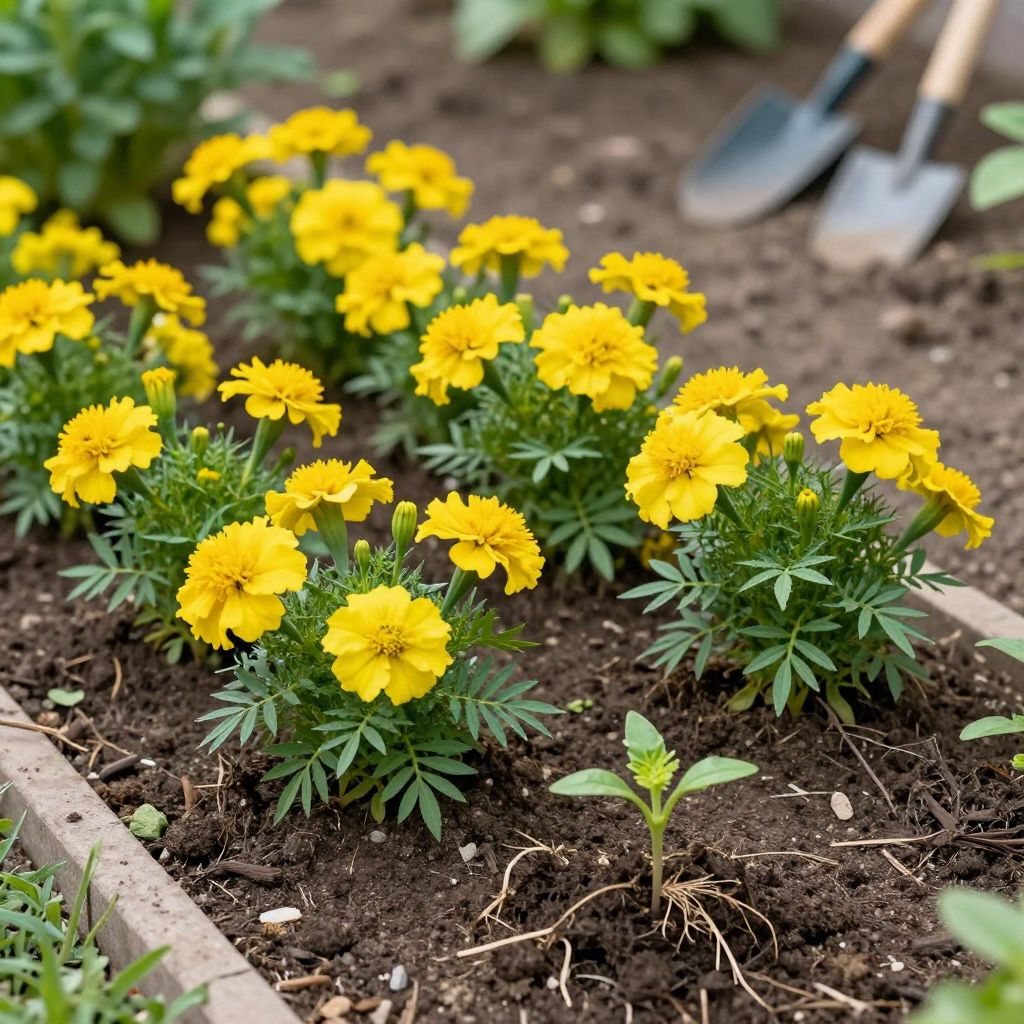
If you’ve ever seen a plant labeled “annual” and wondered what that really means, you’re not alone. The term is simple, but it affects how you plant, care for, and replace that plant through the season.
In gardening, an annual plant completes its entire life cycle in one growing season: it germinates, grows, flowers, sets seed, and dies. Knowing this helps you choose the right plants, time your planting, and avoid expecting them to return next year like perennials.
What does annual plant mean?
An annual plant is one that grows from seed, matures, blooms, produces seed, and dies within a single year or growing season. Some annuals finish in just a few months, while others last longer in mild climates, but they still complete their life cycle in one season and do not regrow from the same root the next year.
How to identify an annual plant
Annuals are identified less by appearance and more by their growth habit and lifespan. If a plant is bred or known to flower heavily, set seed quickly, and then decline after frost or heat, it is likely annual.
Common clues
- Short life cycle: It grows fast and flowers within weeks or months.
- Seasonal performance: It often looks best for one season, then fades.
- Seed production: After flowering, it may form seed and then die.
- Frost sensitivity: Many annuals are killed by cold weather.
Examples of annual plants
Many popular bedding and vegetable plants are annuals, including marigolds, zinnias, petunias, cosmos, basil, beans, cucumbers, lettuce, and radishes. Some of these are true annuals, while others are grown as annuals in colder climates even if they can live longer in frost-free regions.
Annuals vs. perennials vs. biennials
Understanding the difference helps you plan your garden more accurately. Annuals finish in one season, perennials return for several years, and biennials take two years to complete their life cycle.
- Annual: Seed to flower to seed in one season.
- Perennial: Lives for multiple years and usually returns each season.
- Biennial: Grows leaves the first year, flowers and seeds the second year, then dies.
Some plants can behave differently depending on climate. For example, tender plants may be perennial in warm regions but treated as annuals where winter frost kills them.
Why annual plants are useful in the garden
Annuals are valuable because they give you quick color, fast harvests, and flexibility. They are especially useful when you want to fill gaps in beds, test a new design, or grow crops that produce quickly.
Benefits of annuals
- Fast results in one season
- Long bloom periods for color
- Useful for succession planting in vegetable gardens
- Easy to change from year to year
- Good for containers, borders, and temporary displays
How to grow annual plants successfully
Annuals usually reward good timing, steady moisture, and healthy soil more than complicated feeding. Start by matching the plant to your local climate, then give it the light, drainage, and spacing it needs to grow quickly.
1. Choose the right location
Read the plant label or seed packet carefully. Some annuals need full sun, while others prefer part shade, especially in hot climates.
- Full sun annuals: Usually need at least 6 hours of direct sun daily.
- Part shade annuals: Do better with morning sun and afternoon shade in warm regions.
- Cool-season annuals: Grow best in mild weather and may struggle in summer heat.
2. Prepare the soil
Most annuals grow best in loose, well-drained soil enriched with compost. Compost improves structure, helps hold moisture, and supports steady growth without making the soil soggy.
- Work in 2 to 3 inches of compost before planting.
- Break up compacted soil so roots can spread.
- Avoid heavy, waterlogged beds unless you improve drainage first.
3. Water correctly
Annuals need consistent moisture while they establish, but they do not like sitting in wet soil. Water deeply when the top inch or two of soil feels dry, then let the surface dry slightly before watering again.
Container-grown annuals usually dry out faster than plants in the ground, so pots may need more frequent checking, especially in warm or windy weather.
4. Feed lightly and appropriately
Many annuals grow and bloom quickly, so they may benefit from compost or a balanced fertilizer, but more is not always better. Too much nitrogen can produce lush leaves with fewer flowers.
- Use compost as a steady, gentle soil amendment.
- Follow the product label if you use fertilizer.
- For flowering annuals, avoid overfeeding with high-nitrogen products.
5. Space plants properly
Good spacing improves air circulation, reduces disease, and helps each plant reach its mature size. Crowded annuals are more likely to develop mildew, rot, or weak growth.
Planting annuals from seed or transplants
You can grow annuals either from seed or from nursery starts. Seeds are often cheaper and give you more variety, while transplants offer a head start and are useful when the season is short.
Starting annuals from seed
- Check whether the plant should be sown indoors or directly outdoors.
- Use fine, moist seed-starting mix for indoor sowing.
- Follow the packet instructions for depth, since some seeds need light to germinate.
- Keep the soil evenly moist, not soaked.
- Harden off seedlings before moving them outside by gradually increasing outdoor exposure over 7 to 10 days.
Transplanting nursery annuals
- Water the plant before removing it from the pot.
- Loosen roots gently if they are circling the container.
- Plant at the same depth unless the plant type allows deeper planting.
- Water well after planting to settle the soil.
Seasonal care for annual plants
Annuals change quickly through the season, so their care should change too. Young plants need establishment care, flowering plants need steady support, and fading plants may need cleanup or replacement.
During active growth
- Pinch back some annual flowers to encourage branching and fuller growth.
- Remove spent blooms if the plant benefits from deadheading.
- Watch for drying soil during heat waves.
Late season care
As temperatures drop or the plant ages, flowering may slow and foliage may decline. At that point, you can remove the plant, compost healthy debris, and replant the area with cool-season annuals or mulch it for the off-season.
Common problems with annual plants
Because annuals grow fast, problems can appear quickly. Catching issues early usually saves the plant or at least prevents the problem from spreading.
Leggy growth
Leggy annuals have long, weak stems and fewer flowers. This usually happens from insufficient light or overcrowding.
- Move sun-loving plants to a brighter spot.
- Pinch back seedlings when appropriate.
- Avoid overfertilizing with nitrogen.
Wilting
Wilting can mean underwatering, but it can also signal root problems or heat stress. Check the soil before watering again.
- If soil is dry, water deeply.
- If soil is wet, improve drainage and reduce watering frequency.
- Container plants may need shade during extreme afternoon heat.
Powdery mildew and leaf spots
These diseases are more common when plants are crowded, shaded, or watered overhead. Improve airflow and water at the base of the plant when possible.
- Remove badly affected leaves.
- Space plants properly.
- Keep foliage as dry as practical.
Pests
Aphids, whiteflies, slugs, and caterpillars often target tender annual growth. Inspect leaves regularly, especially the undersides and new growth.
- Rinse small pests off with water.
- Remove damaged leaves or hand-pick larger pests.
- Use physical barriers or targeted controls if needed.
How annuals fit into landscaping and vegetable gardens
Annuals are useful in both ornamental beds and edible gardens. In landscaping, they provide seasonal color and fill bare spaces. In vegetable gardens, they give quick harvests and allow repeated planting through the year where the climate permits.
In flower beds
Use annuals to create color blocks, edge pathways, or fill gaps between slower-growing perennials. Choose plants with similar light and water needs so the bed is easier to maintain.
In containers
Annuals are excellent for pots, hanging baskets, and window boxes. Use a quality container mix, make sure the pot has drainage holes, and monitor moisture closely because containers dry out faster than garden beds.
In the vegetable garden
Many edible annuals can be succession planted, meaning you sow or transplant them in stages for a longer harvest. This works well for crops like lettuce, radishes, beans, and basil, depending on your climate and season length.
Practical mistakes to avoid
- Assuming every colorful plant is perennial: Always check the label or plant description.
- Planting too early: Tender annuals can fail in cold soil or frost.
- Overcrowding: This reduces airflow and increases disease pressure.
- Overwatering: Wet roots can rot, especially in containers.
- Expecting annuals to return next year: Most will not regrow after their life cycle ends.
Can annual plants reseed themselves?
Some annuals do self-seed if you let flowers mature and drop seed. That can create volunteer plants the following season, but it is not the same as the original plant surviving. Self-seeding can be helpful in informal gardens, though it may also place seedlings where you do not want them.
Conclusion
Now you know what does annual plant mean: it is a plant that completes its life cycle in one season and then dies. Check plant labels, match the plant to your climate, and give annuals the right light, soil, and water so they perform well while they last.
If you want to build on this topic, you may also find it helpful to read more about growing flowers from seed and choosing between annuals and perennials for your garden layout.