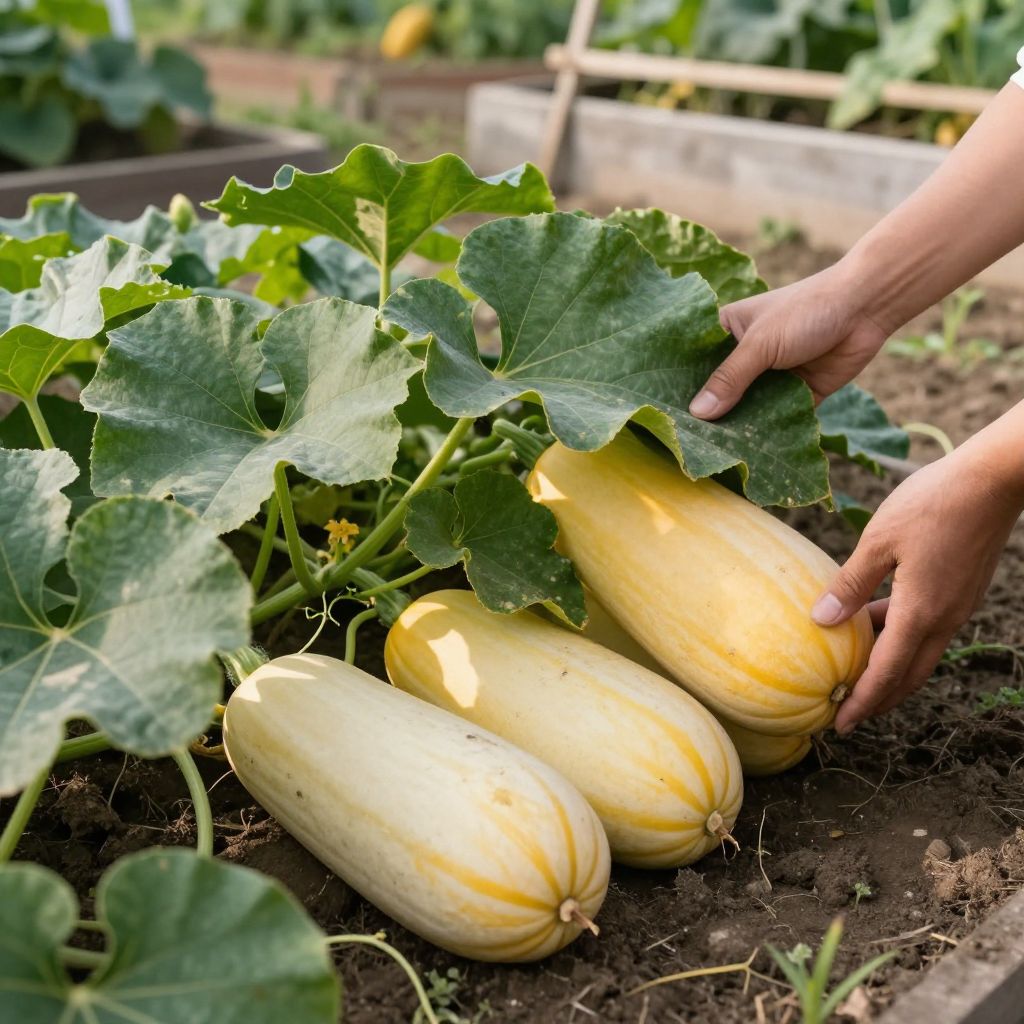
Wondering when is spaghetti squash in season? The short answer is that it’s usually harvested in late summer through fall, then sold and stored through winter in many areas. The exact timing depends on your climate, planting date, and whether you’re buying it fresh from the garden, a farmers market, or storage.
If you’re growing it yourself, the key is not the calendar alone but the fruit’s maturity. Spaghetti squash is ready when the rind is hard, the skin has turned deep yellow to golden, and the vine is starting to die back.
When is spaghetti squash in season?
Spaghetti squash is typically in season from late summer into fall, with peak harvest often from September through October in many temperate climates. In warm regions, it may mature earlier. Because it stores well, you can often find good-quality squash through winter if it was cured and kept cool.
How to tell when spaghetti squash is ready to harvest
Don’t rely on size alone. Spaghetti squash can be large before it is fully mature, and an under-ripe squash won’t have the best texture or flavor.
Signs of maturity
- Color: The skin changes from pale green to yellow or golden yellow, depending on the variety.
- Rind hardness: You should not be able to dent the skin easily with a fingernail.
- Stem: The stem begins to dry and turn corky.
- Vine decline: The plant often starts to yellow and die back as fruits finish ripening.
If frost is coming and the squash is close to mature, harvest it anyway. A light frost can damage the fruit, even if the vine is still green.
How to harvest correctly
- Use clean pruning shears or a sharp knife.
- Cut the stem, leaving 1 to 2 inches attached to the fruit.
- Avoid twisting or yanking the squash off the vine.
- Handle it gently to prevent bruising or stem damage.
Keep in mind that a damaged stem shortens storage life. A good stem is one of the best signs that your squash will keep well.
Growing season timing from planting to harvest
Spaghetti squash is a warm-season crop that needs a long growing period, usually about 90 to 110 days from sowing to harvest, depending on the variety and growing conditions. Start only after frost danger has passed and the soil has warmed.
When to plant
- Direct sow outdoors: After the last frost date, when soil is at least about 60°F and warming steadily.
- Start indoors: 2 to 4 weeks before transplanting if your season is short, but avoid overgrown seedlings.
- Transplant carefully: Move seedlings out after nights are reliably warm and the soil is workable.
In cooler climates, starting indoors can help you reach harvest before fall frost. In warmer climates, direct sowing often works well and avoids transplant shock.
What affects harvest timing
- Temperature: Warm weather speeds growth; cool spells slow it down.
- Sunlight: Full sun supports faster flowering and fruit set.
- Soil fertility: Rich, well-drained soil helps vines grow steadily.
- Water consistency: Irregular watering can reduce fruit quality and slow development.
- Pollination: Poor pollination can mean misshapen fruit or no fruit at all.
Best growing conditions for spaghetti squash
Healthy plants produce better-tasting squash and more reliable harvests. Give the vines space, warmth, and steady moisture without soggy soil.
Sun, soil, and spacing
- Sunlight: Full sun, ideally 6 to 8 hours or more per day.
- Soil: Loose, fertile, and well-drained.
- Organic matter: Mix in compost before planting to improve structure and nutrient availability.
- Spacing: Give vines room to spread, or train them on a sturdy trellis if space is limited.
For container growing, choose a very large container and a compact support system if you plan to trellis the vine. Containers dry out faster, so they need closer attention than in-ground beds.
Watering and mulch
Water deeply so moisture reaches the root zone, then let the top layer of soil begin to dry slightly before watering again. Mulch helps stabilize soil moisture and reduces weed competition.
Avoid wetting the foliage late in the day if possible. Damp leaves can encourage fungal problems, especially in humid weather.
How to get a better spaghetti squash harvest
Good harvest timing starts with good vine care. A few simple habits can make a big difference in how many squash mature before cold weather arrives.
Practical care steps
- Prepare the bed with compost before planting.
- Keep weeds down while vines are young.
- Water consistently during flowering and fruit development.
- Encourage pollinators by avoiding broad-spectrum insecticides and growing nearby flowers if appropriate.
- Check vines weekly for pests and disease symptoms.
If your plant sets too many fruits late in the season, some may not fully mature before frost. In short-season areas, it can help to limit the number of fruits per vine so the plant can finish them well.
Should you prune spaghetti squash vines?
Light pruning can be useful, but it should be done carefully. Removing too much foliage reduces the plant’s ability to feed ripening fruit.
- Remove only dead, diseased, or badly damaged leaves.
- In a small garden, you can guide vines away from walkways or competing plants.
- Don’t cut healthy leaves unless the vine is overcrowding other crops and you understand the tradeoff.
Common pests and diseases that affect timing
Pests and disease can slow growth, reduce fruit set, and delay harvest. Catching problems early helps the plant keep producing through the season.
Common pests
- Squash bugs: They weaken vines and can cause wilting.
- Cucumber beetles: They chew leaves and can spread disease.
- Squash vine borers: They can suddenly wilt a healthy-looking plant.
Check the undersides of leaves and the base of stems regularly. If you see eggs, pests, or sudden wilting, act quickly before the plant declines further.
Common diseases
- Powdery mildew: White coating on leaves, often later in the season.
- Downy mildew: Yellowing and leaf decline in humid conditions.
- Root rot: Often linked to poor drainage or overwatering.
To reduce disease pressure, space plants well, water at the base, and avoid letting vines sit in constantly wet soil. Good airflow is especially important in humid climates.
How to store spaghetti squash after harvest
One reason spaghetti squash feels “in season” for so long is that it stores well after harvest. Proper curing and storage can extend your eating window well beyond the garden season.
Curing and storage basics
- Let harvested squash cure in a warm, dry, airy place for about 1 to 2 weeks if conditions allow.
- Store in a cool, dry location with good airflow.
- Keep squash off damp floors and away from direct sun.
- Check regularly for soft spots, mold, or damaged stems.
Do not wash the squash before storage unless it is dirty and you dry it thoroughly. Excess moisture can shorten shelf life.
When to buy spaghetti squash if you’re not growing it
If you’re shopping rather than harvesting, the best time to find fresh local spaghetti squash is usually during fall harvest season. Farmers markets and farm stands often offer the freshest squash first, while grocery stores may carry stored squash later into winter.
Choose squash that feels heavy for its size, has firm skin, and shows no soft spots or cuts. A dull, hard rind is usually a better sign than a shiny, immature one.
Common mistakes to avoid
- Harvesting too early because the squash is large enough.
- Waiting too long after frost warnings.
- Pulling the fruit off the vine instead of cutting it cleanly.
- Overwatering in poorly drained soil.
- Letting vines become overcrowded and disease-prone.
These mistakes often lead to poor flavor, shorter storage life, or fruit that never fully develops its characteristic stringy flesh.
Conclusion
When is spaghetti squash in season? For most gardeners, it’s a late-summer to fall crop, with the best harvest window arriving when the rind is hard and the fruit is fully colored. Watch the plant, not just the calendar, and harvest before frost if needed. If you want more seasonal growing guidance, explore related vegetable gardening tips and fall garden care advice.