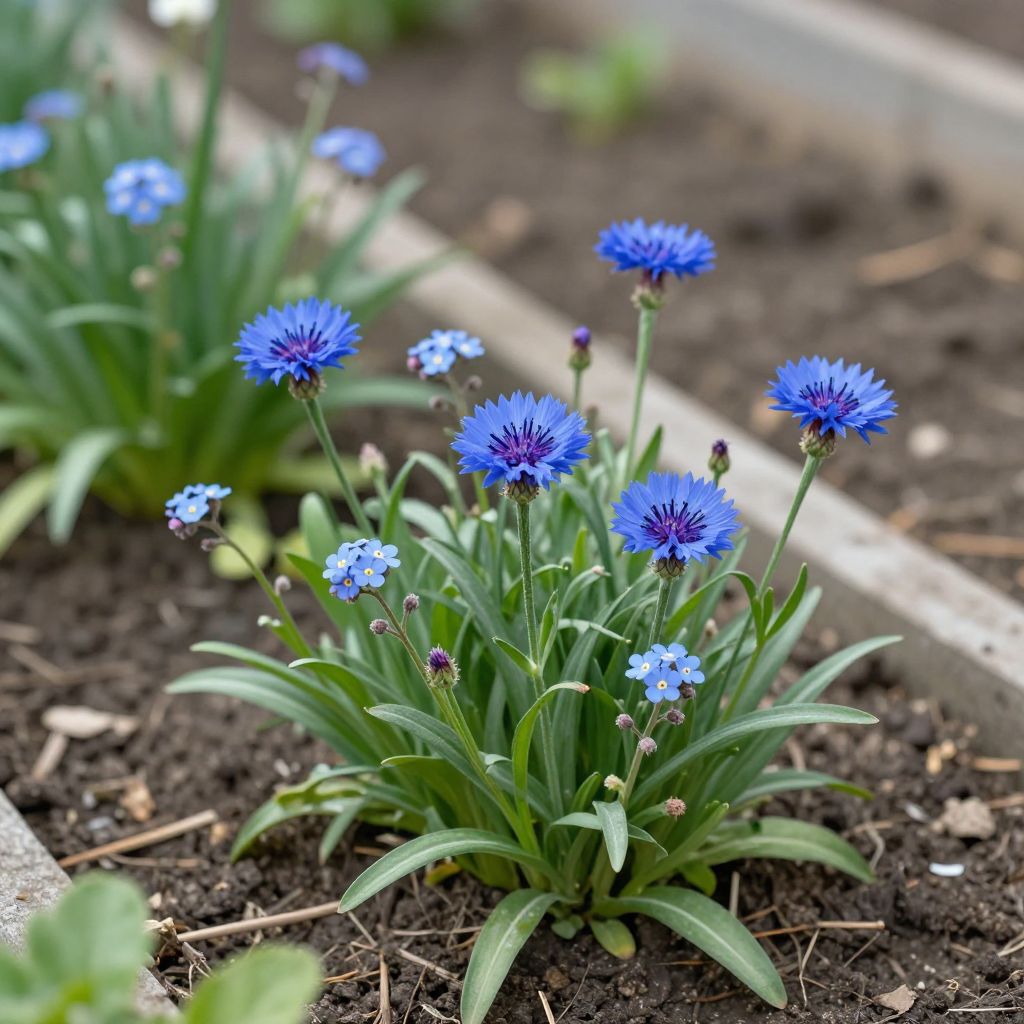
Wondering what flowers are blue and how to grow them successfully? Blue flowers can bring cool contrast, calm color, and real depth to a garden, but the best choice depends on your climate, soil, sun, and whether you want annuals, perennials, bulbs, or shrubs.
Some blue blooms are true blue, while others lean lavender, violet, or silvery blue. With the right planting site and care, you can enjoy reliable blue color from spring through fall in beds, borders, containers, and cutting gardens.
What flowers are blue?
Many flowers can appear blue, including hydrangea, delphinium, lupine, cornflower, salvia, nigella, forget-me-not, morning glory, balloon flower, and bluebell. The most reliable blue color usually comes from choosing naturally blue-flowering species and matching them to the right light, soil, and moisture conditions.
Best blue flowers for gardens
If you want dependable blue flowers, start with plants that are known for blue tones rather than relying on color-changing varieties. Some blue flowers are annuals, others are perennials, and a few are bulbs or shrubs.
Annual blue flowers
- Cornflower (Centaurea cyanus) – classic bright blue, easy from seed, good for cutting.
- Love-in-a-mist (Nigella damascena) – soft blue blooms with airy foliage and decorative seed pods.
- Morning glory (Ipomoea tricolor and related species) – fast-growing climber with blue flowers in full sun.
- Blue lobelia (Lobelia erinus) – useful for edging, containers, and hanging baskets.
Perennial blue flowers
- Delphinium (Delphinium spp.) – tall spikes in clear blue, best in cool climates.
- Lupine (Lupinus spp.) – spires of blue flowers, often best in well-drained soil.
- Salvia (Salvia spp.) – many varieties offer blue to blue-purple blooms and long flowering periods.
- Balloon flower (Platycodon grandiflorus) – buds puff up before opening into starry blue flowers.
- Forget-me-not (Myosotis spp.) – small blue flowers for cool, moist spots and woodland-style planting.
Bulbs and spring bloomers
- Grape hyacinth (Muscari spp.) – compact blue spring flowers for borders and naturalizing.
- Bluebell (Hyacinthoides spp.) – graceful spring flowers in partial shade.
- Scilla (Scilla spp.) – small, early blue blooms that work well in drifts.
Shrubs and special cases
- Hydrangea (Hydrangea macrophylla) – can produce blue flowers in acidic soil, but color depends on soil chemistry.
- Caryopteris (Caryopteris spp.) – late-season blue flowers that attract pollinators.
How to choose the right blue flower for your space
The best blue flower for your garden is the one that fits your growing conditions. Sun exposure, soil drainage, and summer heat matter more than flower color alone.
- Full sun: cornflower, morning glory, salvia, caryopteris, many lupines.
- Partial shade: forget-me-not, bluebell, some hydrangeas, blue lobelia in cooler regions.
- Moist soil: forget-me-not, some hydrangeas, bluebells.
- Dry, well-drained soil: salvia, caryopteris, grape hyacinth, many lupines once established.
- Containers: lobelia, dwarf salvia, compact morning glory on a trellis, dwarf hydrangea in large pots.
If your garden gets intense afternoon heat, choose blue flowers that tolerate warmth and avoid cool-season plants that fade or struggle in midsummer. If your soil stays wet, focus on drainage first, because many blue-flowering plants dislike soggy roots.
Planting blue flowers successfully
Good planting starts with the right site and soil preparation. Most blue flowers do best in soil that is loose, fertile, and drains well, though some woodland and moisture-loving types prefer evenly moist conditions.
Step-by-step planting guide
- Choose a site based on the plant’s sun needs.
- Clear weeds and loosen the soil to a depth of about 8 to 12 inches where appropriate.
- Mix in compost if your soil is poor, compacted, or low in organic matter.
- Check drainage by watering the area and seeing whether water soaks in rather than pooling.
- Plant at the same depth the plant was growing in its pot, unless the plant type calls for otherwise.
- Water thoroughly after planting to settle the soil around the roots.
- Mulch lightly to help conserve moisture and suppress weeds, keeping mulch away from stems and crowns.
For seeds, follow the packet directions for sowing depth and spacing. Some blue flowers, such as cornflower and nigella, are easy to direct sow, while others, such as delphinium or lobelia, are often started indoors or purchased as transplants.
Soil and compost tips
- Add compost to improve structure and water retention in sandy soil.
- Use compost carefully in heavy clay soil; the main goal is to improve drainage, not just add fertility.
- Avoid overfeeding nitrogen, which can produce leafy growth with fewer flowers.
- For hydrangeas, soil pH can affect bloom color, but results vary by cultivar and soil conditions.
Light, water, and feeding needs
Blue flowers vary widely, but most bloom best with enough light to fuel flowering and enough water to prevent stress. Overwatering is a common mistake, especially in containers and clay soil.
Sunlight
Most blue-flowering plants need at least 6 hours of sun for strong blooming. Shade-tolerant types still need bright light, especially in cooler climates where morning sun helps dry foliage and reduce disease.
Watering
- Water newly planted flowers regularly until roots establish.
- After establishment, water based on weather, soil type, and plant needs rather than a fixed schedule.
- Water deeply and less often when possible, so roots grow downward.
- Keep foliage dry when you can, especially for plants prone to mildew or leaf spot.
Containers dry out faster than garden beds, so potted blue flowers may need more frequent watering during warm, windy weather. Check the soil with your finger; if the top inch is dry, many container plants are ready for water.
Feeding
Use a balanced, moderate fertilizer only if your soil is poor or your plants show weak growth. Too much fertilizer can reduce flowering, especially in annuals and perennials that prefer leaner soil.
Pruning, deadheading, and seasonal care
Regular maintenance keeps blue flowers blooming longer and looking tidy. The exact approach depends on the plant, but deadheading and light pruning often make a big difference.
- Deadhead annuals such as cornflower and lobelia to encourage more flowers.
- Cut back spent stems on many perennials after flowering to keep plants neat.
- Stake tall plants like delphinium before they flop in wind or rain.
- Trim lightly on bushier plants such as salvia if they become leggy.
Some spring bulbs and self-seeding flowers should be left to die back naturally so they can store energy or drop seed. If you are unsure, wait until the foliage yellows before removing it.
Common pests and diseases
Blue flowers are not immune to garden problems. The most common issues are usually linked to poor airflow, too much moisture, or stressed plants.
Typical problems
- Powdery mildew – often affects salvia, phlox-like plants, and crowded perennials; improve airflow and avoid overhead watering.
- Root rot – caused by poorly drained soil or overwatering; replant in better-drained conditions.
- Aphids – may cluster on tender growth; rinse off with water or use gentle control methods if needed.
- Slugs and snails – can damage seedlings and low-growing flowers, especially in damp weather.
- Spider mites – more common in hot, dry conditions, especially on container plants.
Healthy spacing, clean tools, and good watering habits prevent many problems before they start. If a plant keeps failing in one spot, the issue may be the site rather than the flower itself.
How to propagate blue flowers
Propagation depends on the plant. Some blue flowers are easy from seed, while others are better divided or grown from cuttings.
- From seed: cornflower, nigella, forget-me-not, and many annuals.
- By division: some perennials, such as certain irises or established clumps of bluebells where appropriate and legal.
- From cuttings: some shrubs and tender perennials, including caryopteris in suitable conditions.
When starting from seed, keep the seedbed evenly moist but not soggy. If seedlings become crowded, thin them early so each plant has room to develop strong stems and better blooms.
Design ideas for using blue flowers
Blue flowers work especially well when paired with silver foliage, white blooms, or warm colors like yellow and orange. They can cool down a hot-looking border or create a calm, cohesive planting scheme.
- Use blue flowers in drifts for a natural look.
- Mix tall blue spikes with lower mounds for layered borders.
- Combine blue and white for a fresh spring display.
- Pair blue with chartreuse or yellow for stronger contrast.
- Use blue blooms near paths, patios, or entryways where their color can be appreciated up close.
For containers, choose one upright blue flower and one trailing companion, then make sure the pot has drainage holes. A well-sized container matters; cramped roots often lead to weak growth and fewer blooms.
Common mistakes to avoid
- Choosing a plant for its color without checking its light and soil needs.
- Planting in heavy, wet soil without improving drainage.
- Overfertilizing and getting lots of leaves but few flowers.
- Skipping deadheading on plants that bloom repeatedly.
- Overcrowding seedlings or transplants, which reduces airflow and increases disease.
- Expecting every “blue” flower to be the same shade; many are blue-violet or blue-lavender.
Conclusion
If you want to grow blue flowers successfully, start by matching the plant to your site, then focus on drainage, sunlight, and sensible watering. Choose a few reliable blue bloomers for your climate, prepare the soil well, and keep up with deadheading and basic maintenance for the best display.
For more practical garden planning, you may also want to read about how to choose the right flowers for shade and container gardening tips for healthy blooms.